What should you look for when choosing?
The term ‘digestive’ doesn’t tell you which type of toast you’re getting. For a holiday home, it’s better to choose based on portioning, nutritional information, what you’ll serve it with and the label.
| What to consider |
What to look for |
Who is this important to? |
| Portions and storage |
Compare the total weight and the number of individual packs. Also think about how you’ll keep an opened pack properly sealed. |
If I only need some of the toast for each meal, I don’t want to open the whole supply. Around 33% of consumers prioritise portion sizes and managing their supplies when making this choice. |
| Fibre |
Compare the fibre per 100 g on the pack and check the ingredients at the same time. Albert Heijn lists 9,7 g of fibre per 100 g for the Van der Meulen Melba toast wholemeal reviewed here. |
If toast is often part of my breakfast, I check the fibre content rather than relying on the word ‘wholemeal’. Around 27% of consumers put this comparison first. |
| Flavour and toppings |
Choose between a neutral base and a seasoned variety according to the toppings you plan to serve. Add toppings shortly before eating if keeping the toast crunchy matters. |
For nibbles with drinks, I want the toast to complement my toppings and to know when to prepare them. Around 20% of consumers prioritise flavour and how the toast works with toppings. |
| Label |
Check the allergens, possible traces and salt per 100 g for the exact variant. Don’t assume that iodised baker’s salt has been used just because the label says ‘salt’. |
If someone in my group needs to avoid allergens, I want to know what’s in the toast before serving it. Checking the label is the top priority for around 20% of consumers. |
Toast products at Joybuy
These melba toast and rice toast options could be handy for stocking up at your holiday home. Compare the type of toast and pack size, and check the packaging of your chosen product for allergen information.
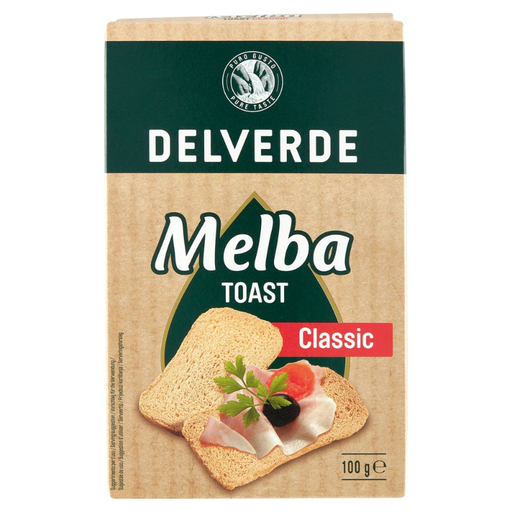 Image unavailable
Delverde Classic Melba Toast, 100 g
Plain melba toast for anyone looking for a neutral base to pair with different toppings.
If you have allergies, check the current label, especially the information about wheat, barley and possible traces of sesame, soya and mustard. Check the pack for fibre and portion information if these are important to your choice.
View at Joybuy
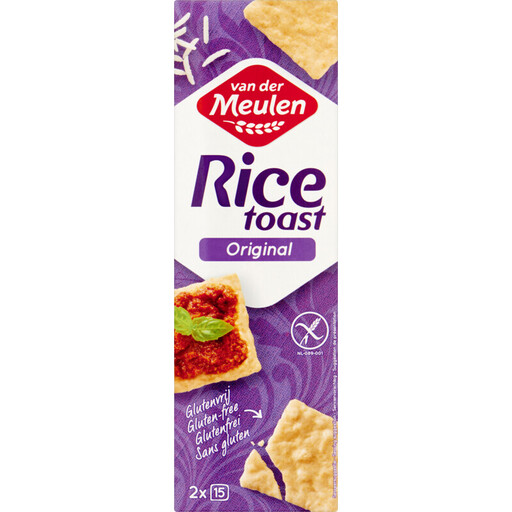 Image unavailable
Van Der Meulen Rice Toast Natural, 65 g
Rice toast for anyone considering a different type of toast alongside melba toast for their stay; it isn’t wholemeal melba toast.
Before serving, check the packaging to see whether sesame and soya are listed as ingredients or possible traces. Compare the nutritional information if fibre is an important factor in your choice.
View at Joybuy
Frequently asked questions
How should I store opened toast in a holiday home?
Store opened toast somewhere cool, dry and dark, in a tightly sealed pack. The Netherlands Nutrition Centre recommends keeping toast in a kitchen cupboard for up to one month. Check the packaging too, and look out for softening, a stale smell or a loss of flavour.
Can I tell from the word ‘salt’ whether toast contains iodine?
No. ‘Salt’ doesn’t confirm that iodised baker’s salt has been used. According to the Netherlands Nutrition Centre, bakers don’t always use baker’s salt. For a specific toast product, check the information on the packaging or ask the manufacturer.
Which allergens should I check in these types of toast?
Check the exact variant for cereals containing gluten and, depending on the product, soya, sesame and egg, among other allergens. Albert Heijn lists soya in the plain, wholemeal and organic melba toast reviewed here, and sesame in the wholemeal and organic varieties. The Haust Krokant Toast reviewed here contains egg and may contain traces of milk, sesame and oats, among other allergens. Always base your choice on the current label.


