
Hosting a spread with a range of toppings
If you want the toppings, such as salmon, cheese or egg, to take centre stage, plain Melba toast offers a subtle base. Choose a variety with grains or sesame when its flavour complements the toppings.


If you're serving a range of toppings, plain Melba toast makes a versatile base. Choose multigrain if the flavour of the grains and the fibre content on the pack matter to you, or organic sesame toast if you want a sesame flavour and organic production. Whichever you choose, check that the ingredients, allergens and salt content suit your guests and the rest of the lunch.
If you want the toppings, such as salmon, cheese or egg, to take centre stage, plain Melba toast offers a subtle base. Choose a variety with grains or sesame when its flavour complements the toppings.
If you're comparing several types of toast for one table, check the fibre, salt, ingredients and pack size on each pack. The nutritional values and allergens listed vary between the plain, multigrain and sesame varieties reviewed.
Before buying, check the allergens and any possible traces listed on the current packaging. Wheat, soya and sesame can appear differently across toast varieties, so don't rely on the product name alone.
First, decide whether the toast should simply complement the toppings or add flavour of its own. Then compare the packaging information with your guests’ needs and the amount of toast you plan to serve.
Choose it when: you're serving a range of toppings and want toast with a subtle flavour.
The trade-off: it doesn't have the pronounced grain or sesame flavour of the other varieties.
Choose it when: you want a more pronounced grain flavour; Jumbo lists 7.5 g of fibre per 100 g for Van der Meulen Melba Meergranen Toast.
The trade-off: the grains and seeds give the toast more character, while the ingredients list calls for extra attention if allergies are a concern.
Choose it when: organic production and sesame suit your planned toppings; Jumbo lists 7% sesame seeds for the Van der Meulen variety reviewed.
The trade-off: the sesame flavour makes this toast less neutral, and if anyone has a sesame allergy, you must check the label separately.
| What to consider | What to check when buying | Who it matters most to |
|---|---|---|
| Pairing with toppings | Compare the flavourings and seeds with the toppings you plan to serve. | If I'm serving a range of toppings, I want the toast to complement their flavours rather than overpower them. Around 27% of consumers say pairing with toppings is their top priority. |
| Allergens and ingredients | Read the ingredients list and any warnings about possible traces on the pack you're buying. | When guests have allergies, I want to know exactly what warnings are on the label before serving. Around 33% of consumers put this check first. |
| Fibre, salt and production method | Compare fibre and salt per 100 g; consider an organic certification separately from the nutritional value. | If I want to compare toast by its nutritional information or organic production method, I need to compare the details on the packs I've chosen. Around 27% of consumers put this consideration first. |
| Pack size and availability | Choose a pack size that suits the number of guests and check where the product is available. | If I'm putting several types of toast on the table, I don't want to open more packs than necessary. Around 13% of consumers put pack size and availability first. |
An organic certification describes the production method; it doesn't automatically mean the product has less salt or is suitable for people with allergies. According to Jumbo, the organic sesame toast reviewed contains 2.1 g of salt per 100 g and includes sesame.
Compare the nutritional information and allergens on the exact pack, even if organic production is an important factor in your choice.
Multigrain and sesame toast have their own flavour and texture. They may work well with some toppings, but can leave less room for the flavour of subtler ones.
Use plain toast as a base for a range of toppings, and add a second variety if you want to serve a particular flavour combination.
Plain Melba toast can also contain wheat, barley or soya. The Netherlands Food and Consumer Product Safety Authority explains how allergens must be clearly identified on the labels of prepacked foods.
Read the ingredients and warnings on the pack you actually buy, and check them again before serving your guests.
The packs reviewed come in different sizes. A larger pack may suit a bigger gathering, while smaller packs can be more convenient if you want to serve several varieties.
Decide in advance how many types you'll serve, and store any opened toast in an airtight container in a dry place.
Opened toast that you don't use can go soft and end up being wasted.
Melba toast in plain, multigrain and organic sesame varieties.
Own-brand plain Melba toast for lunches with a range of toppings.
As well as listing Van der Meulen Melba toast, Jumbo has its own Melba toast with tomato and basil.
Plain Melba toast in a larger pack.
An alternative cracker for anyone looking to serve something other than Melba toast.
These Joybuy products suit anyone choosing Melba toast as a base for a range of toppings. Compare the shape and pack size, and check the current packaging if ingredients or allergens affect your choice.
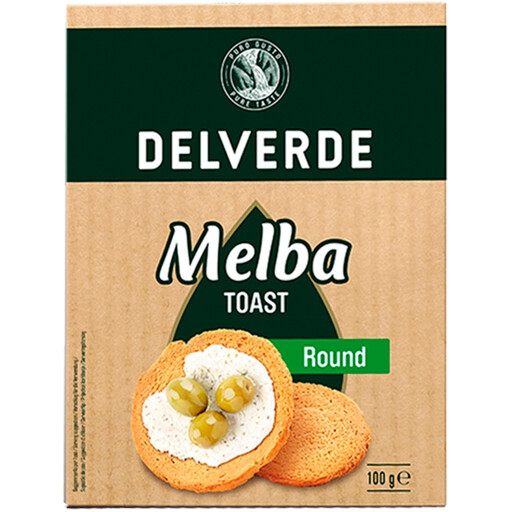 Image unavailable
An option if you want to serve round Melba toast with a range of toppings.
100 g pack. If you have allergies, check the ingredients and warnings on the current packaging.
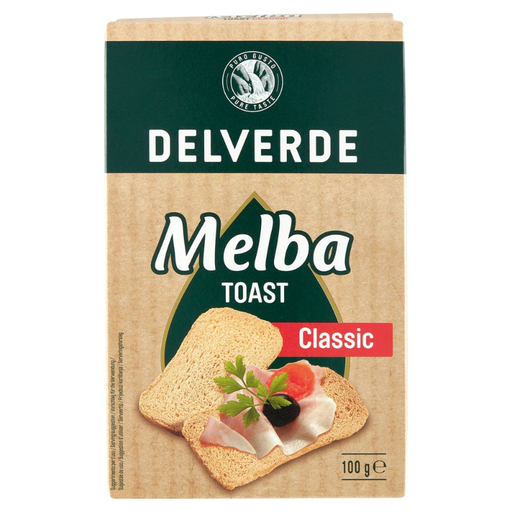 Image unavailable
A Melba toast option for serving with a range of toppings at Easter lunch.
100 g pack. If any guests have allergies, read the label on the pack you plan to serve.
No. Organic production on its own tells you nothing about the salt content. Jumbo lists 2.1 g of salt per 100 g for the Van der Meulen organic sesame toast reviewed; for your own lunch, compare the nutritional information on the exact pack.
Yes, especially if you're serving guests with allergies. Plain Melba toast may contain wheat, barley and soya, or carry warnings about possible traces. Always check the current packaging rather than relying on the word ‘plain’ in the product name.
No, you can't assume that all toast is made with iodised baker’s salt. According to the Netherlands Nutrition Centre, bakers aren't required to use baker’s salt. Check the ingredients list or ask the baker which salt they use if this matters to your choice.
Store opened Melba toast in an airtight container in a dry place. Albert Heijn recommends using a sealed tin for its plain variety after opening; only add moist toppings shortly before serving.
Compare the listed amount of salt per 100 g and consider how much toast you'll actually serve. Remember to include the salt in toppings and spreads when assessing the whole lunch.