
Parents making savoury bites
If you want to top toast yourself, you’ll need a neutral base for your chosen topping rather than a biscuit to serve on its own.


Choose plain melba toast if you want to make small savoury bites with your own toppings. A digestive is a sweet biscuit to serve on its own, not a substitute for toast. Before a children’s party, ask about allergies and any school or after-school club rules, and check the ingredients and allergen information on the pack you buy.
If you want to top toast yourself, you’ll need a neutral base for your chosen topping rather than a biscuit to serve on its own.
If you’re handing out food to several children, ask in advance about allergies and foods they don’t eat. Also check whether the school or after-school club has rules about treats, as advised by the Netherlands Nutrition Centre.
If you’re after a ready-to-eat sweet treat with no toppings, a digestive is suited to a different way of serving than melba toast. Also consider the portion size.
First decide whether you want to serve topped toast or biscuits on their own. Then choose the right pack for the children and, if you’re taking treats to school or an after-school club, check the rules at that location.
| What to consider | What to check when buying | Who it matters most to |
|---|---|---|
| Allergens and group rules | Ask about allergies and dietary requirements, and read the allergen information on the exact pack. Ask the school or after-school club about its rules on treats. | If I’m sharing food with a group of children, I want to know in advance whether everyone can eat it and whether it’s allowed. For around 40% of consumers, making these checks comes first. |
| A base for savoury toppings | Check that it’s plain melba toast, and look at the size, number of pieces and storage instructions for the pack you choose. | If you’re making small topped bites yourself, you mainly need a toast base that goes well with your toppings. This is the top priority for around 30% of consumers. |
| Sweet biscuits and portions | Check the type of product, the number of biscuits and the nutritional information per 100 g and per portion. | If I want to hand out something sweet with no preparation, the main thing is whether one biscuit makes a suitable treat. Around 30% of consumers prioritise this. |
Albert Heijn describes AH Digestive as a biscuit and AH Melba toast naturel as a base for toppings. They’re different products for different kinds of snacks.
Before comparing packs, decide whether you want to serve sweet biscuits on their own or toast with your own toppings.
Even plain toast may contain ingredients or traces that matter to a child with an allergy. The Netherlands Nutrition Centre says that allergen information on the label is important if you have a food allergy.
Ask about allergies in advance and check the ingredients and warnings on the exact pack, even if you’ve bought another variety from the same brand before.
According to Jumbo’s product description, Haust Krokant Toast is coated with seasoned breadcrumbs. Its flavour and ingredients mean you’ll need to consider it differently from plain melba toast.
Check that the variety suits your toppings and the group, and read the current label before serving it.
The Netherlands Nutrition Centre notes that venues may have rules about treats; some celebrate without food treats.
Before buying, ask whether you’re allowed to hand out food and what rules apply to its contents and size.
If the venue doesn’t allow food treats, you may be left with packs you’ve already bought and can’t use.
Compare the specific toast or biscuit variety, not just the brand name: ingredients and nutritional information can vary from product to product.
Albert Heijn sells both AH Melba toast naturel and AH Digestive. These products show the difference between a toast base for toppings and a sweet biscuit.
The Van der Meulen Melba toast naturel described by Albert Heijn is an option if you’re looking for plain toast as a base for toppings.
According to Jumbo’s product description, Haust Krokant Toast is coated with seasoned breadcrumbs.
This selection includes melba toast for topped bites, a digestive to serve on its own and rice toast as another type of toast. Choose the type of product first; if you’re catering for a group, then check the current pack for portion sizes and allergens.
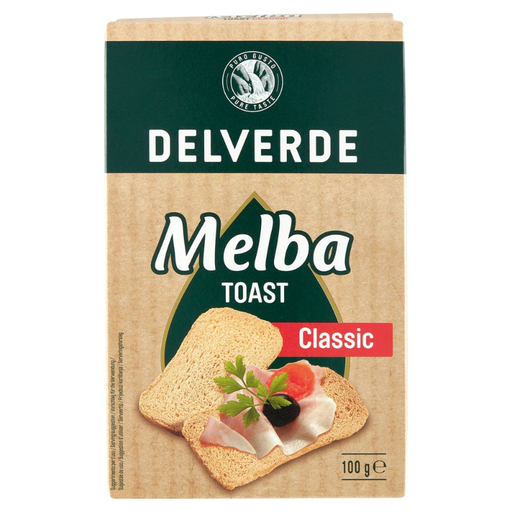 Image unavailable
Melba toast to consider if you want to make your own small topped bites.
100 g pack. Before serving, check the allergens and how many pieces of toast you’ll need.
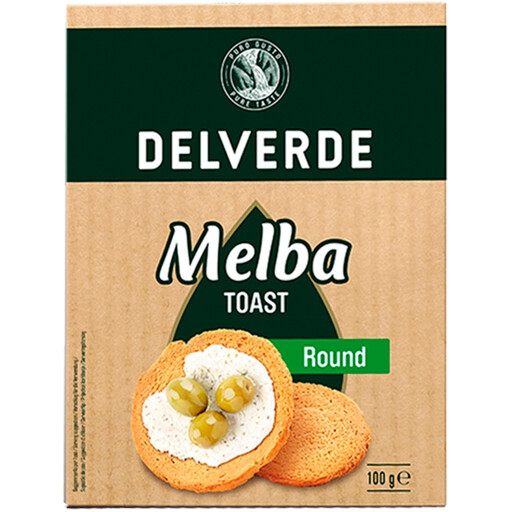 Image unavailable
Round melba toast is an option if you want to serve topped toast.
100 g pack. Check the size and number of pieces before planning portions for the group.
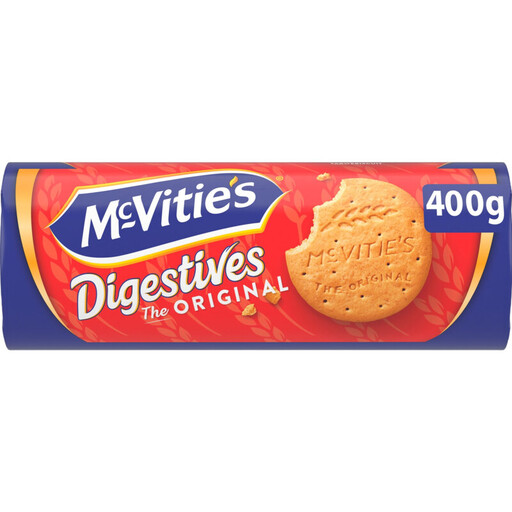 Image unavailable
A digestive biscuit for anyone who wants to hand out a sweet treat instead of making topped toast.
400 g pack. Check the number of biscuits, portion size and allergens on the pack.
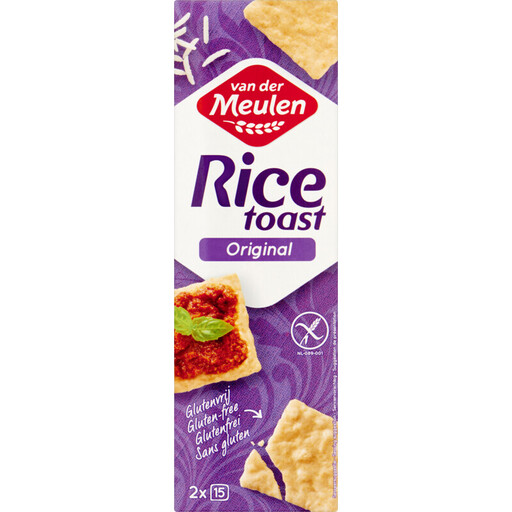 Image unavailable
Rice toast is a different type of product from the melba toast and digestive biscuits above; decide whether it suits the snack you have in mind.
65 g pack. If anyone has allergies, check the current ingredients and allergen information before serving this toast.
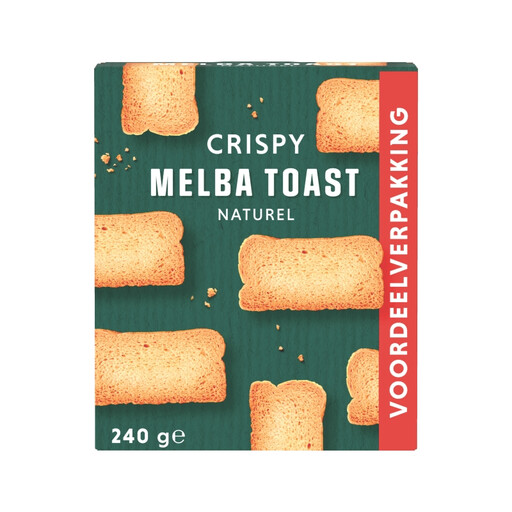 Image unavailable
Melba toast to consider for bites with your own toppings.
240 g pack. Check the number of pieces when planning portions, and if anyone has allergies, read the ingredients and allergen information on the current pack.
No. Albert Heijn sells AH Digestive as a biscuit, while AH Melba toast naturel is a base for toppings. Choose a digestive if you want a sweet biscuit to serve on its own, and melba toast if you’re making your own topped bites.
First ask about any allergies or dietary requirements in the group, then read the label on the exact pack. The Netherlands Nutrition Centre says allergen information is important if you have a food allergy, so don’t rely solely on a product name or a pack you’ve bought before.
Follow the storage instructions on the pack you’ve bought. For AH Melba toast naturel, Albert Heijn recommends storing the toast in a sealed tin after opening.
Yes. Before buying, ask what rules the venue has about food treats. The Netherlands Nutrition Centre points out that schools may have their own treat policies, and that some venues celebrate without food treats.