If you want a small, crisp base for toppings to serve alongside coffee and cake, plain melba toast is a good fit. Compare wholemeal and multigrain options if fibre content matters more to you. Melba toast consists of thin, toasted slices and is not the same as medium-sliced everyday bread. Check the nutritional information, ingredients and storage instructions on each pack.
Who is this choice relevant to?
Coffee drinkers looking for a neutral, crisp base
You want to serve a thin piece of toast with cake, one that also works with sweet or savoury toppings. Plain melba toast is well suited to that occasion; just don’t expect a slice of medium-sliced bread.
Shoppers comparing fibre content
You’re looking for crisp toast, so you’re comparing plain, wholemeal and multigrain options. Check the fibre per 100 g: the name of the grain variety alone won’t tell you how much fibre it contains.
Shoppers serving toast on different occasions
You want to use one pack for several coffee breaks or visits. The pack weight, any individual inner packs and the storage instructions after opening are practical points to compare.
What should you look for when choosing?
First decide whether you want a thin piece of toast for toppings or a larger slice of bread. If you’re comparing melba toast to serve with coffee and cake, flavour, nutritional information and packaging each give you a different reason to choose one variety over another.
| What to consider |
What to check |
Who it matters to |
| Neutral, thin toast |
Check whether it’s plain melba toast, and look at its shape and serving size. |
If I want the cake or toppings to provide the flavour, I’m looking for a small, crisp piece of toast to go with them. Around 40% of consumers would choose a neutral base as their main priority. |
| Fibre and grain type |
Compare fibre per 100 g and check which grains and other ingredients the variety contains. |
If I serve toast more often, I want to choose based on the stated fibre content rather than just the name ‘multigrain’. For around 30% of consumers, that would be their first consideration. |
| Packaging and storage |
Check the pack weight, any individual inner packs and the storage instructions after opening. |
When I’m entertaining or serving toast on different occasions, I want to know how to store it after opening. Around 30% of consumers would focus mainly on this. |
Common mistakes
-
Confusing melba toast with medium-sliced bread
Van der Meulen describes melba toast as bread cut into thin slices and then toasted. If you’re after a larger slice for everyday use, you could end up with a different size than you intended.
Before buying, check the product description, shape, packaging and number of pieces. If you need medium-sliced bread, look specifically for that.
-
Assuming wholemeal or multigrain contains less salt
The Van der Meulen wholemeal variety listed by Albert Heijn contains 1.9 g of salt per 100 g; Jumbo lists 1.5 g per 100 g for its multigrain variety. So the grain name alone doesn’t tell you the salt content.
Compare the fibre and salt per 100 g on the current packaging so you’re using the same basis for comparison.
-
Taking it for granted that toast contains iodine
According to the Netherlands Nutrition Centre, bread does not have to be made with baker’s salt. So you can’t tell from the product category ‘toast’ whether baker’s salt has been used.
Check the ingredients list for baker’s salt if that matters to your choice.
Brands to consider
Van der Meulen
The melba toast range includes plain, wholemeal and multigrain varieties for small, crisp servings.
- Albert Heijn lists 9.7 g of fibre per 100 g for Van der Meulen Melba toast wholemeal; Jumbo lists 7.5 g per 100 g for the multigrain variety.
- Ingredients vary by variety. Check the current packaging for grains, sesame, soya and any other allergens relevant to you.
Albert Heijn
According to Albert Heijn, AH Melba toast plain comes in a 240 g pack containing 12 packs of 6 pieces of toast.
- The individual inner packs can be handy if you want to serve some of the toast on different occasions.
- Albert Heijn lists 3.9 g of fibre and 1.93 g of salt per 100 g. Check the current nutritional information and ingredients list when you buy it, especially if you have allergies.
Sun Snacks
ALDI Netherlands lists Sun Snacks Melba Toast Naturel as a plain variety in a 240 g pack.
- A 240 g pack gives you a useful point of comparison if you’re looking for toast to serve on several occasions.
- Check the current packaging for ingredients, allergens and nutritional information before comparing this variety on those points.
Toast and crisp alternatives on Joybuy
These products are intended for a crisp snack with toppings to serve alongside coffee and cake. The melba toasts are thin varieties; Cracotte is a crisp alternative, not melba toast. None of these products is presented here as medium-sliced everyday bread.
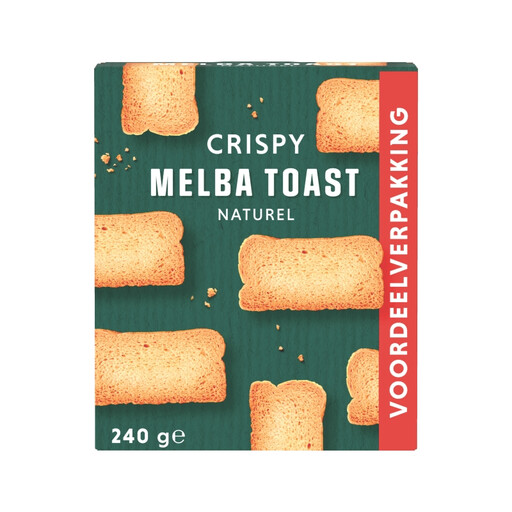 Image unavailable
Crispy Melba Toast – 240 g
An option if you’re looking for thin, crisp melba toast to serve with toppings.
Pack size: 240 g. The ingredients list and allergen section contain conflicting information. Check the current packaging carefully if allergens are important to your choice.
View on Joybuy
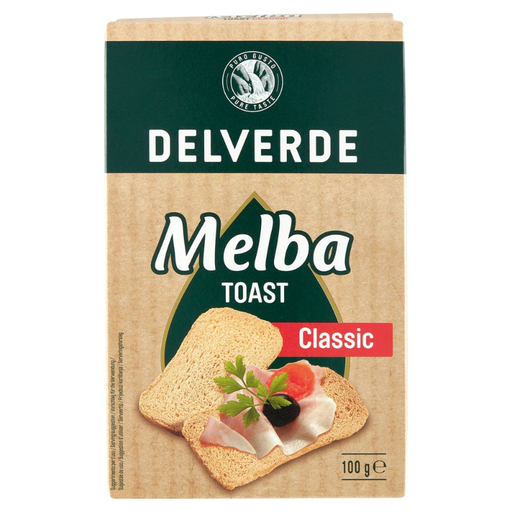 Image unavailable
Delverde Classic Melba Toast – 100 g
Melba toast for anyone looking for a small, crisp base for sweet or savoury toppings.
Pack size: 100 g. Check the packaging for ingredients and allergens; don’t expect it to be the size of a slice of medium-sliced bread.
View on Joybuy
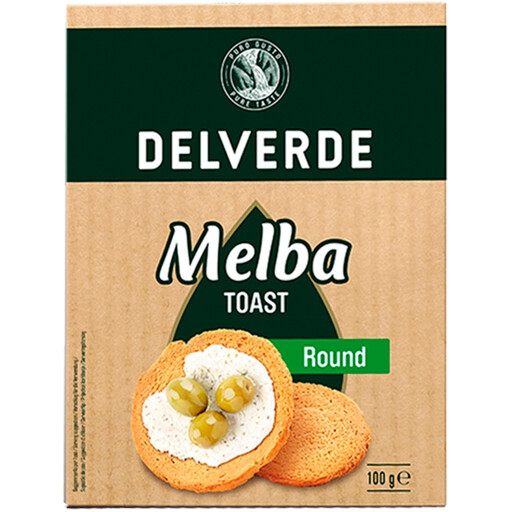 Image unavailable
Conimex Delverde Melba Toast Round – 100 g
The round shape works well for small pieces of toast with toppings, but not as a standard slice of bread.
Pack size: 100 g. Check the product image and ingredients if the shape or allergens matter for your occasion.
View on Joybuy
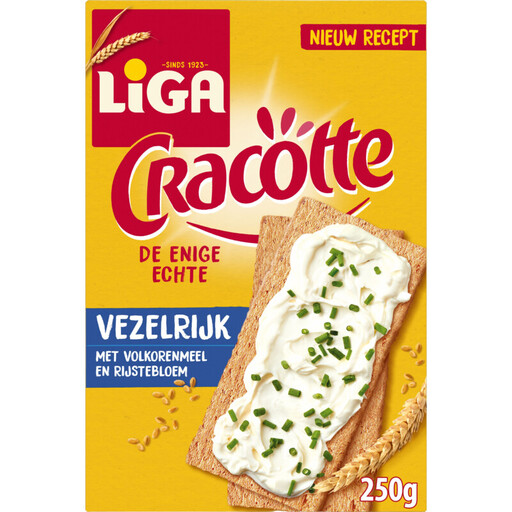 Image unavailable
Liga Cracotte high fiber – 250 g
A crisp Cracotte option if you’d like to consider a different base for toppings alongside melba toast.
Pack size: 250 g. This isn’t melba toast. Check the fibre per 100 g on the current nutrition table before comparing it with toast.
View on Joybuy
Frequently asked questions
Is melba toast the same as medium-sliced bread?
No. Jumbo describes Van der Meulen melba toast as bread cut into thin slices and then toasted until crisp. If you’re looking for a larger slice for everyday use, check the type of bread and slice thickness specifically.
Does multigrain melba toast always contain more fibre than wholemeal?
No, don’t go by the name alone. Albert Heijn lists 9.7 g of fibre per 100 g for Van der Meulen Melba toast wholemeal; Jumbo lists 7.5 g per 100 g for the multigrain variety. Compare the current nutritional information per 100 g on the packs you’re considering.
Does toast always contain iodine from baker’s salt?
No. The Netherlands Nutrition Centre says that using baker’s salt when baking is not compulsory. Check the ingredients list if you want to know whether baker’s salt has been used in a particular product.
What should I look for when checking allergens in melba toast?
Check the ingredients and allergen information on the current packaging for the exact variety. The plain, wholemeal and multigrain products reviewed contain different grains and other ingredients. The name of a variety is no substitute for checking the label.
How should I store melba toast after opening?
Follow the instructions on the packaging. Albert Heijn recommends storing its plain melba toast in a sealed tin after opening; check the storage instructions for any other product.


