
If you regularly have a savoury breakfast
You’re looking for a crunchy base you can enjoy regularly, so you consider more than just the flavour. You also check whether it’s labelled wholemeal and how much fibre it contains per 100 g.


Choose wholemeal melba toast if wholemeal ingredients and fibre are your priorities, but compare the salt content per 100 g too. Multigrain does not automatically mean fully wholemeal; plain melba toast makes a more neutral base for savoury toppings, while ingredients and allergens can vary between versions.
You’re looking for a crunchy base you can enjoy regularly, so you consider more than just the flavour. You also check whether it’s labelled wholemeal and how much fibre it contains per 100 g.
You want to know what the toast itself adds alongside your savoury topping. Comparing similar products per 100 g helps you assess differences in fibre and salt.
You may need to watch out for ingredients such as wheat, sesame or soya. In that case, the current ingredients and allergen information for the exact version is what matters, even if two products look similar.
This guide is about melba toast as a base for a savoury breakfast, not digestive biscuits. First check that the ingredients and allergens are suitable for you. Then compare wholemeal content, fibre and salt, and decide which flavour will go best with your toppings.
| What to consider | What to check before buying | Who it matters to |
|---|---|---|
| Wholemeal content and fibre | Look for a wholemeal label and compare fibre per 100 g. The word ‘multigrain’ on its own does not mean that all the flour used is wholemeal. | If I often have toast for breakfast, I want to know whether my choice is genuinely wholemeal and how much fibre it contains. This is the deciding factor for an estimated 31% of consumers. |
| Salt and nutritional information | Compare the salt content and other nutritional information per 100 g across similar toast products, rather than comparing serving sizes alone. | When I have a savoury topping, I also want to know what’s in the toast base. Around 31% of consumers prioritise comparing salt and nutritional information. |
| Ingredients and allergens | Read the current ingredients list and allergen information for the exact version, including any warnings about traces. | If an ingredient rules a product out for me, I need to be able to check whether this version is suitable first. This is the first thing an estimated 23% of consumers want to know before buying. |
| Flavour and practical use | Consider whether plain or flavoured toast will go with your toppings; also check the pack size and storage instructions. | When I want the topping to provide the flavour, I’m mainly looking for neutral toast that’s easy to use. For around 15% of consumers, this is the main reason for choosing between versions. |
Using several types of grain doesn’t mean that all the flour is wholemeal. For example, Van der Meulen Melba Multigrain Toast, listed by Jumbo, contains 45% wholemeal wheat flour.
If you want wholemeal toast, check the product description and ingredients instead of judging by its colour or the word ‘multigrain’.
A fibre claim doesn’t tell you how much salt the toast contains. The nutrition table lets you compare similar versions on the same basis.
Compare fibre and salt per 100 g, and read the ingredients before making your choice.
Plain, wholemeal and multigrain versions can contain different grains, seeds and allergens. Warnings about possible traces may also vary.
Always check the current packaging for the version you’re buying. If anything isn’t clear, ask the manufacturer to explain.
You can’t tell which salt has been used in a particular recipe just from the type of product.
If iodine content matters to your choice, check the ingredients or ask the manufacturer about the recipe for that version.
A range of melba toast that lets you compare options such as wholemeal and multigrain.
AH Plain Melba Toast is an option if you’re looking for a neutral base for savoury toppings.
Sun Snacks Plain Melba Toast is a plain melba toast in a 240 g pack, as listed by ALDI.
Lidl lists melba toast as well as a separate wholemeal cracker; a cracker is not the same product as melba toast.
Bolletje offers crackers as an alternative if you’re looking for something other than melba toast for a savoury breakfast.
This selection includes one plain melba toast to use as a base for toppings, plus three crackers for anyone who’d prefer a different product type. Check the nutritional information on the packaging if fibre, salt or allergens are important to your choice.
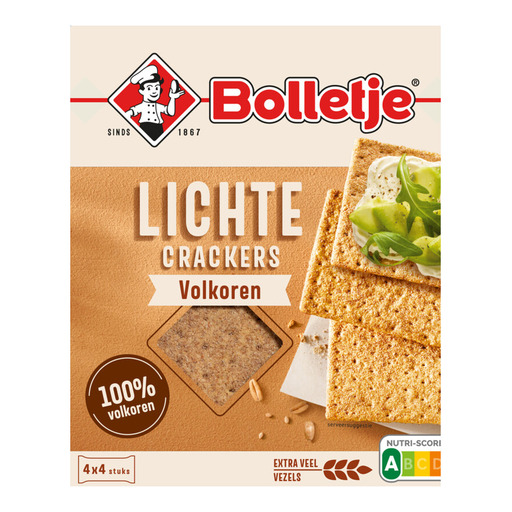 Image unavailable
A 190 g pack of crackers for anyone who’d like to try a different base for savoury toppings instead of melba toast. If you have an allergy, check the current information for ingredients including wheat, sesame and barley.
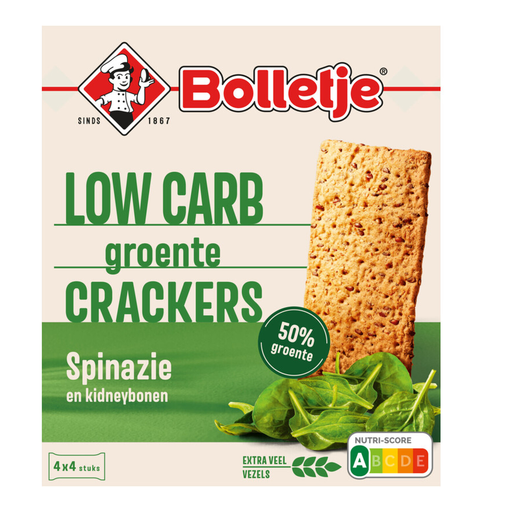 Image unavailable
Spinach crackers for anyone who wants the base to add flavour as well as the topping; don’t expect the neutral taste of melba toast. Check the current allergen information if wheat, sesame or possible traces are relevant to you.
 Image unavailable
A 265 g pack of crispbread as an alternative to melba toast at breakfast. Check the nutritional information and, if you have an allergy, look for ingredients including wheat, rye, barley and sesame in the current allergen information.
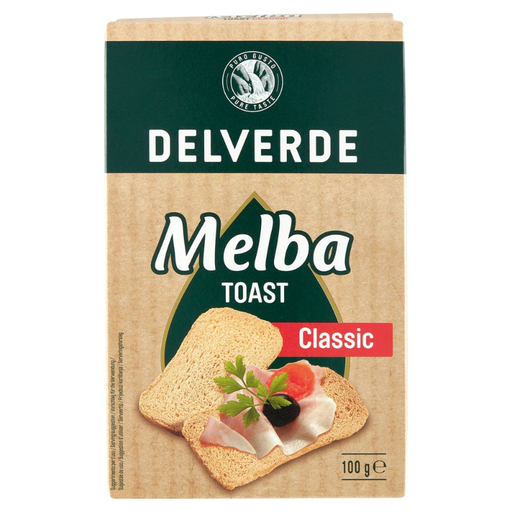 Image unavailable
Plain melba toast in a 100 g pack for anyone who wants their savoury toppings to provide the flavour. If fibre is important to your choice, compare the information on the current packaging, and check the allergen information.
No. ‘Multigrain’ and ‘wholemeal’ don’t mean the same thing. Van der Meulen Melba Multigrain Toast, listed by Jumbo, contains 45% wholemeal wheat flour. If you’re specifically looking for wholemeal toast, check the product description and ingredients.
Compare similar melba toast products per 100 g so that differences in serving size don’t affect the comparison. Voedingscentrum recommends comparing products per 100 g. For this choice, look at fibre and salt, and also read the ingredients and allergen information.
You can’t tell from the type of product alone. If iodine content matters to your purchase, check the ingredients for the specific version or ask the manufacturer which salt is used in the recipe.