If you’d also like to use the bread for everyday sandwiches after your Mother’s Day breakfast, sliced wholemeal bread is a sensible first choice: according to the Netherlands Nutrition Centre, it contains more fibre, vitamins and minerals than white bread. Choose the slice thickness to suit your fillings and everyone’s preferences, and check the bread itself if you’re looking for a medium slice. For a small gathering, buying half a loaf or freezing portions straight away can help reduce leftovers.
Who is this bread for?
Anyone who’ll still be eating bread after Mother’s Day
If you’re looking for bread for breakfast and lunches afterwards, first decide whether you want wholemeal. Then compare the slice thickness to find one that suits your fillings. The Netherlands Nutrition Centre highlights wholemeal bread for its fibre, vitamins and minerals.
Anyone who wants to prepare brunch quickly
If you want to butter and serve the sandwiches straight away, look for the word ‘sliced’ and check how thick the slices actually are. A product photo or the colour of the bread won’t tell you how it’s been sliced.
Smaller households
If you’re having breakfast with just a few people, compare a half loaf with a whole loaf that you can freeze in portions after buying. That way, you won’t need to use every slice within a few days.
What should you look for?
First, decide which type of bread will suit breakfast and how you’ll use it afterwards. Then check the actual slice thickness and how much bread you need.
Sliced wholemeal bread
Choose it if: you’d like to eat the bread after Mother’s Day too, and fibre matters to you.
Bear in mind: ‘wholemeal’ doesn’t tell you how thick the slices are, so check this separately.
Sliced brown bread
Choose it if: brown bread better suits everyone’s taste.
Bear in mind: brown colour doesn’t mean bread is wholemeal; check the product name and ingredients list.
Sliced white bread
Choose it if: you’d prefer light, soft sandwiches for breakfast.
Bear in mind: according to the Netherlands Nutrition Centre, white bread contains fewer nutrients than wholemeal bread.
| What to consider | What to check when buying | Who it matters to |
|---|
| Nutritional value |
Check whether ‘wholemeal’ appears in the product name; don’t go by colour or seeds alone. |
If I’m using the rest of the loaf for everyday lunches, I want to know what type of bread I’m buying first. Nutritional value is the top consideration for around 36% of consumers. |
| Slice thickness and fillings |
Check that the bread is sliced and look at the slices themselves; ‘medium-sliced’ doesn’t mean the same thing everywhere. |
If I want to serve breakfast straight away, I want slices that are easy to fill and hand round. Around 29% of consumers prioritise this convenience. |
| Quantity |
Compare half and whole loaves, and consider whether you can freeze any leftover slices straight away. |
For a small gathering, I don’t want to buy more bread than we can use or store. This is the main consideration for around 21% of consumers. |
| Ingredients |
Read the ingredients list and check for baker’s salt if that matters to your choice. |
If I’m specifically checking for baker’s salt or other ingredients, I want to be able to check before serving. This takes priority for around 14% of consumers. |
Common mistakes when choosing bread
-
Mistaking brown or multigrain bread for wholemeal
The colour, seeds or a rustic-sounding name won’t tell you whether bread is wholemeal. According to the Netherlands Nutrition Centre, wholemeal bread contains more fibre, vitamins and minerals than white bread.
Check the product name and, if needed, the ingredients list before choosing the slice thickness you want.
-
Assuming all bread contains baker’s salt
According to the Netherlands Nutrition Centre, using baker’s salt to make bread isn’t compulsory. So you can’t assume a product contains it simply because it’s bread.
Check the ingredients list, or ask which salt has been used if the bread is sold loose.
-
Buying a whole loaf without a plan for leftovers
If only a few people are joining you, you may have slices left over that won’t be used straight away.
Choose a half loaf if that’s enough, or freeze any leftover slices in portions as soon as you can.
Brands to compare
Albert Heijn
A place to compare different types of bread and sliced options for breakfast.
- Albert Heijn lists a sliced wholemeal option, among others.
- Check the slice thickness and current packaging of the loaf you choose.
Jumbo
For anyone looking to choose a loaf for Mother’s Day at Jumbo.
- Compare the type of bread, slice thickness and quantity across the products you find.
- Check the slice thickness of each individual loaf.
Lidl
For anyone who wants to look at wholemeal options at Lidl first.
- Lidl describes wholemeal products as being made from the whole grain.
- Check in store whether your chosen loaf is sliced and what the slice thickness is.
ALDI
For anyone considering fine wholemeal bread for breakfast.
- ALDI describes its Fine Wholemeal Loaf as sliced.
- The word ‘fine’ doesn’t automatically tell you whether the slices are the thickness you want.
PLUS
For anyone who wants to compare different wholemeal breads.
- PLUS lists Round Fine Wholemeal Loaf, among other options.
- Check the slice thickness and quantity of each individual product.
Dirk
For anyone who wants to choose between different types of bread at Dirk.
- Dirk lists wholemeal bread, white bread, multigrain bread and sourdough bread, among other options.
- Don’t choose a type of bread based on the photo alone; check the product’s slice thickness too.
Bread for a small breakfast on Joybuy
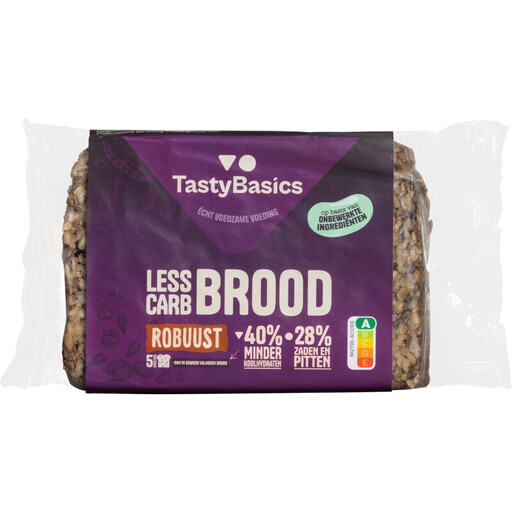
This product is particularly relevant if you’re looking for a set amount of bread for a small Mother’s Day breakfast. Check separately that the slice thickness and ingredients suit your plans.
 No image available
TastyBasics Rustic Bread, 5 pieces
For a small breakfast, you can compare the five pieces with the number of people you’re serving. Check the packaging for slice thickness and ingredients if these matter to your choice.
View on Joybuy
Frequently asked questions
Is medium-sliced bread more nutritious than finely or thickly sliced bread?
Slice thickness alone doesn’t determine whether bread is wholemeal. Compare the type of bread: according to the Netherlands Nutrition Centre, wholemeal bread contains more fibre, vitamins and minerals than white bread. Then choose the slice thickness to suit how you’ll use it.
Does bread always contain iodised baker’s salt?
No. According to the Netherlands Nutrition Centre, using baker’s salt isn’t compulsory. Check the ingredients list or ask which salt has been used if the bread is sold loose.
How should I store wholemeal bread left over after Mother’s Day?
Freeze any slices you won’t use soon in portions straight away. The Netherlands Nutrition Centre recommends keeping wholemeal bread in a kitchen cupboard for 2–4 days or in the freezer for 1–3 months. Always check the bread before eating it.
What should I check if a guest can’t eat certain ingredients?
Check the current ingredients and allergen information for the bread you’re serving. Recipes can vary; the Netherlands Nutrition Centre lists milk ingredients, egg and soya as examples of ingredients that may be found in bread improvers.


