
Anyone who fancies something crunchy later on
You’re looking for a small snack base you can eat as it is or add a topping to, without having to prepare a meal.


When choosing toast for a late-night snack, don’t rely on the ‘medium sliced’ label alone: the Dutch products reviewed don’t use it to indicate a comparable slice thickness. First decide which type of toast suits your snack, then compare the salt per 100 g, ingredients and allergens on the current packaging.
You’re looking for a small snack base you can eat as it is or add a topping to, without having to prepare a meal.
You want to compare the salt content of different toast products and take into account how much you eat.
Before buying, you need to know whether a toast product contains ingredients such as wheat, barley or soya, or carries a warning about possible traces.
First, choose a type of toast to suit your snack. Then compare the nutritional information and ingredients of the products you’re considering.
| What to consider | What to check when buying | Who it matters to |
|---|---|---|
| Shape and convenience | Check whether it’s Melba toast, rice toast or another type, and whether it works with your topping. | If I want a little something to eat late at night, I’m looking for a crunchy base that needs very little preparation. Convenience comes first for around 33% of consumers. |
| Salt | Compare the salt per 100 g and, where listed, check the amount per portion too. | For a savoury snack, I want to know how much salt comes from both the toast and my chosen topping. Around 25% of consumers give salt top priority. |
| Ingredients and allergens | Read the current ingredients and allergen information, including warnings about possible traces. | If I need to avoid certain ingredients, I want to be able to check the packaging before buying. For around 25% of consumers, this is their main concern. |
| Fibre and type of grain | Check whether the product is labelled ‘wholegrain’ and compare the fibre per 100 g. | If fibre matters more to me than just a crunchy texture, I look beyond the name ‘plain toast’. This is the main consideration for around 17% of consumers. |
Albert Heijn’s product information lists 0.01 g of salt per 100 g for Hollandia 100% Natural Toast and 1.93 g per 100 g for AH Melba Toast Naturel. So the flavour name alone doesn’t tell you enough to assess the salt content.
Compare the figures per 100 g and, if you’re having a savoury snack, remember to factor in the topping too.
Dutch product descriptions use terms such as Melba toast and crunchy toast; ‘medium sliced’ doesn’t indicate a comparable size across these products.
Check the product type and description. If you’re looking for thin toast slices, check whether the product is specifically described as Melba toast.
A short ingredients list doesn’t rule out allergens: for example, Albert Heijn lists wheat flour as an ingredient in Hollandia 100% Natural Toast. Other toast products may also contain barley or soya, or carry warnings about possible traces.
Check the current allergen information on the packaging when you buy, especially if you need to avoid an ingredient.
The 100% Natural Toast reviewed is a plain toast with a short ingredients list.
The Melba Toast Naturel reviewed is a thin, toasted snack that works well with a topping.
AH Melba Toast Naturel comes in a multipack for several snack occasions.
The Toast Naturel reviewed is a plain toast that can be used as a base for a topping.
The own-brand range includes crunchy plain toast and a flavour with green olive and basil.
These products are Melba toast and rice toast for a crunchy late-night snack, with or without a topping. Compare the packaging and current nutritional information for each product separately; their names don’t confirm a standard ‘medium sliced’ thickness.
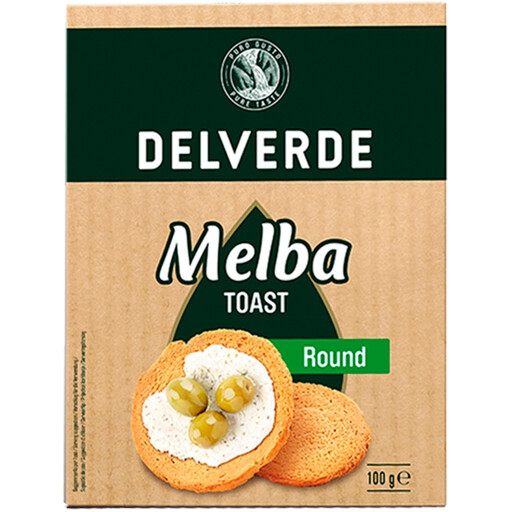 Image unavailable
Round Melba toast to consider for a small snack with a topping.
Check the label for salt per portion and allergen information if these are important to your choice.
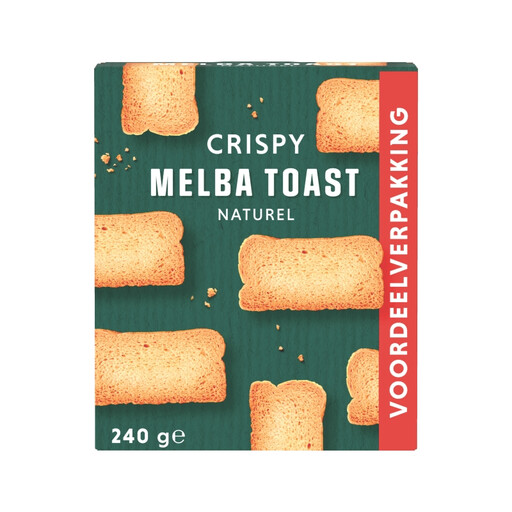 Image unavailable
Melba toast for anyone looking for a crunchy snack or a base for a topping.
Check the current packaging for allergen information; it’s more important than a general product description.
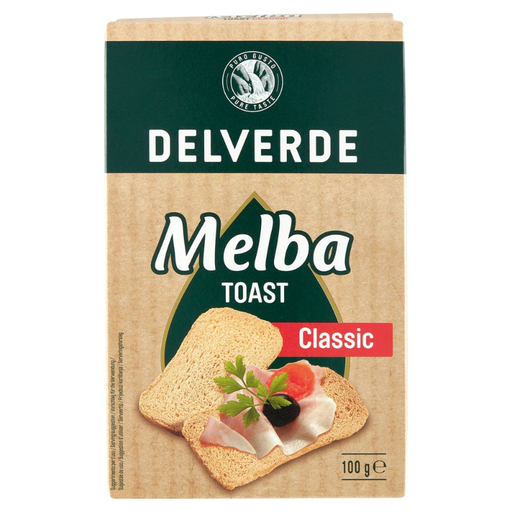 Image unavailable
Plain Melba toast to consider if you want a neutral base for a topping.
Read the current allergen information and compare the salt per 100 g with other toast products.
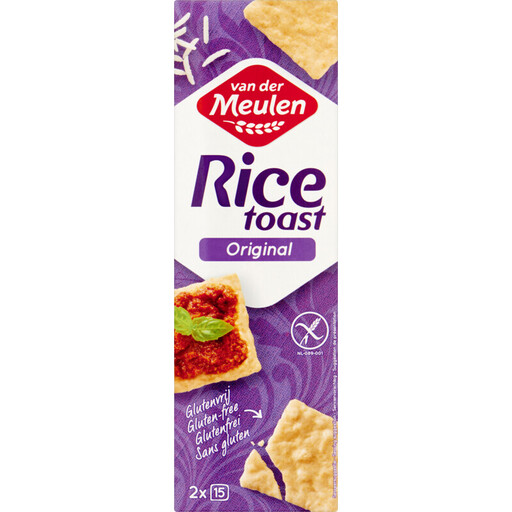 Image unavailable
Rice toast to consider if you’re looking for a different type of crunchy snack.
Check the current packaging for ingredients and allergens; don’t assume anything about its suitability for your diet from the word ‘rice’.
Not as a standard, comparable slice thickness for the toast products discussed here. Check the product type and description; for example, choose Melba toast specifically if you’re looking for thin toast slices.
Use the salt per 100 g to compare products, then consider the portion you plan to eat. The Voedingscentrum lists 0.11 g of salt for a 6 g wholegrain toast slice; don’t assume the same figure applies to another brand or size.
You can’t tell from the product name or the word ‘toast’. Ask the manufacturer for product-specific information if the iodine content is important to your choice.
Follow the instructions on your product’s packaging. For AH Melba Toast Naturel, Albert Heijn says to store it in a sealed tin after opening; Van der Meulen Melba Toast Naturel should be stored in a cool, dry place.