Want to prepare bread quickly for a snack night? Choose sliced bread in a quantity that suits the number of people, and check the slice thickness on the packaging. If you also want to eat the bread every day, an explicit ‘wholemeal’ label is a clearer guide than a dark colour or the name ‘multigrain’. Freeze any slices you won’t use soon straight away.
Who is this choice relevant to?
Hosts who want to avoid leftovers
If you’re buying bread for one evening or a small group, you’ll want enough slices without having lots left over. Freezing portions soon after buying means you can take out only what you need later, as recommended by the Netherlands Nutrition Centre.
Shoppers who also want wholemeal bread for everyday use
If you’ll serve the same bread after snack night, look beyond slice thickness. The Netherlands Nutrition Centre describes wholemeal bread as bread made from 100% wholemeal flour; colour or the name ‘multigrain’ doesn’t offer the same certainty.
People who put flavour and texture first
For this group, the choice of bread is mainly down to whether you prefer it soft, light or firmer to hold your toppings. If you’re also looking for bread to eat every day, you can compare the type of bread and its nutritional information too.
What should you look for when buying?
Decide which type of bread you want, then check the slices and choose a quantity that works for the evening and any leftovers.
| What to consider |
What to check when buying |
Who it matters to |
| Slice thickness |
Check whether the bread is sliced and whether the slice thickness and number of slices suit your toppings and group. ‘Sliced’ on its own doesn’t confirm that the slices are medium-thick. |
If I want to prepare toppings quickly during snack night, I look for slices I don’t have to cut myself and that are suitable for what I’m putting on them. Around 43% of consumers prioritise this practical consideration. |
| Type of bread |
If you want wholemeal bread, look for the ‘wholemeal’ label. For brown or multigrain bread, compare the ingredients and nutritional information rather than judging by colour alone. |
If the bread is also for other days, I want to make an informed choice between wholemeal, brown and white bread rather than going by appearance alone. For around 29% of consumers, this everyday dietary choice is the top priority. |
| Quantity and storage |
Count how many slices you’ll need and consider whether half a loaf would be suitable. Check the storage advice and freeze any portions you won’t use straight after buying. |
If I’m catering for a small group, I don’t want lots of bread left to dry out before it gets eaten. Around 28% of consumers prioritise avoiding leftovers. |
Common mistakes
-
Mistaking dark or multigrain bread for wholemeal
A dark colour, seeds or several types of grain don’t mean that bread is made from 100% wholemeal flour.
If that’s your criterion, look for the explicit ‘wholemeal’ label. According to the Netherlands Nutrition Centre, wholemeal bread is made from 100% wholemeal flour.
-
Assuming that all ‘sliced’ bread is medium-sliced
Pre-sliced bread saves you the effort of cutting it, but the label doesn’t tell you how thick the individual slices are.
Check the packaging for the specific loaf and see how many slices you’ll get before deciding how much to buy for your snack night.
-
Buying a whole loaf without a plan for leftovers
You may have slices left over if you’re catering for a small group. The Netherlands Nutrition Centre recommends freezing bread in portions straight after buying and taking out only what you need.
Count how many slices you expect to use in advance, and consider half a loaf if that’s a better fit.
-
Assuming all bread contains baker’s salt
According to the Netherlands Nutrition Centre, bakers aren’t required to use baker’s salt. So the type of bread or slice thickness won’t tell you which salt has been used.
If you want to know, check the ingredients for baker’s salt or iodised salt, or ask about unwrapped bread.
Brands and shops to consider
Albert Heijn
Albert Heijn lists a range of wholemeal breads online, including whole, half and sliced loaves.
- The bread category gives you options to compare loaf styles and pack sizes.
- Check each product to see whether the slice thickness suits your preference.
Jumbo
Jumbo describes bread categories such as wholemeal, white, brown and multigrain, with whole and half loaves available.
- The categories can help you find the type and quantity of bread you’re after.
- Check the individual loaf for slice thickness and the pack size you want.
Lidl
Lidl distinguishes between options including fresh-from-the-oven, pre-packed and bake-at-home bread.
- In store, you can look for the type and style of bread you want.
- Lidl says its fresh bread range may vary by store, so check the slice thickness there too.
ALDI
ALDI lists half and whole loaves; the product page for Fijn Volkoren says that this bread is sliced.
- Labels such as half, whole and sliced can help you find a suitable quantity.
- A ‘sliced’ label doesn’t give you the exact slice thickness.
Dirk
Dirk lists bread types online including wholemeal, white, multigrain and sourdough.
- You can compare different types of bread and pack sizes.
- Check the selected loaf for details about whether it’s sliced and how it’s packaged.
Bread products on Joybuy
These two breads are options if you’re looking for a pack with a set number of pieces for snack night. If medium-thick slices are important to you, check the slice thickness on the packaging.
 Image unavailable
TastyBasics Rye Bread, 9 pieces
The 9-piece pack may suit you if you want to decide in advance how much bread you’ll need for snack night. Check the current packaging for slice thickness and the product description if you’re specifically looking for wholemeal bread.
View on Joybuy
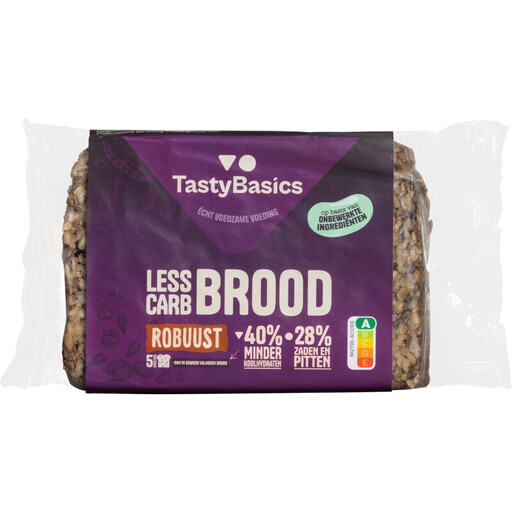 Image unavailable
TastyBasics Rustic Bread, 5 pieces
The 5-piece pack may suit you if you’re looking for bread for a smaller group. Check the packaging for slice thickness, type of bread and ingredients before choosing it for your toppings.
View on Joybuy
Frequently asked questions
How can I recognise wholemeal bread?
Look for the ‘wholemeal’ label on the packaging. According to the Netherlands Nutrition Centre, wholemeal bread is made from 100% wholemeal flour; the term ‘multigrain’ or a dark colour isn’t a substitute.
How should I store bread left over after snack night?
If you expect to have bread left over, it’s best to freeze unused portions straight after buying. The Netherlands Nutrition Centre recommends taking out only what you need; also follow the storage advice on the packaging.
Does all bread contain baker’s salt?
No. According to the Netherlands Nutrition Centre, bakers aren’t required to use baker’s salt. If you want to know which salt is used in a specific loaf, check the ingredients for baker’s salt or iodised salt, or ask about unwrapped bread.
What should I look for when choosing gluten-free bread?
Look for an explicit gluten-free label and check the current packaging and allergen information. Bread that is sliced or labelled ‘multigrain’ isn’t automatically gluten-free.


