
Vandaag of morgen in huis

Kwaliteit gegarandeerd

Welkomstaanbiedingen ontgrendelen: GRATIS bezorging | Tot 80% korting | Gratis 30 dagen JoyPlus-proefperiode
Download de app
Do you take several medications, vitamins or supplements every day? A medication organiser with 28 compartments can help you plan seven days and four daily intake times clearly. It's especially practical for carers, travellers and adults with a regular medication routine.
However, a pill box for 7 days often looks simpler in a product photo than it does in daily use. So don't just focus on the number of compartments – also pay attention to the closure, capacity, readability and material.
A medication box for 4 times a day usually has compartments for, say, morning, afternoon, evening and night. But the capacity of each compartment varies a lot. Large tablets, capsules or multiple supplements can take up more room than you'd expect.
So check:
A large pill box is handy for an extensive routine, but bigger also means the product takes up more space in a bag or suitcase.
A lockable pill box can prevent compartments from opening during transport or pills from ending up in the wrong day. That doesn't automatically mean the organiser is airtight, moisture-resistant or suitable for a bathroom.
Pay attention to the type of closure:
Also, always store medications according to the instructions on the packaging or from the pharmacy. A pill organiser does not replace the original patient information leaflet or packaging when that is needed for storage.
A weekly medication organiser needs to be clear at a glance. If the days and times are printed small, filling or checking can become difficult. This is especially true when a carer prepares the box or when you use the organiser on the go.
Where possible, choose:
The layout 28 compartments = 7 days × 4 times suits a schedule with morning, afternoon, evening and night. But do check whether your prescription actually has four fixed intake times. Some medications need to be taken at a different time or with food.
An organiser with this layout is especially suitable when you want to plan a full week in advance. For occasional use, a smaller portable pill organiser may be more practical.
According to the product information, the JORDAN&JUDY organiser is made from ABS, PP and TPE. These are plastics used in the product for the housing, compartments and closing parts. The product specification does not mention any specific environmental certification and states that the organiser is not made from solid wood.
With any model, check for:
For the JORDAN&JUDY box, hand washing with mild soap and warm water is recommended. Allow the organiser to air dry completely before refilling it.
According to the specifications, the JORDAN&JUDY Portable Sealed Weekly Pill Organiser measures 9.1 × 5.1 × 1.2 inches. That makes it suitable for a handbag, rucksack or suitcase, but check the available space before ordering.
A portable pill organiser must not only fit, but also be safe to transport. Close all compartments before putting the box in your luggage and check after filling that each lid is securely fastened.
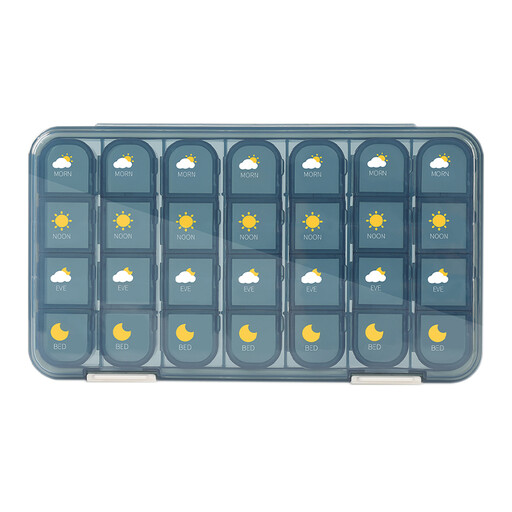
Why this fits the profile: The layout with 28 compartments is clear for anyone organising a full week of medications, vitamins or supplements for the first time.
The four compartments per day reduce the risk of mixing up intake times. The snap-lock lids are designed to keep pills in place during transport.
28 compartments; portable size; ABS, PP and TPE materials; suitable for weekly planning.
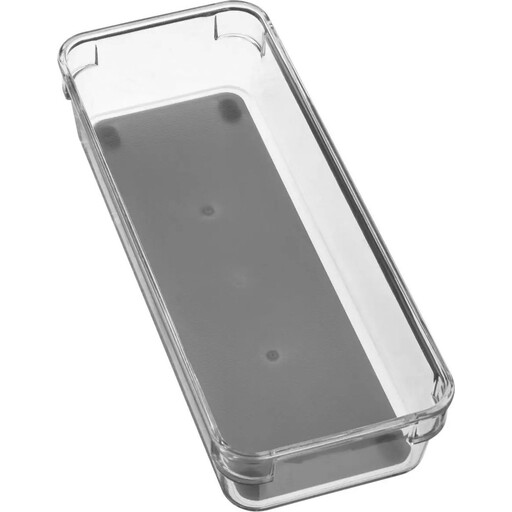
Why this fits the profile: This is a compact organiser for one category or tool, for example loose packaging, labels or accessories alongside your medication.
With one compartment, the contents stay separate from other items. Do not use this container as a replacement for a 28-compartment medication box.
Transparent PET/TPE material; dimensions 23 × 9 × 4.5 cm; non-slip feet; easy to clean.
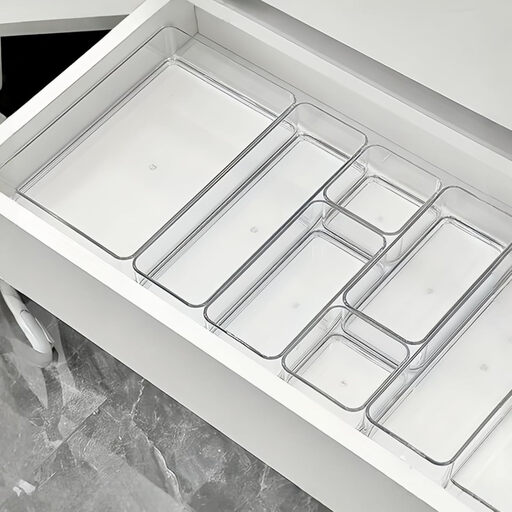
Why this fits the profile: Handy for carers who want to organise a fixed drawer for patient information leaflets, labels and unopened packaging alongside their daily pill organiser.
Different sizes help keep items separate. However, these organisers are not medication compartments and have no stated closure.
Set of 15 transparent drawer organisers in four sizes; suitable for additional storage at home.
We've put together a full, up-to-date list of products that fully meet these strict selection criteria and comply with current European safety regulations.
First, compare the packaging, the prescription and the intake times. Then fill one compartment per day and per time. Check the contents again if possible and keep medications with specific storage instructions in their original packaging. If in doubt, ask your pharmacist for advice.
The lifespan depends on the material, the closures and how it's used. Check regularly for cracks, loose lids, warping and faded markings. Replace the organiser when compartments no longer close properly or the layout is no longer clear.
A snap-lock organiser can be practical for work, weekend trips or flights. When travelling, take the original medication packaging, patient information leaflets and any medical documents with you. Also check the rules of your destination and do not store the box in an extremely hot or damp place.
