
Handbook writer
If you do a lot of writing and editing, the feel and sound of the switches may matter. Logitech offers the MX Mechanical range with a choice of switch types.


Choose a keyboard to suit your typing, the keys you use for layout work and the space you need for your mouse. A compact keyboard leaves out the numeric keypad; a full-size model includes it but takes up more desk space. Having two screens connected to one computer doesn’t automatically mean you need to switch between devices, and manufacturer information can’t prove that a keyboard will be comfortable for you or save you time.
If you do a lot of writing and editing, the feel and sound of the switches may matter. Logitech offers the MX Mechanical range with a choice of switch types.
If you use commands in layout software, check that the physical layout and any programmable keys work with your software. Adobe says that InDesign supports custom keyboard shortcuts.
If you need space for your mouse as well as two screens, consider where the keyboard will sit in your overall workspace. Arboportaal points out that screen-based work also involves repetitive actions and static strain on the neck, shoulders and arms.
| What to consider | What should you check? | Who is this most relevant to? |
|---|---|---|
| Typing feel and sound | Check the exact switch type and, if possible, try the typing feel for yourself. | If you spend hours writing and editing, you’ll want a key feel and sound level that suit you and your workspace. Around 33% of consumers put typing feel and sound first. |
| Layout and keyboard shortcuts | Compare the physical keys with your computer’s keyboard layout and the commands you use most often. | If you often use navigation, function or number keys while working on layouts, having them readily accessible matters. Around 25% of consumers prioritise the keys they use for layout work. |
| Desk space | Measure the space for your keyboard and mouse, and assess your whole workspace. | If you work with two screens and want to keep your mouse close, the space available will affect your choice. Around 25% of consumers put desk layout first. |
| Connecting to computers | Count the computers you type on and check which connections are supported. | If you want to use one keyboard with several computers, check that its connection options work with those devices. Around 17% of consumers prioritise switching between computers. |
Switching between devices is mainly useful if you type on more than one computer; two screens may also be connected to the same computer.
First, work out which computers you want to use the keyboard with. Then decide which connection options you need.
The physical keys and your computer’s selected input layout aren’t the same thing. There are also several different ISO layouts.
Check the exact keyboard layout, your computer’s settings and the commands you use. Allow time to adjust your input settings or shortcuts if needed.
Compact models leave out features such as the numeric keypad. That can be inconvenient if you often use those keys for numbers or commands.
Make a note of the keys you regularly need for writing and layout work before choosing between a compact and full-size keyboard.
A keyboard is only one part of a workspace. A product description doesn’t prove that it will prevent discomfort.
Consider your screen and desk setup too, and vary your posture. For screen-based work, Arboportaal recommends looking away regularly and taking microbreaks, among other things.
Logitech says the MX Mechanical Mini has a compact layout, while the MX Mechanical comes with a numeric keypad.
Keychron describes the K5 Max ISO as a full-size mechanical keyboard with remapping and macro options.
CHERRY says the KW X ULP and the more compact KW X ULP 2.0 MINI are low-profile mechanical keyboards with several connection options.
The manufacturer describes the ErgoDox EZ as a split mechanical keyboard with two halves and customisable keys.
This selection focuses on compact mechanical keyboards for desks where mouse space matters too.
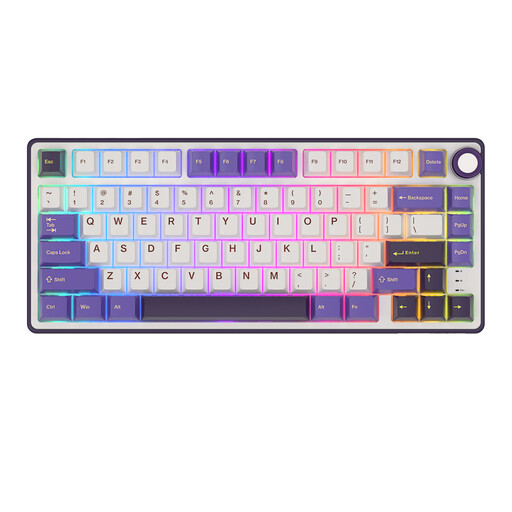 No image available
A compact layout may suit you if you want to leave more desk space for your mouse.
75% layout; wired; K Silver switches; PBT keycaps; hot-swappable switches.
 No image available
A 75% layout may be worth considering if you’re looking for a more compact model; check that the physical US layout works with your input settings.
75% layout; US QWERTY; tactile Reaper switch; wired, Bluetooth and 2.4 GHz.
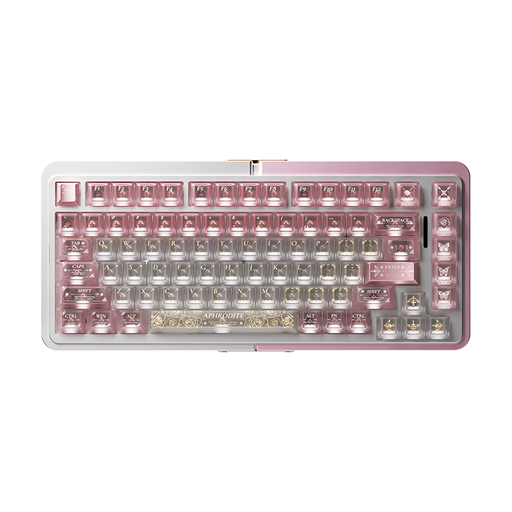 No image available
The 75% layout may suit you if you’re considering a compact mechanical keyboard.
75% layout; Hall effect switches; wired mode; hot-swappable.
 No image available
Consider this model if you’re looking for a 98% layout and several connection options; compare its dimensions with the space on your desk.
98% layout; QWERTY; wired, Bluetooth and 2.4 GHz; hot-swap.
 No image available
A 68-key model may be an option if you want a compact setup; check that the US layout works with your computer settings.
68 keys; US layout; magnetic switches; metal top plate.
Not if both screens are connected to the same computer. Switching between devices is relevant when you type on different computers or other input devices, so first count how many computers you use.
Compare the physical key layout with the input layout set on your computer. You can manage input layouts in Windows; if you use InDesign, also check the commands in the keyboard shortcut settings.
Arboportaal recommends varying screen-based work, looking away regularly, taking microbreaks and adjusting your workspace to suit your body. This workspace advice doesn’t guarantee that a particular keyboard will prevent discomfort.
When you buy online from a business, you’ll often have a 14-day cooling-off period, with some exceptions. According to the Dutch government, the legal guarantee doesn’t have a fixed two-year term: you’re entitled to a product that is fit for purpose, and you can contact the seller if it develops a fault.
No. Where applicable EU rules require CE marking, the manufacturer uses it to declare that the product complies with those rules; the logo isn’t a general assessment of typing comfort or quality.