What should you look for?
First, think about which keys you need for editing and navigation, then measure how much room your keyboard can take up beside your mouse and materials. Next, check the switch, physical layout and connection on the exact version you’re considering.
| What to consider |
What should you check? |
Who should pay closer attention? |
| Desk space and size |
Measure the available width and compare it with the dimensions of the version you’re considering. |
If I want to use my keyboard, mouse and yearbook materials side by side, I focus on how much space the keyboard takes up. Around 33% of consumers prioritise desk space. |
| Direct access to editing keys |
Check whether the exact layout has arrow, function, Home, End and Delete keys. |
When doing a lot of editing, I want to navigate without having to keep looking for functions on a secondary key layer. Around 33% of consumers prioritise direct access to editing keys. |
| Typing noise and feel |
Check which switch the version comes with and, if possible, try it in a similar room. |
If I work in a shared space, I want to know how the switch I’ve chosen sounds and feels. Around 20% of consumers prioritise typing noise. |
| Connection and physical layout |
Check which connections are supported and whether the physical key layout suits the way you work. |
If I use several computers or have a clear preference for a particular key layout, I want to know in advance whether the version is suitable. Around 14% of consumers prioritise computer and layout compatibility. |
Joybuy product picks
These Joybuy picks are mechanical keyboards with compact layouts, including 75% and 68-key versions. Compare the physical layout and connection with the way you work, and check that the specific version has the correct CE marking, as required by the Dutch Authority for Digital Infrastructure for electrical and electronic equipment sold in the Netherlands.
 No image available
AULA F75 MAX, QWERTY US, Gradient Grey
The 75% layout may suit you if you want to save space on a small desk and are looking for a compact keyboard.
The product name lists a US QWERTY layout, tri-mode connectivity (wired, Bluetooth and 2.4 GHz) and Reaper Switch. Check that the physical layout suits your typing preferences.
View at Joybuy
 No image available
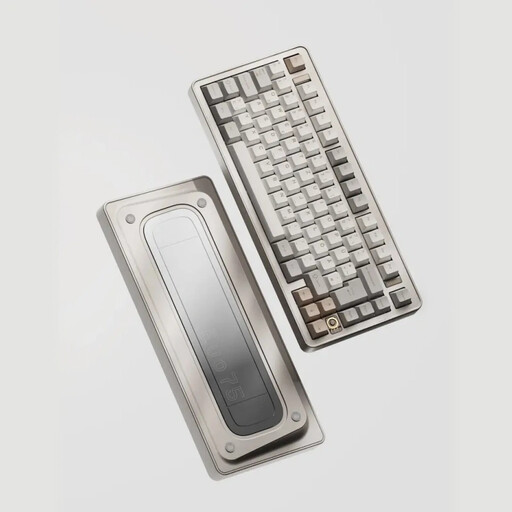
Ticktype EVO75, US layout, Anodized First Light
The 75% layout is a compact option if you want to keep some desk space free.
The product name lists a US layout, tri-mode connectivity, hot-swappable switches and VIA compatibility. Check that the physical layout suits your typing preferences.
View at Joybuy
 No image available
Redragon M68, 68 keys, US layout
With 68 keys, this is a compact choice if desk space matters more to you than direct access to every dedicated key.
The product name lists magnetic switches and a US layout. Check that the physical layout suits your typing preferences.
View at Joybuy
 No image available
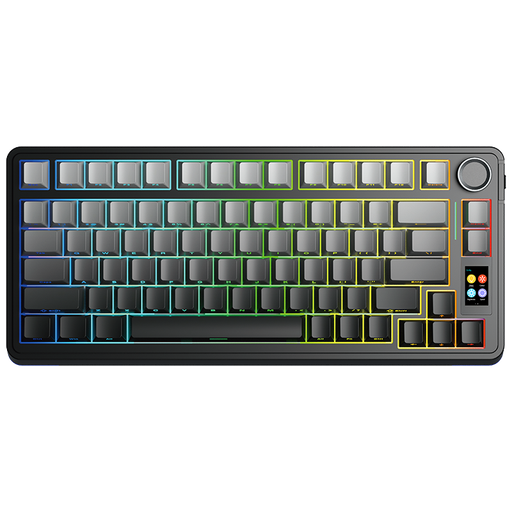
AULA S75 Pro, 75%, TFT screen
The 75% layout may suit you if you’re looking for a compact mechanical keyboard for a small workspace.
The product name lists a TFT screen, rotary dial, tri-mode connectivity and hot-swappable Star Vektor switches.
View at Joybuy
 No image available
AJAZZ AK820 MAX, 75%, US QWERTY
The 75% layout is a compact option to consider if you want to type and navigate on a small desk.
The product name lists a US QWERTY layout, tri-mode connectivity and Flying Fish switches. Check that the physical layout suits your typing preferences.
View at Joybuy
Frequently asked questions
Is a 60% keyboard automatically the best choice for a small desk?
No, not if you often need dedicated navigation and editing keys. A 2020 Dutch hands-on test by Hardware Info found that users missed Home, End and Delete keys on a 60% keyboard. So compare the layout with the editing tasks you do yourself.
What should I check when connecting a wireless keyboard?
Check that the connection on the specific version works with your computer, and follow the instructions for pairing and charging. Keychron lists Bluetooth, 2.4 GHz and wired use for the K3 Max ISO collection described here; check the specifications of the version you’re considering.
Does a quiet or tactile switch mean the keyboard makes little noise?
No. A switch name or manufacturer’s description isn’t a measurement of noise in your workspace. Check which switch the version you’ve chosen comes with and, if possible, try it in a similar room.
Does a keyboard sold in the Netherlands need to have a CE marking?
Electrical and electronic equipment sold in the Netherlands must have the correct CE marking. Check the specific version: a general product description doesn’t automatically confirm that the item on offer meets all applicable requirements.
What cancellation period and guarantee apply to an online purchase in the Netherlands?
For online consumer purchases, you generally have up to 14 days after delivery to change your mind, subject to certain exceptions. You’re also covered by the statutory guarantee if a product doesn’t perform as you could reasonably expect under normal use; a manufacturer’s guarantee period doesn’t replace this legal right.


