
Writing next to a colleague
If someone is working nearby, the sound of keystrokes and larger keys may influence your choice. A quiet switch is a good starting point, but it won’t automatically make the whole keyboard quiet.


Start by choosing a switch that suits the noise expectations at your shared desk: mechanical keyboards aren’t automatically quiet, and the case and larger keys also affect the sound. Then compare the layout and size with the keys you use when writing and editing. Always check the exact version, as switches and layouts can vary between variants.
If someone is working nearby, the sound of keystrokes and larger keys may influence your choice. A quiet switch is a good starting point, but it won’t automatically make the whole keyboard quiet.
At a shared desk, you’ll want to leave room for your mouse without losing too many keys you need for writing and editing. Compare the actual key positions, not just the size percentage.
If you’re looking for a specific typing feel or want to replace the switches later, check whether the exact version you’ve chosen is hot-swappable and which switches are compatible with it.
RTINGS.com lists clicky mechanical switches as one of the louder options. The construction and larger keys can also affect the sound of the complete keyboard. So start with your noise requirements, then check that the layout and size suit the way you write.
| What to consider | What should you check? | Who should pay particular attention? |
|---|---|---|
| Noise for the person beside you | Check the exact switch variant, and consider the case and larger keys too. A switch name alone doesn’t tell you how quiet the complete keyboard is. | If you write next to a colleague, you’ll want to minimise keystroke noise and rattling. Around 39% of consumers say noise is their main consideration. |
| Space and editing keys | Compare the physical positions of the function and navigation keys; a compact size can change how you use them. | If you need to fit a mouse and keyboard on a shared desk, you’ll need to balance saving space against having the keys you need to edit text. Around 23% of consumers prioritise space. |
| Typing feel and customisation | Check which switch is fitted and whether that exact version is hot-swappable. Also check which replacement switches are compatible. | If you’re looking for a particular typing feel during long writing sessions or want to change switches later, focus on the switch and whether it can be replaced. Around 23% of consumers prioritise typing feel. |
| Connection and layout | Check the connection type, the devices you want to pair with and the physical key layout of the variant you’ve chosen. | If you write on a specific device or need certain characters in familiar positions, you’ll want to avoid pairing and layout issues. Around 15% of consumers say connectivity or layout is their main consideration. |
Clicky switches can be clearly audible. The case and stabilisers also contribute to the sound of the complete keyboard.
Check the full switch name and, if possible, listen to the complete version in similar conditions.
ISO doesn’t, on its own, specify the language legends or physical key layout you’ll get. Keychron, for example, offers different regional variants.
Before buying, compare the images and specifications for the exact variant you’ve selected with the layout you need.
A manufacturer’s commercial warranty is separate from your statutory rights if a product doesn’t meet the standard you’re entitled to expect.
Keep your proof of purchase and contact the seller if there’s a problem. ACM ConsuWijzer explains how statutory guarantees relate to commercial warranties.
The MX Mechanical Mini is a compact option if you also want to switch between devices.
The K3 Pro ISO is a compact, low-profile option if you’re looking for a specific layout and customisation options.
The One 3 Fuji is available in a wired 80% version if you’re considering a compact layout and potentially replaceable switches.
This selection includes mechanical keyboards for writing at a shared desk, with a range of sizes, switch names and connection options. Check the exact variant and layout before choosing.
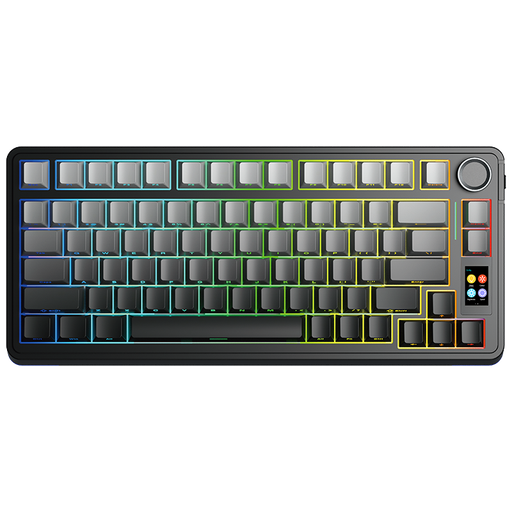 Image unavailable
A compact layout could be a good fit if you want to save space and are looking for a hot-swappable version.
The product name lists 75%, wireless connectivity, hot-swappable Star Vektor switches and a TFT display. Check which replacement switches are compatible.
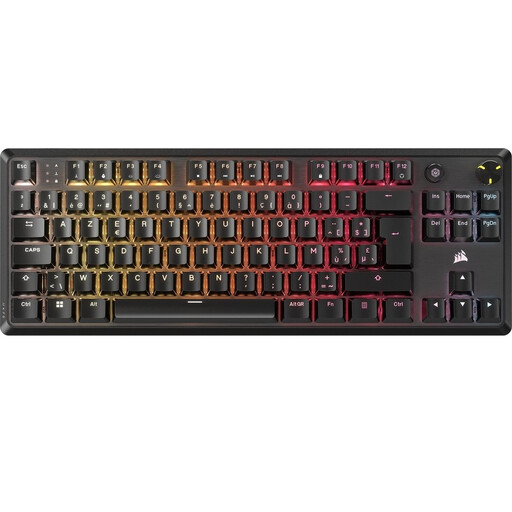 Image unavailable
The TKL layout is worth comparing if you want to use less desk space than a full-size keyboard would take up.
The product name lists TKL, BE AZERTY and MLX Red. Check that the physical layout suits your writing needs.
 Image unavailable
This model is worth comparing if a wired connection and compact layout suit your setup.
The product name lists 75%, wired, US QWERTY, hot-swappable linear switches and Red Switch. Check that the US layout suits your preferences.
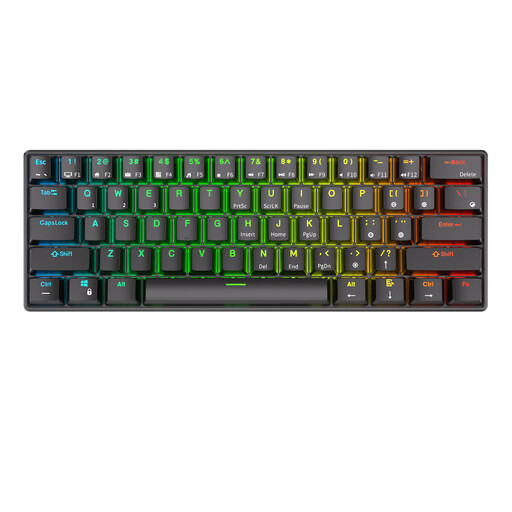 Image unavailable
The 60% layout could be a good option if you want your keyboard to take up as little desk space as possible; consider which keys you’ll need to access differently.
The product name lists 61 keys, tri-mode, RGB and hot-swappable switches. Quiet Red is a switch name, not a sound measurement of the complete keyboard.
 Image unavailable
Compare this model if you’re looking for a tactile switch and have room for a full-size keyboard.
The product name lists 108 keys, US layout, tri-mode and hot-swappable Silent Tactile Switches. The switch name doesn’t prove how quiet the complete keyboard is.
No. The switch design, case and larger keys all affect the sound. Check the exact version and, if possible, listen to the complete keyboard in similar conditions; a switch name isn’t a sound measurement.
Compare the physical keys and legends on the specific variant with the layout you need. ISO alone doesn’t confirm that it’s the language or regional variant you want.
No. Check whether your exact version is hot-swappable and which switches are compatible with it. Keychron lists hot-swap capability for a specific K3 Pro ISO version; Ducky lists it for the One 3 Fuji. Don’t rely on the model name alone.
For online consumer purchases, you’ll generally have a statutory 14-day cooling-off period after delivery, with some exceptions. This is separate from your statutory guarantee rights: in the Netherlands, the seller is responsible for providing an appropriate solution if the product doesn’t meet the standard you’re entitled to expect under normal use. ACM ConsuWijzer explains these rights.
Adjust your workspace when you sit down, and make sure your shoulders, forearms and wrists stay relaxed. Arboportaal recommends reassessing the workspace for your new seating position; a keyboard alone can’t make the whole setup suitable.