
Vandaag of morgen in huis

Kwaliteit gegarandeerd

Welkomstaanbiedingen ontgrendelen: GRATIS bezorging | Tot 80% korting | Gratis 30 dagen JoyPlus-proefperiode
Download de app
A quality cut of meat deserves the right tools. A fork that bends under the weight of a roast or a handle that gets too hot over the barbecue can complicate the cooking process. The search for a functional meat fork doesn't have to be complicated. This guide will help you make an informed choice based on product specifications and intended use, ensuring you find a model that suits your kitchen or grill.
When considering the purchase of a meat fork, several objective criteria can help you make the right decision. These are based on material, dimensions, and construction.
Your intended use determines the type of fork you need.
For utensils that come into contact with food, stainless steel is the industry standard. A stainless steel meat fork is durable, corrosion-resistant, and easy to clean, which contributes to food safety. Pay attention to the steel's finish; a polished finish is smoother and therefore easier to keep clean.
The length of the fork is directly related to its application. A carving fork is typically between 15 and 25 cm long. A barbecue fork often starts at 35 cm and can be 50 cm or longer. The weight affects the balance and feel in your hand. A heavier, forged fork often feels more robust, while a lighter model can be more agile.
The handle determines comfort and grip. Materials vary:
A professional meat fork is often forged from a single piece of steel, meaning the tines and the tang (the part inside the handle) are one continuous piece. This provides superior strength and balance.
Based on the criteria above, we have selected three meat forks with different features for various applications.
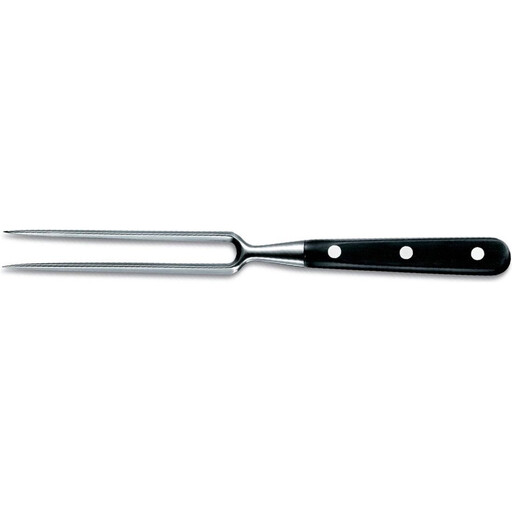
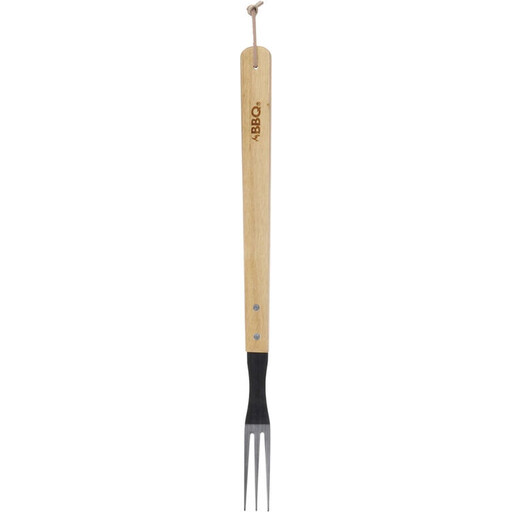
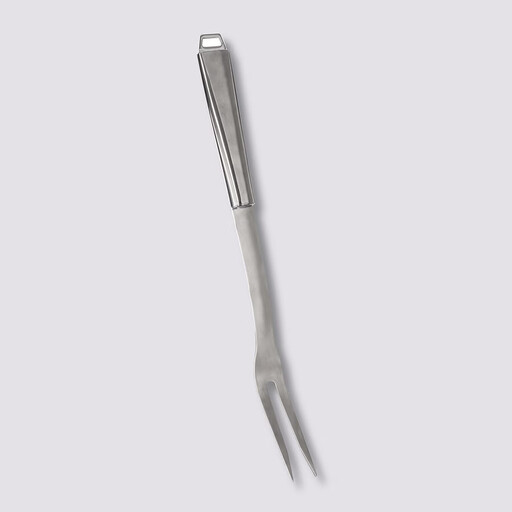
The right meat fork depends on personal preference and intended use. If you didn't find what you were looking for in this selection, or if you are curious about other models with different handles, lengths, or designs, a broader range is available.
View All Stainless Steel Forks
1. What is the difference between a meat fork and a carving fork? A carving fork is a specific type of meat fork. The term 'meat fork' is a broader category for forks used to handle meat. A carving fork is typically shorter and has two sharp tines, designed to hold a roast steady during slicing.
2. What is the best way to maintain a stainless steel meat fork? Most stainless steel meat forks are dishwasher-safe. However, always check the manufacturer's recommendations. Models with a wooden handle, like the BBQ Collection fork, or high-quality forged forks like the Victorinox, are best washed by hand to keep the material in optimal condition.
3. Can I also use a barbecue fork in the kitchen? Yes, you can. A barbecue fork is functional for handling large cuts of meat, even in the oven. However, be aware that the extra length (e.g., 46 cm) can be unwieldy when working in a standard frying pan on the stove.
Written by the Joybuy Product Recommendation Officer
