
Vandaag of morgen in huis

Kwaliteit gegarandeerd

Welkomstaanbiedingen ontgrendelen: GRATIS bezorging | Tot 80% korting | Gratis 30 dagen JoyPlus-proefperiode
Download de app
Your mattress absorbs skin flakes, dust, hair and moisture every day. A standard vacuum cleaner can pick up loose dirt, but its wide nozzle may not reach deep into the fabric. A specialist mattress vacuum cleaner is designed for mattresses, pillows, duvets, sofas and other fabric surfaces.
However, not every model is automatically right for your home. Marketing often focuses on UV-C, a high pascal rating or an impressive-sounding percentage. In practice, the difference comes down to how suction power, vibration, filtration, cord length and maintenance work together.
A high suction power rating sounds appealing, but it doesn’t tell you everything about how a vacuum performs. The design of the nozzle, airflow and a clean filter all affect the results too. A mattress vacuum cleaner needs to loosen dirt from fabric and then remove it. A model with a vibration function can help by moving the fabric before vacuuming.
According to their own product information, several brands say that UV-C light can reduce bacteria or mites. However, this doesn’t guarantee that every part of the mattress will be reached. The lamp only works where the nozzle makes good contact and you move slowly enough. So, also look for a safety sensor that switches the lamp off when you lift the appliance.
Never use a UV-C mattress vacuum cleaner on people, pets or plants, and don’t look directly at the lamp. Always follow the instructions.
A fine-dust filter becomes saturated more quickly if you regularly clean mattresses, sofas or duvets. This can reduce suction power. Check whether the filter is removable and washable, and how often the product information says it should be cleaned or replaced.
A hot-air drying function can help reduce any remaining moisture, but only use the appliance on dry fabrics unless the manufacturer says otherwise. Also check the temperature: 50, 55, 60 or 65 °C may feel hot on delicate upholstery.
For everyday mattress vacuuming, these ratings are common:
High suction power is most useful when paired with a nozzle that seals well. A vibration function, rated at 12,000 or 72,000 movements per minute according to the product specifications, for example, can loosen dust and skin flakes from the fibres.
If you’re looking for an anti-mite vacuum cleaner, dust mite vacuum cleaner or vacuum cleaner for allergies, it’s worth checking the filter system. A HEPA filter is designed to trap fine particles in the airflow. Not every product with a multi-stage filter automatically has a HEPA filter, so check the specifications for each model.
Also look out for:
A larger container means you’ll need to empty it less often, but it can also make the appliance heavier.
Most specialist models in this selection are corded. This avoids limited battery life, but you’ll need a nearby socket. A 2-metre cord is long enough for one bed if the socket is close by; 4 to 5 metres gives you more room to move.
Weights range from around 1.6 to 2.3 kg. A lightweight model is more comfortable to use on a large double mattress. For more intensive use on sofas and rugs, a sturdier appliance with a larger container may be more practical.
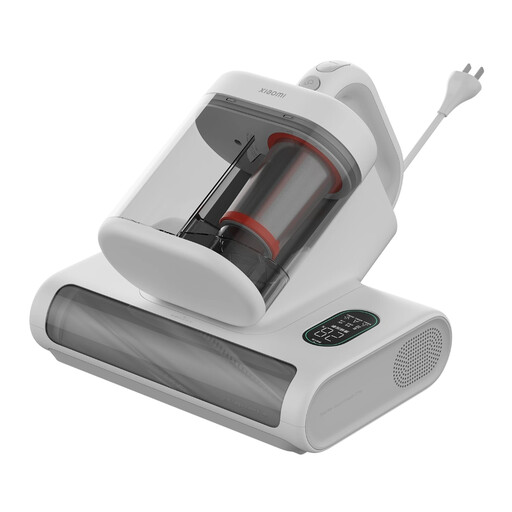
Why it suits this type of user: A compact model with 12,000 Pa suction power, a UV lamp and 50 °C hot air for regular care of bedding, pillows and sofas.
As well as UV, the product information lists a four-stage cyclone filter and a weight of around 1.63 kg. Please note: according to the specifications, this model is not supplied with a HEPA filter.
Lightweight design, washable filter, UV function and 50 °C hot air; suitable for dry fabrics.
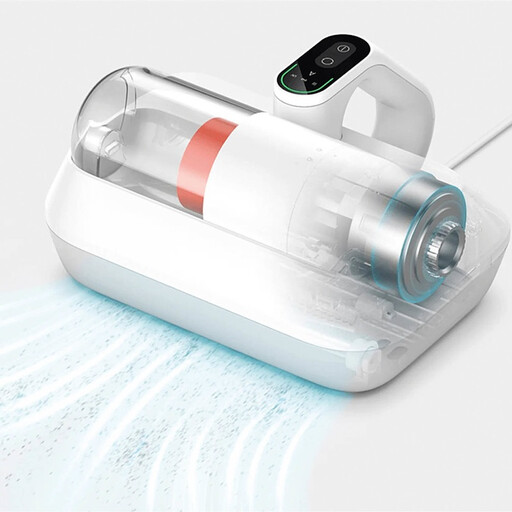
Why it suits this type of user: For households that clean several fabric surfaces and value adjustable settings, capacity and comprehensive filtration.
The product specifications list a four-stage filtration system, a 0.5-litre dust container and a UV safety sensor that switches off when the appliance is lifted.
14,000 Pa suction power, 55 °C hot air, several modes and, according to the product information, a HEPA filter.
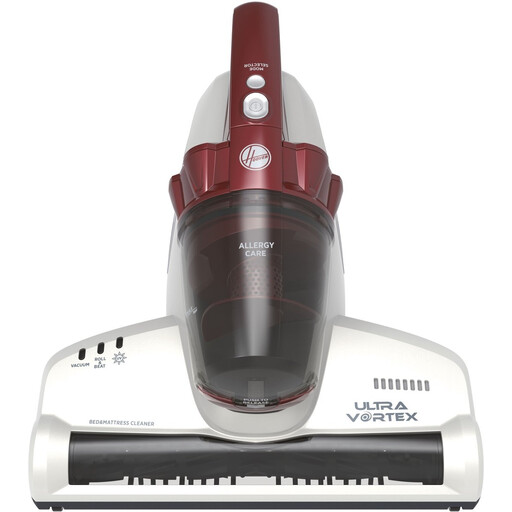
Why it suits this type of user: Ideal if you want to tackle pet hair on sofas, pillows, duvets and carpets as well as clean mattresses.
According to the product description, the Roll & Beat function combines vibration with vacuuming. This means you don’t have to rely on UV light alone.
500 W motor, UV-C lamp, cyclone filter and a cord of around 4 metres. The appliance weighs 2.3 kg according to the specifications.
A mattress vacuum cleaner is no substitute for washing, airing or using a mattress protector. Think of it as an addition to regular bedding cleaning and good mattress care.
We’ve put together a complete, up-to-date list of products that meet these strict selection criteria and current European safety regulations.
It depends on how you use it. For many households, once a month is a practical cleaning routine. If you have pets or children, or use a lot of fabric furnishings, you may want to clean more often. Move slowly and follow the appliance’s care instructions.
A model with a well-sealed system and a HEPA filter can help trap fine particles in the airflow. This isn’t a medical treatment and won’t automatically remove all allergens. Check the filter information and, ideally, empty the container outdoors or in a well-ventilated area.
Its lifespan depends on how often you use it, how well you maintain the filter, how you store it, and the quality of the cord and motor. Clean the filter promptly, let washable parts dry completely and don’t use the appliance on liquids. Before buying, also check whether replacement filters are available.
