
Vandaag of morgen in huis

Kwaliteit gegarandeerd

Welkomstaanbiedingen ontgrendelen: GRATIS bezorging | Tot 80% korting | Gratis 30 dagen JoyPlus-proefperiode
Download de app
A mattress vacuum cleaner for dust mites can be useful for mattresses, pillows, sofas and other dry fabrics. However, not every appliance with a UV lamp or high wattage is automatically suitable for your needs. The difference often comes down to the combination of suction power, brush action, filter maintenance and ease of use.
Households with pets, children or sensitive airways often face the same problems: dust remains deep in the fibres, the dust container fills up quickly and a cord makes regular cleaning unnecessarily awkward. Below, you’ll find what to look for before buying an anti-mite vacuum cleaner.
A higher motor power rating does not automatically indicate how much dirt the appliance will actually pick up. The design of the suction head, airflow, seal and filtration system also have an impact. As well as the wattage, look at the stated suction pressure in kPa and the intended use of the suction head.
An appliance for mattresses and sofas should also glide smoothly over fabric. A head that is too narrow or rigid can make cleaning slower, while a motorised brush can loosen hair and dust more effectively.
A UV-C mattress vacuum cleaner is often presented as a solution for mites, bacteria and allergens. However, its effectiveness depends on the distance from the surface, the speed at which you move the appliance and its safety features. According to Hoover’s own product information, the integrated UV-C lamp helps reduce bacteria, allergens and mites; this is a brand claim and not a guarantee for every usage situation.
Never direct UV-C light at the eyes or skin. According to the product descriptions, the UV function on models from Deerma, ochama and Xiaomi switches off automatically when the appliance is lifted or tilted. Always check this in the manual and do not bypass a safety sensor.
A small reservoir may seem practical, but it needs emptying more frequently when dealing with a lot of dust or pet hair. A saturated filter can restrict airflow. Therefore, check:
A mattress vacuum cleaner is not a substitute for washing, airing or following the mattress manufacturer’s care instructions. Only use the appliance on dry surfaces if this is stated in the product information.
For everyday use on bedding, a model with moderate suction power may be sufficient. For deeper upholstery, pet hair or several mattresses cleaned one after another, a higher stated value is more practical. The values in this selection range from 12 kPa to 20 kPa, for example.
Also look for vibration or a rotating brush. A vibration function can loosen dust from the fibres before it is vacuumed up. A furniture vacuum cleaner with a motorised mattress or upholstery head often provides more targeted cleaning than a standard handheld vacuum cleaner.
A cyclone system separates dust particles using air circulation. Some models add a multi-stage filter or HEPA filter. Don’t just look at the label; also consider how often maintenance is required and whether parts are readily available.
A dual-cup or twin-reservoir system can keep dust and filter components separate. This can be useful if you often clean bedding or also treat sofas and carpets.
A vacuum cleaner with UV light and warm air combines several functions, but requires extra attention to safety and temperature. According to the product description, warm air can help dry the fabric, but check that your mattress is suitable for this.
Cordless models are quick to use, but have a limited operating time and need to be recharged. Corded models are less flexible, but are suitable for longer cleaning sessions. With both types, pay attention to weight, noise level, cable length and how the dust container is emptied.
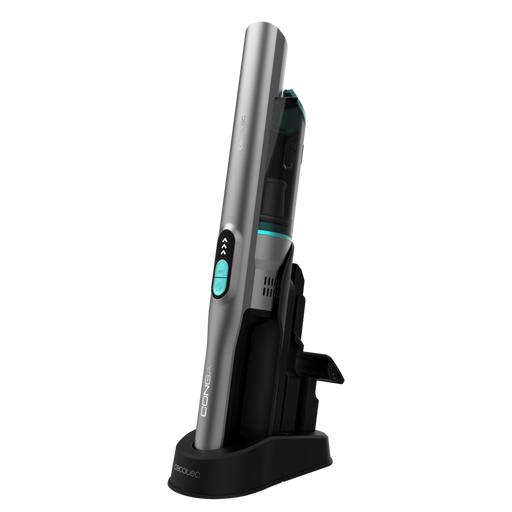
Why it suits this profile: This cordless handheld model is suitable for anyone who wants to clean a mattress, sofa or car seat occasionally without having to get out a larger appliance.
The product information lists a removable 2500mAh battery, Eco and Turbo modes and a cyclone filtration system. There is no UV-C function, so you do not need to consider a disinfection claim when deciding whether to buy.
Stated suction power of 20 kPa, up to 40 minutes of use according to the product description and a furniture attachment included.
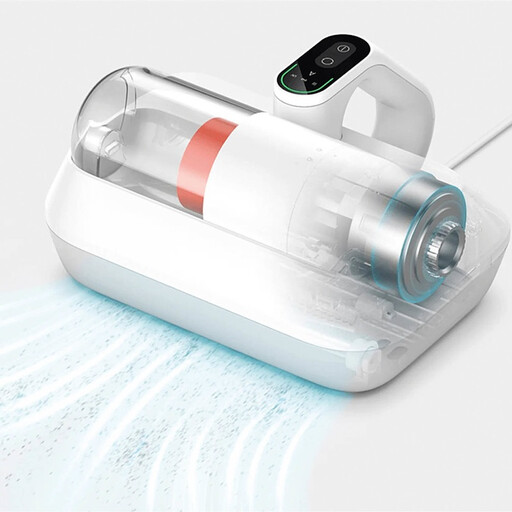
Why it suits this profile: Suitable for anyone who wants to combine several functions in one appliance for mattresses, pillows, sofas and soft furnishings.
The product information lists a UV safety sensor, four-stage filtration and a display. According to Xiaomi’s own product information, the UV results are based on the brand’s data; do not treat them as a universal guarantee.
14 kPa suction power, 55°C warm air, three modes and a 0.5-litre dust container.
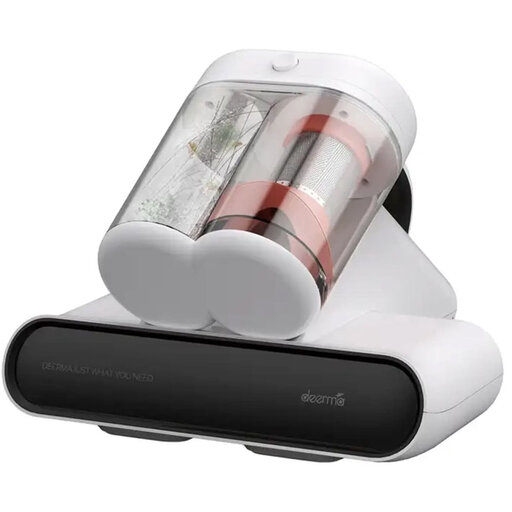
Why it suits this profile: This model is designed for more intensive cleaning of mattresses, sofas and carpets when vibration, UV and warm air are required.
The dual dust-separation system is intended to make emptying and filtering more straightforward. According to the product description, the UV function switches off automatically if the appliance is used unsafely.
13 kPa suction power, vibration of up to 12,600 movements per minute, warm air of up to 60°C and two 0.6-litre dust compartments.
We’ve put together a complete, up-to-date list of products that fully meet these strict selection criteria and the applicable European safety regulations.
Do not use a vacuum cleaner for mattresses and sofas on wet surfaces, liquids or flammable materials. A UV-C lamp must never be directed at people or pets.
Vacuuming a mattress can remove dust, skin flakes, hair and other particles from the fabric. The amount removed depends on the appliance, the suction head and how you use it. It forms part of regular maintenance, alongside washing and good ventilation. You should always read a manufacturer’s claim about reducing mites or bacteria in the context of the stated testing and usage conditions.
This depends on whether you have pets or children, how much fabric is used and the amount of dust in your home. A practical approach is to clean mattresses and pillows periodically, while including sofas and pet beds more frequently. After each session, check that the filter still has sufficient capacity and that the dust container is not becoming overfilled.
The running costs mainly consist of electricity, replacement filters and any wear parts. A cordless model also has a battery that will eventually provide less operating time. With a corded model, electricity costs per cleaning session are generally limited; pay particular attention to the power consumption and operating time. In practice, an appliance with a larger reservoir or readily available filters may result in fewer interruptions for maintenance.
