
Vandaag of morgen in huis

Kwaliteit gegarandeerd

Welkomstaanbiedingen ontgrendelen: GRATIS bezorging | Tot 80% korting | Gratis 30 dagen JoyPlus-proefperiode
Download de app
A mattress, duvet or fabric sofa holds on to more than just visible dust. Household dust, hair and flakes of dead skin can collect deep in the fibres. That’s why many households look for a mattress vacuum cleaner, dust mite vacuum or anti-mite vacuum.
However, not every appliance is right for every job. A high suction power figure on the packaging, for example, tells you little about filtration, ease of use or heat output. Keep these points in mind to avoid buying something that ends up gathering dust in a cupboard after just a few weeks.
A figure such as 12, 14 or 15 kPa gives you an indication of the suction pressure, but not of the overall cleaning performance. The brush, airflow, nozzle and filter design all play a part too. A powerful motor may also feel heavier to use or make more noise.
So always check the combination of suction power, brush action, weight and cord length. For a mattress or sofa, an appliance that you can move steadily across the surface is often more practical than a heavy model with an impressive number on the box.
Some models have a UV-C lamp. According to brands’ own product information, this feature can help reduce micro-organisms or dust mites in specific conditions. It doesn’t guarantee that a mattress will be completely free of mites or allergens.
How well it works depends, among other things, on the distance from the fabric, how quickly you move the appliance and how long the surface is exposed. Never use UV-C on people or pets, and don’t look directly at the lamp. On various models, the lamp switches off automatically when the appliance is lifted from the surface.
A dust mite vacuum collects fine particles. If the filter is full, airflow may drop and the appliance may not work as well. Look for a washable filter, check whether replacement filters are available, and find out how often the appliance needs maintaining.
A multi-stage filter may include cyclone separation, a metal mesh, a filter cartridge and a fine dust filter. Check each product’s details to confirm whether it actually comes with a HEPA filter. The Xiaomi Dust Mite Vacuum Cleaner 2, for example, lists a four-stage filtration system, but also states that it doesn’t have a HEPA filter.
When cleaning bedding or removing pet hair from a mattress, both suction power and mechanical action matter. A vibrating or rotating brush can loosen dust and hair from the fibres before they’re vacuumed up.
Examples from the range:
These figures aren’t directly comparable. Also consider the width of the nozzle, the appliance’s weight and how the brush makes contact with the fabric.
A 300 to 650 ml dust container determines how often you’ll need to empty it. A compact container may be enough for one mattress; if you have several sofas or beds, or pets, a larger capacity is more convenient.
A sealed filtration system helps stop vacuumed-up dust from going straight back into the room. Also look for:
Some models combine vacuuming with warm air. The Xiaomi Pro lists 55 °C, as does the Lubluelu CM208. The Xiaomi Dust Mite Vacuum Cleaner 2 lists 50 °C, while the ochama mattress cleaner lists 65 °C.
Warm air may help reduce residual moisture in fabric, but use this feature according to the instruction manual. If in doubt, test the appliance on an inconspicuous area first. Don’t use an electric mattress cleaner on wet surfaces or to vacuum up liquids.
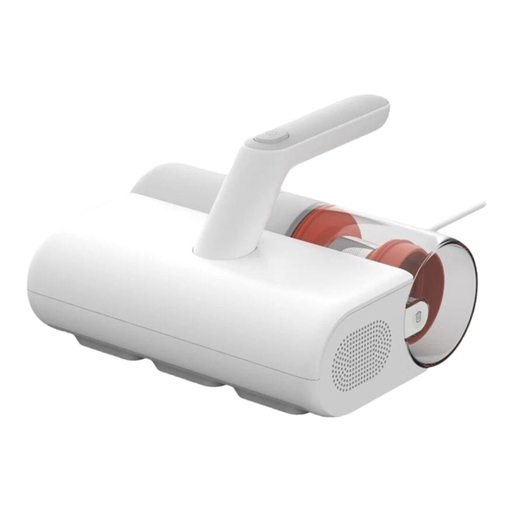
Why it suits this type of user: This model is designed for anyone looking for a straightforward, corded vacuum for regular use on mattresses, cushions and sofas.
The specifications list more than just 12,000 Pa suction power: they also include a 2-metre cord, a weight of 1.63 kg and a four-stage filtration system.
UV function, 50 °C warm air, a washable filter and a compact design. Please note: the product information doesn’t list a HEPA filter.
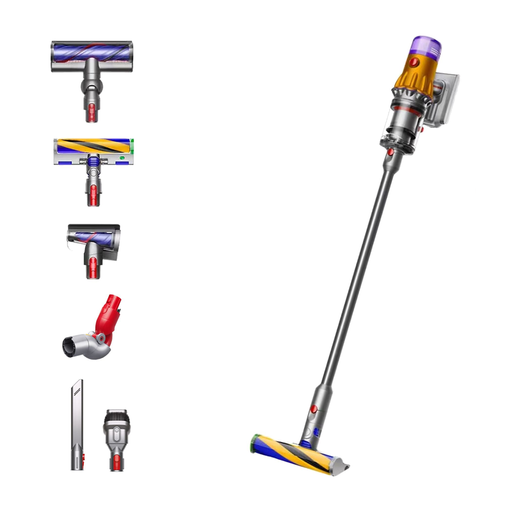
Why it suits this type of user: Ideal for households looking for one versatile cordless vacuum to use on floors, sofas, in the car and on beds.
Laser dust detection and the LCD screen provide information about the particles collected as you clean. This helps you look beyond marketing claims about suction power.
Cordless design, up to 60 minutes’ run time according to the product information, and stated suction power of up to 150 AW. A dedicated UV-C function for mattresses isn’t listed.
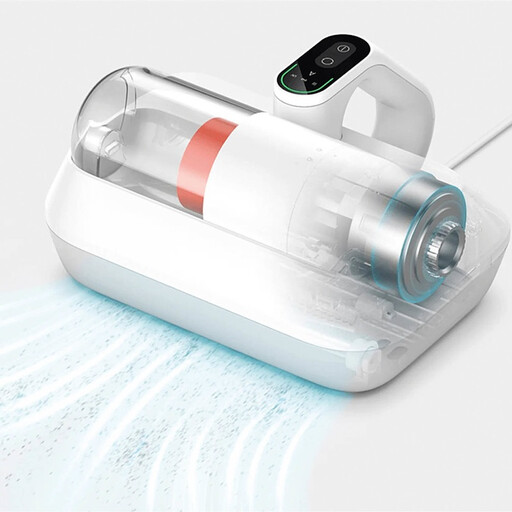
Why it suits this type of user: A good choice if you regularly want to clean mattresses, sofas, duvets and cushions using several features in one appliance.
The product information lists smart dust mite detection, three modes, automatic UV-C shut-off when lifted and a four-stage filter.
14 kPa suction power, 55 °C warm air, a 0.5-litre dust container and washable accessories. The appliance is corded and weighs 2.06 kg.
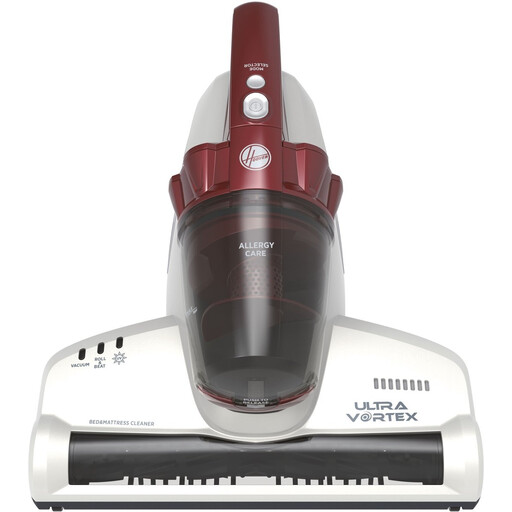
Why it suits this type of user: Designed specifically for mattresses, cushions, sofas, carpets and pet hair, this model is worth considering if you regularly clean fabrics.
The specifications combine 500 W power, a Roll & Beat brush and a cyclone filter. According to Hoover’s own information, the UV-C lamp helps reduce bacteria, allergens and mites.
500 W motor, UV-C function, vibrating brush and a weight of 2.30 kg. The appliance is corded and designed for dry surfaces.
We’ve put together a complete, up-to-date list of products that meet these strict selection criteria and comply with current European safety regulations.
An anti-mite vacuum doesn’t replace ventilation, washing your bedding or regular cleaning. Treat UV-C and warm air as additional features, not as a reason to skip the safety instructions.
The appliance can vacuum dust, flakes of dead skin and other particles from fabrics. Brands sometimes associate features such as UV-C, vibration or warm air with reducing mites. In line with ACM principles, it’s best to treat these as product claims made by the brand rather than guaranteed results.
That depends on how often it’s used, whether you have pets and how much dust there is in your home. Many households can start by cleaning once a month, and clean more often if there’s a visible build-up of hair or dust. Always follow the maintenance instructions for the filter and dust container.
A corded model uses electricity whenever it’s switched on. Consumption depends on the motor’s power rating and how long you use it for. A cordless vacuum uses a battery that needs to be recharged after use. So don’t compare wattage alone: also consider how long you’ll actually use the appliance and which setting you choose.
