
Vandaag of morgen in huis

Kwaliteit gegarandeerd

Welkomstaanbiedingen ontgrendelen: GRATIS bezorging | Tot 80% korting | Gratis 30 dagen JoyPlus-proefperiode
Download de app
A mattress can look clean as long as there are no visible stains. However, dust, dead skin cells, pet hair and moisture can build up in textiles. A mattress vacuum cleaner can help you regularly care for mattresses, pillows, sofas and other fabric surfaces.
It’s worth looking carefully at how these appliances are advertised. A UV lamp, high suction power or warm air may sound appealing, but they don’t automatically guarantee results in your bedroom. Below, you’ll find the main pitfalls to avoid, key technical features to consider and a few product suggestions for different households.
A high kPa rating refers to the stated suction pressure, but not to the overall cleaning experience. The brush, airflow, filter and width of the suction head all play a part too. A powerful appliance may also be heavier or noisier.
As well as suction power, check:
Several models feature UV-C lighting. According to brands’ own product information, this feature can help reduce micro-organisms or dust mites on the treated surface. However, the results depend on the distance, speed of movement, contact time and condition of the fabric.
A UV mattress vacuum cleaner shouldn’t be seen as a replacement for washing, airing or professional cleaning. Check the safety features too: UV-C shouldn’t be directed at your eyes or skin. On some appliances, the lamp switches off automatically when you lift the appliance.
A dry anti-mite vacuum cleaner is different from a carpet or upholstery cleaner with a water tank. A dry appliance is handy for dust, hair and loose particles. A wet cleaner is designed for stains and deeper fabric cleaning, but requires more drying time and maintenance.
Don’t use a dry model on wet surfaces or to vacuum up liquids unless the manual explicitly says you can.
For a dust mite vacuum cleaner, a combination of suction power and mechanical movement is often more practical than a powerful motor alone. A vibration function or beating brush can agitate the fibres, so that dust and hair can then be vacuumed up.
Check the stated specifications:
These figures come from product specifications and aren’t always directly comparable between brands.
Good filtration matters when you’re removing fine dust from bedding or upholstery. Look for a multi-stage filtration system, a washable filter and a dust container that’s easy to empty. Check in advance whether replacement filters are available.
A larger dust container, for example around 500 to 650 ml, means you’ll need to empty it less often during a cleaning session. On smaller models, the container may fill up more quickly, reducing airflow.
Warm-air drying can help reduce residual moisture on the treated surface. Products in this category list temperatures such as 55, 60 or 65 °C. According to the manufacturer’s product description, the warm air is intended to dry the surface and create a less humid environment.
Use this function carefully on materials that are sensitive to heat. Always check the mattress care label. Also look for:
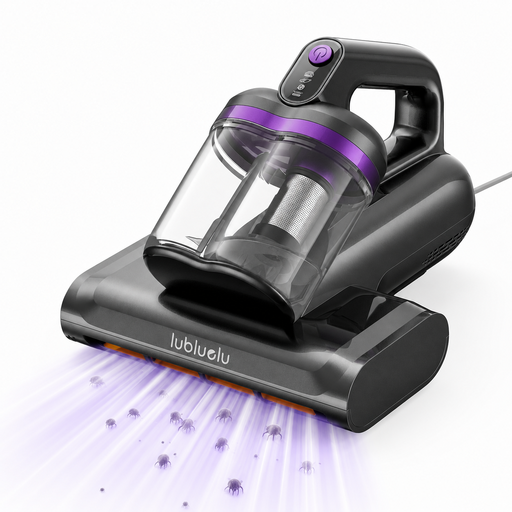
Why it suits this type of user: This corded model combines a stated suction power of 15 kPa with warm-air drying and a 650 ml dust container. It’s suitable for regular care of mattresses and upholstered furniture.
The product specifications cover more than just suction power: they also list a 4-metre cord, a maximum noise level of 72 dB and a larger dust container.
15 kPa suction power, 55 °C warm air, 500 W power and a 650 ml dust container.
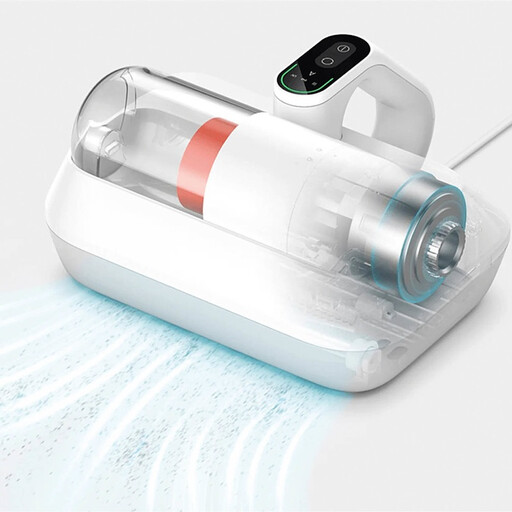
Why it suits this type of user: This model offers several modes, a display and a four-stage filtration system. It’s a good fit for households that want to keep track of settings and maintenance at a glance.
As well as 14 kPa suction power, the manufacturer lists a four-stage filter, dust detection, a UV safety sensor and a recommended filter replacement interval of 2 to 3 months.
14 kPa suction power, 55 °C warm-air drying, a 0.5-litre dust container, and low, smart and high modes.
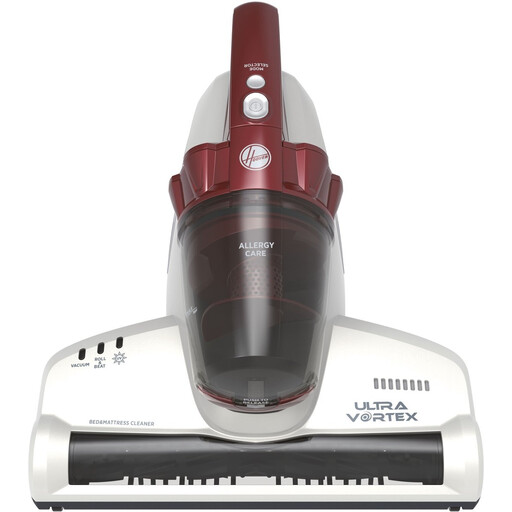
Why it suits this type of user: The combination of UV-C, suction power and Roll & Beat vibration function is designed for removing hair from mattresses, pillows, sofas and pet bedding. According to the specifications, the appliance weighs 2.3 kg.
As well as UV-C, the product description mentions a Roll & Beat brush and cyclonic separation. So the choice isn’t based on a UV claim alone.
500 W power, UV-C function, vibration brush and a minimum 2-year statutory guarantee, according to the product information.
We’ve put together a full, up-to-date list of products that meet these strict selection criteria and the applicable European safety requirements.
For normal household use, once a month is a practical starting point. If you have pets, lots of textiles or visible hair around the home, you may want to clean more often. Always follow the mattress care instructions and empty the dust container after use.
No. A vacuum cleaner for beds and sofas can pick up dust, hair and loose particles. According to brands’ own research or product claims, UV-C, vibration functions and warm air can help reduce mites or allergens on the treated surface. No appliance can make a mattress completely allergen-free. Washing, airing and using a suitable mattress protector remain part of regular care.
For corded models, the main running costs are electricity and replacement filters. A 300 to 500 W model uses relatively little electricity during a short cleaning session. The total cost depends mainly on how long you use it, filter replacements and any accessories. An appliance with a washable filter can make ongoing maintenance easier, but check whether the filter needs to dry completely before you put it back, as stated in the manual.
