
Vandaag of morgen in huis

Kwaliteit gegarandeerd

Welkomstaanbiedingen ontgrendelen: GRATIS bezorging | Tot 80% korting | Gratis 30 dagen JoyPlus-proefperiode
Download de app
A mattress vacuum cleaner can help remove dust, skin flakes, hair and other loose dirt from mattresses and upholstered furniture. However, many people choose a device based on one eye-catching figure, such as 15 kPa suction power or a claim like “99.9% removal”. This doesn’t always give you an accurate picture of how it will perform day to day.
For households with pets, sensitive airways or lots of textiles, three things matter most: how deeply the brush works into the fabric, how the air is filtered and how easy the appliance is to clean. Read on to find out what to look for and which models suit different needs.
Suction power is expressed in Pa, kPa, AW or watts, depending on the model. These figures aren’t directly comparable. Watts indicate the motor’s power consumption, while kPa and AW describe suction performance according to a particular testing method.
A high figure also doesn’t automatically mean an appliance will work well on a mattress. An effective combination of nozzle, beating brush, airflow and filter is just as important. So check the brush technology and the width of the nozzle, too.
A mattress cleaner with a UV-C lamp can use UV light during cleaning. According to information provided by various brands, this may help reduce certain microorganisms or mites. However, performance depends on factors such as distance, exposure time, how quickly you move the appliance and how much contact it makes with the surface.
UV-C is no substitute for a regular cleaning routine or washing your bedding. Check for a built-in safety sensor, too. On some models, the lamp switches off as soon as you lift the appliance. Never point UV-C at people or pets, and don’t look directly at the lamp.
A compact anti-mite vacuum cleaner collects a lot of fine dust. Its dust container can fill up quickly, and the filter can become blocked. This reduces airflow and makes maintenance more of a chore.
Before buying, check:
A HEPA filter can trap fine dust, but having a HEPA filter alone doesn’t tell you how well the appliance performs overall. The housing seal and maintenance are important, too.
A mattress vacuum cleaner with a vibrating or rotating brush can loosen dust from the upper layers of fabric before sucking it up. This is useful for mattresses, sofas, cushions and duvets. A wide nozzle gets the job done faster on a large mattress, while a narrow handheld mattress vacuum cleaner is more convenient for edges and seams.
Only use the appliance on dry surfaces if the manufacturer requires it. A mattress vacuum cleaner isn’t designed to suck up liquids unless the product manual explicitly says that it can.
For households with allergies, asthma or pets, a well-sealed filtration system is important. An allergy-friendly vacuum cleaner should not only pick up dirt, but also prevent large amounts of fine dust from escaping back into the room through the exhaust air.
Consider the practical capacity. A 0.3-litre dust container is compact, but needs emptying more often than a model with a 0.5 or 0.65-litre capacity. Washable filters reduce ongoing costs, but must be completely dry before you put them back.
A hot-air mattress cleaner blows warm air over the fabric. According to the product description, this can help reduce any remaining moisture. Temperatures vary by model, for example 50, 55 or 65 °C. Use this function carefully on heat-sensitive fabrics, and don’t run the appliance for longer than the manual recommends.
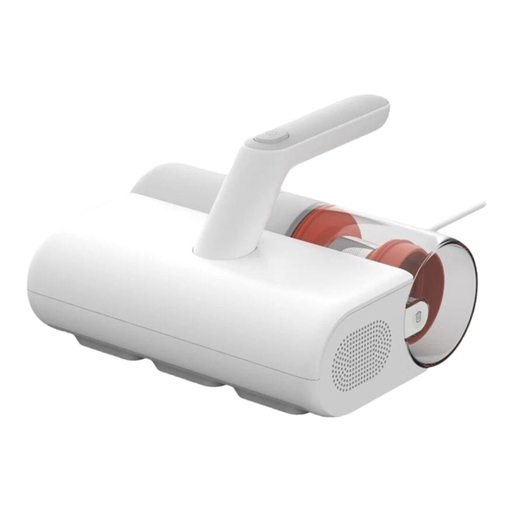
Why it suits this profile: This corded model is designed for mattresses, cushions, blankets and sofas, and comes with a 2-metre cable. Its simple controls make it easy to use regularly in the bedroom.
As well as a UV function and 50 °C warm air, the product information lists a four-stage cyclone filter. Bear in mind that, according to the specifications, this model doesn’t have a HEPA filter.
12,000 Pa stated suction power, a weight of 1.63 kg and a washable filter, according to the product information.
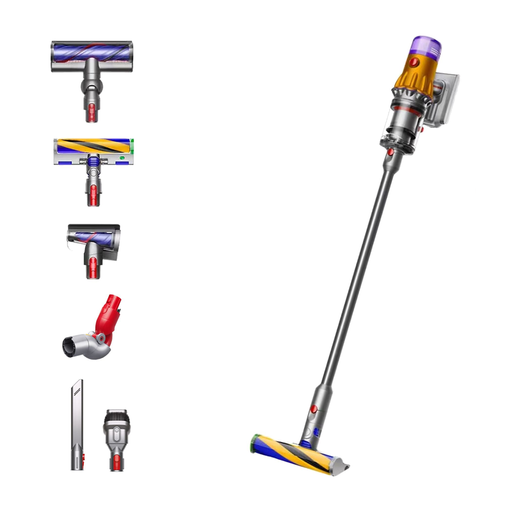
Why it suits this profile: If you’re looking for one appliance for floors, sofas, stairs and pet hair, this cordless stick vacuum cleaner gives you more flexibility than a specialist UV vacuum cleaner.
According to the product description, the laser function helps make dust more visible. Do check that the included accessories are suitable for your mattress and upholstery.
Up to 60 minutes’ use on the lowest setting, a 0.35-litre dust container and stated suction power of up to 150 AW.
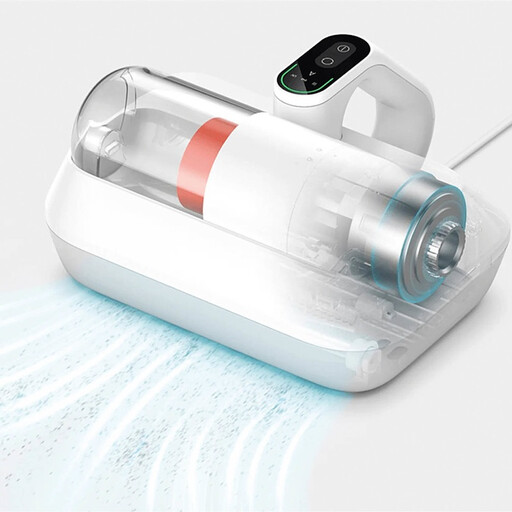
Why it suits this profile: This model is designed for people who regularly clean mattresses, sofas, duvets and cushions, and want to combine UV light, warm air and multiple settings.
According to the product description, the UV lamp switches off when the appliance is lifted more than 5 cm. The four-stage filtration and washable dust container make maintenance more straightforward.
14 kPa stated suction power, 55 °C warm air, a 0.5-litre dust container and low, smart and high settings.
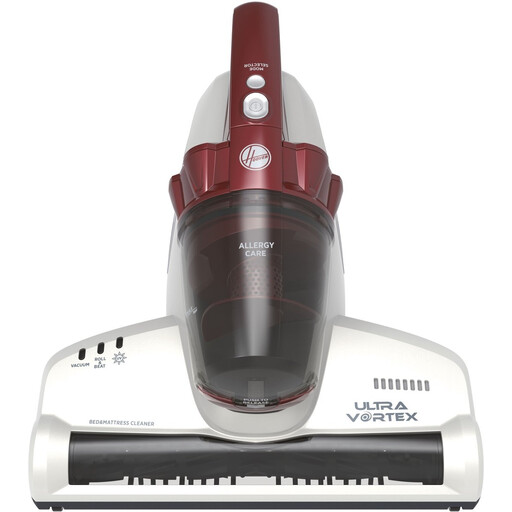
Why it suits this profile: This corded model is specifically designed for mattresses, sofas, cushions, carpets and pet hair. Its Roll & Beat function is designed for fabric surfaces.
The 500W motor, beating function and cyclone system mean it’s not just about UV light. According to the product description, the appliance must be used dry and must not be used to suck up liquids.
500 W power, a Roll & Beat brush and a weight of 2.30 kg, according to the product specifications.
We’ve put together a complete, up-to-date list of products that meet these strict selection criteria and the applicable European safety regulations.
It depends on how it’s used. In a household with pets or lots of textiles, cleaning once a month can be practical. Vacuum slowly, paying extra attention to seams and edges. Wash your bedding according to the care instructions, and leave your mattress to air thoroughly.
Its lifespan depends on the motor, filter maintenance, how often it’s used and how it’s stored. Empty the dust container promptly, clean the filters as instructed in the manual and check the brush rollers for hair. With cordless models, battery capacity can also become a consideration over time.
With a corded model, your main costs are electricity and, possibly, filters. With a cordless appliance, replacement filters and, eventually, a new battery may be relevant. So don’t compare just the purchase price: also check the availability of replacement filters, the dust container capacity and how much time maintenance takes.
