
Vandaag of morgen in huis

Kwaliteit gegarandeerd

Welkomstaanbiedingen ontgrendelen: GRATIS bezorging | Tot 80% korting | Gratis 30 dagen JoyPlus-proefperiode
Download de app
A mattress vacuum cleaner can remove dust, skin flakes, pet hair and other dirt from mattresses and upholstery. However, not every model works in the same way. Some are powerful handheld vacuums designed mainly for dry dirt, while others combine a vibrating brush, UV-C light or hot air.
For households with pets, fabric sofas or lots of textiles at home, the right choice largely depends on ease of use and verifiable specifications. If you focus only on terms such as “anti-mite” or “sterilisation”, you could end up with a device that’s too heavy, too noisy or difficult to maintain in practice.
A motor rated at 500 W sounds powerful, but that figure doesn’t directly show how much suction the nozzle delivers to the mattress. Instead, look at the stated suction power in kPa, the brush design and the way dust is filtered.
A model with 12 to 15 kPa may be suitable for mattresses, while a handheld vacuum with 20 kPa may be better suited to crumbs, pet hair and furniture. So don’t compare wattage alone: consider the motor, nozzle and filter as a whole.
A UV-C lamp can be part of the cleaning process, but the results depend on factors such as distance, how quickly you move the device and exposure time. Claims such as “99.9%” are brand claims. According to the brand’s own research, figures like these may have been measured under specific conditions; they’re not a general guarantee for every bedroom or mattress.
Never use UV-C as a substitute for washing, drying items thoroughly and vacuuming regularly. Check the safety feature, too: on various models, the lamp switches off when you lift the device.
A small dust container needs to be emptied more often. A filter that clogs quickly can reduce airflow and suction power. So check:
A cordless model gives you more freedom to move around, but its running time is limited. According to the product information, the Cecotec Conga RockStar Micro+ runs for up to 40 minutes and has a replaceable battery. That makes it flexible for short cleaning sessions, but if you plan to use it intensively, check whether an extra battery is available.
A vacuum cleaner for beds and sofas needs to do more than pick up surface dust. A vibrating or motorised brush can loosen dirt from the fibres. For example, the Hoover Ultra Vortex MBC500UV uses a Roll & Beat function, according to the product description. Lubluelu and Xiaomi combine suction with a vibrating or rotating cleaning action.
Think about the surfaces you’ll be cleaning. A mattress vacuum cleaner is designed for dry fabric surfaces such as mattresses, duvets, pillows, sofas and rugs. Don’t use these devices to vacuum up dampness or liquids.
A HEPA filter is useful if you want to keep as many fine dust particles as possible inside the device. However, check that the model specifically lists a HEPA filter and find out how to maintain it. According to its specifications, the Xiaomi Dust Mite Vacuum Cleaner Pro has a four-stage filtration system and a HEPA filter. The UWANT M300 also lists multi-stage filtration with HEPA.
A cyclone system helps separate dust from the air, but that doesn’t automatically mean it will trap all fine particles. Filter quality, the seal and correct fitting all remain important.
A UV-C mattress cleaner can offer an extra feature, but don’t treat UV-C as a standalone disinfection process. The lamp must not be pointed at eyes or skin. Models with UV sterilisation should have a contact or tilt sensor that switches off the lamp when you lift the device.
Hot-air drying can help reduce any moisture left in the fabric. Lubluelu’s product information lists 55 °C, while ochama’s lists 65 °C. These are stated air temperatures, not a guarantee that every part of the mattress will reach the same temperature. Always air the fabric well after use and follow the manufacturer’s care instructions.
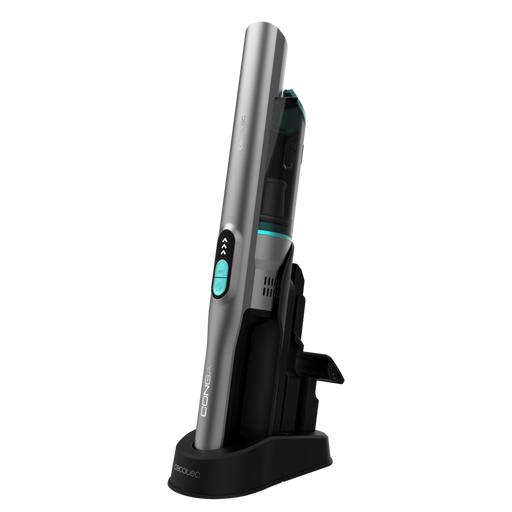
Why it suits this profile: A compact cordless option for quick cleaning sessions on furniture, in the car and around the bed.
Its stated suction power of 20 kPa, two settings and motorised upholstery nozzle tell you more than wattage alone.
16.8 V replaceable lithium-ion battery, up to 40 minutes’ running time according to the product information, and a light weight.
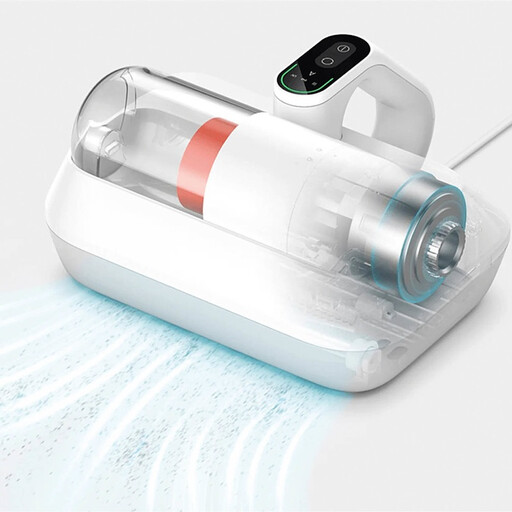
Why it suits this profile: A good choice if you want one device for mattresses, sofas, pillows and other textiles, with adjustable settings.
According to the product information, the UV lamp switches off when you lift the device, so you don’t have to rely on a marketing claim alone.
14 kPa suction power, four-stage filtration, a 0.5-litre dust container, three settings and 55 °C hot air according to the product specifications.
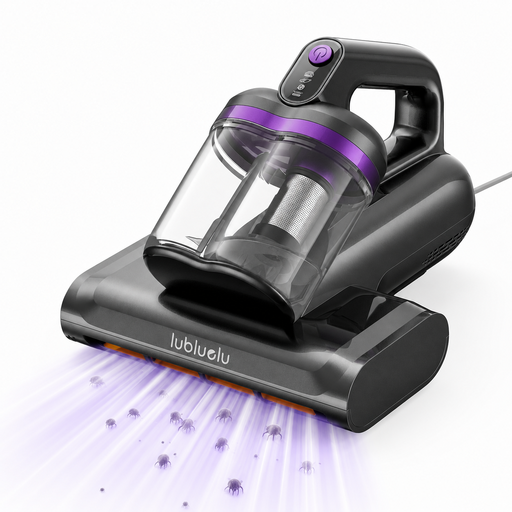
Why it suits this profile: A practical option if you regularly clean bedding, mattresses and upholstered furniture and don’t mind using a corded model.
Its stated suction power, cord length and air temperature make it clear what to expect, without assuming a cordless running time.
15 kPa suction power, a 650 ml dust container, a 4-metre cord and 55 °C hot air according to the product description.
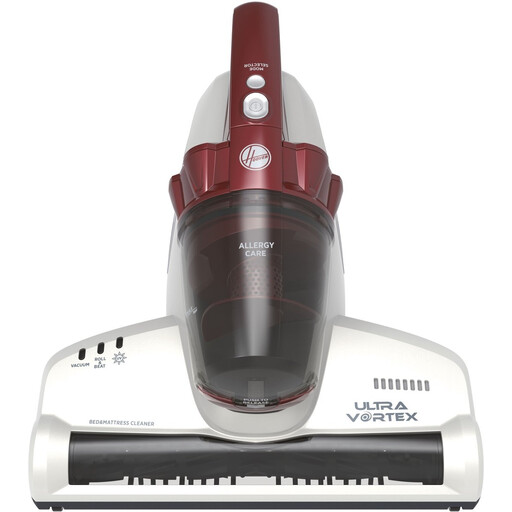
Why it suits this profile: Designed for dry textiles such as mattresses, sofas, pillows, duvets and carpets, where dust and pet hair can build up.
The Roll & Beat brush makes its cleaning action clear; treat the UV-C feature as one with brand-specific claims, not as a guarantee.
500 W motor, cyclone system, UV-C lamp and a weight of 2.3 kg according to the product specifications.
We’ve put together a complete, up-to-date list of products that meet these strict selection criteria and the applicable European safety requirements.
An allergy vacuum cleaner or upholstery vacuum cleaner can help you clean textiles regularly, but it’s no substitute for ventilation, washing or professional advice if symptoms persist. These products can pick up dust and allergens, but you shouldn’t assume they have a medical effect.
A mattress vacuum cleaner can pick up dust, skin flakes and other dirt from textiles. Models with UV-C, vibration or hot air sometimes list additional anti-mite features. According to the brand’s own research, specific reduction percentages may be quoted, but results at home depend on how you use the device, the material and maintenance. Regular washing and thorough drying remain important.
It depends on whether you have pets, how much dust builds up and how often the bed is used. A quick clean every few weeks may be practical. If there’s a lot of pet hair or you use the bed heavily, you may need to vacuum more often. Always follow the manufacturer’s care advice for filters and brush rolls.
With a corded model, your main costs are electricity and replacement filters. With a powerful cordless handheld vacuum, you’ll also need to consider the battery’s lifespan. Before you buy, check the price and availability of filters, brushes and any replacement batteries. A larger dust container can also mean less maintenance when cleaning several mattresses and sofas.
