
当日/次日达

品质保障

开启新人专享福利: 全场免邮 | 低至 2 折 | 免费试用 30 天 JoyPlus 会员
下载 Joybuy
A mattress, pillow or sofa can hold a lot of dust, skin flakes, pet hair and other dirt. A standard vacuum cleaner with an upholstery nozzle helps with surface dirt, but a mattress vacuum cleaner is specially designed for textiles. Even so, not every model is suitable for the same task.
If you only look at high suction power or a striking UV lamp, you may end up paying more than necessary. The following three pitfalls are common:
Models in this category may list 12 kPa, 14 kPa, 15 kPa or 18 kPa, for example. A higher figure can help loosen fine dust and hair from textiles, but only compare figures when they have been measured in the same way.
Also look out for:
A brush that loosens the fabric may be more practical on a mattress or sofa than simply having extra motor power. A lower setting is useful for delicate fabrics.
For households with pets, allergies or sensitivity to dust, filtration is an important consideration. A multi-stage cyclone filter, metal mesh and filter cartridge can separate different particle flows. Also check whether the product specifically states that it has a HEPA filter. Not every model with a multi-stage filter includes HEPA.
A washable filter reduces the number of disposable components, but it must be completely dry before you put it back. Also check the container capacity. A 300 ml, 500 ml or 650 ml container determines how often you need to stop. Empty the container outdoors or carefully over a sealed bin to limit dust being stirred up.
Some models use warm air at 50, 55 or 65 °C. According to the product description, this is intended to help dry textiles after cleaning. Only use this function in accordance with the instructions and take care with materials that are sensitive to heat.
With a UV-C mattress vacuum cleaner, the lamp should switch off automatically when the appliance is lifted. Check whether a safety sensor is mentioned. Never point UV-C at people, animals or plants, and do not look into the lamp. Do not use the function on a damp surface. A UV lamp does not automatically make a surface hygienic; regular washing, airing and vacuuming are still necessary.
For liquids or stains, you need a different type of upholstery cleaner. A dry-working anti-mite vacuum cleaner is not intended for picking up spilt drinks or wet cleaning products.
The recommendations below are based on verifiable product specifications such as suction power, wattage, filter type, container, heating function and intended use. Brand information about reducing mites or bacteria is presented as a product claim, not as a guaranteed result.
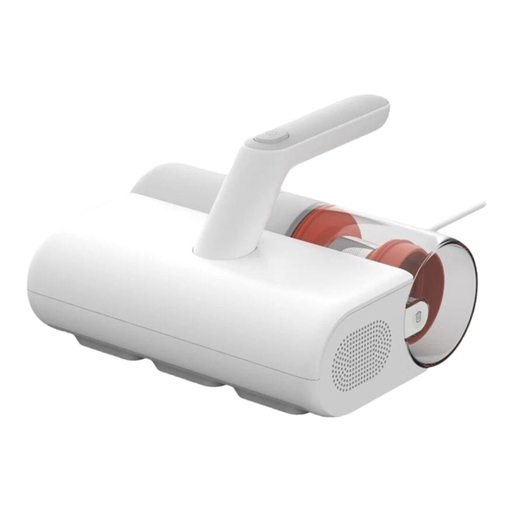
Why it suits this profile: This model offers a straightforward way to dry-clean mattresses, pillows, blankets and sofas. The fixed 2-metre cable is suitable for use near a socket.
The specifications state 12,000 Pa suction power, 50 °C warm air and a four-stage filtration system. However, check that the lack of a HEPA filter meets your expectations.
1.63 kg, bagless design, washable filter and UV function according to the product description.
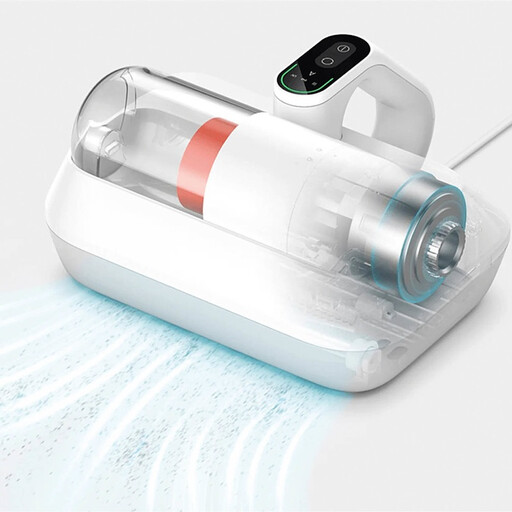
Why it suits this profile: The combination of multiple settings, intelligent detection and comprehensive filtration suits anyone who wants to maintain mattresses and upholstered furniture regularly.
The product information mentions four-stage filtration, a UV safety sensor and automatic adjustment in smart mode. The stated UV results are based on Xiaomi’s own research and are not a universal guarantee.
14 kPa suction power, 0.5-litre container, 55 °C warm air and a 20 cm nozzle.
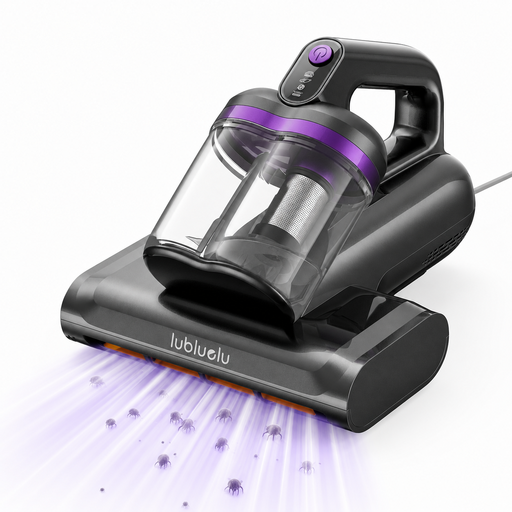
Why it suits this profile: This model is designed for larger textile surfaces and more intensive use in bedrooms, on sofas and on other upholstered furniture.
The combination of 15 kPa suction power, a 14 cm brush and 650 ml dust capacity reduces interruptions when cleaning larger surfaces. The stated effectiveness against mites and allergens comes from the brand’s product description.
55 °C warm air, 4-metre cable, stated maximum noise level of 72 dB and a power rating of 500 W.
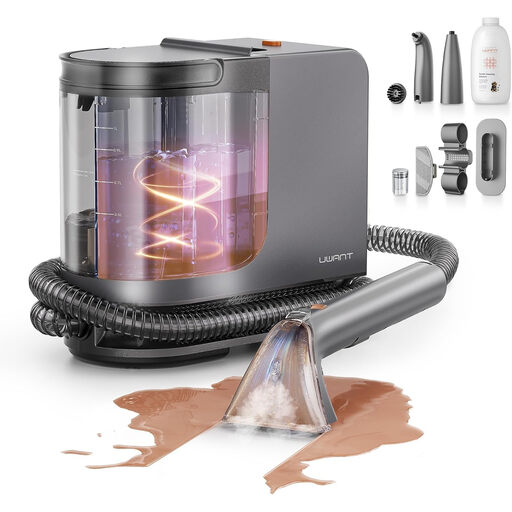
Why it suits this profile: This is more of a wet-and-dry upholstery cleaner than a traditional dust-mite vacuum cleaner. The model is suitable for sofas, carpets, car interiors and stained textiles.
You are not paying for a UV function you do not need. The dual water-tank design is intended for cleaning with liquid; do not use this type as a dry UV-C mattress vacuum cleaner.
600 W power, stated suction power of 18,000 Pa, 14 cm-wide brush and a noise level of approximately 75 dB according to the product information.
We have put together a complete, up-to-date list of products that fully meet these strict selection criteria and the applicable European safety regulations.
A handheld mattress vacuum cleaner can be useful for pillows and small surfaces. For an entire bed or several sofas, a larger container, wide nozzle and longer cable are often more important than a compact size.
A mattress vacuum cleaner can remove dust, skin flakes and other dirt from textiles. Some brands also claim effectiveness against mites through UV-C, vibrations or warm air. According to the relevant brand’s own research, percentages may be quoted, but the result is not the same in every situation. Washing washable bedding, drying it properly and ventilating the bedroom are still necessary.
This depends on usage, pets and sensitivity to dust. A practical schedule is approximately once a month for a normally used mattress, and more often if you have pets or a lot of dust in your home. Always follow the mattress manufacturer’s care instructions.
With corded models, you mainly pay for electricity and filter maintenance. The power rating of the models mentioned is around 300 to 500 W. The actual cost depends on the electricity price and how long you use the appliance. Also take filters into account: some product descriptions recommend replacing them after a few months, while others are washable. Check the availability and price of replacement parts in advance.
