
Vandaag of morgen in huis

Kwaliteit gegarandeerd

Welkomstaanbiedingen ontgrendelen: GRATIS bezorging | Tot 80% korting | Gratis 30 dagen JoyPlus-proefperiode
Download de app
A fresh bedroom is important, but what's hiding unseen in your mattress? For many with dust mite allergies, asthma, or pets, a clean bed is essential for a good night's sleep. A special mattress cleaner seems like the solution, but the market is flooded with models that promise more than they deliver. As a Joybuy Product Recommendation Officer, I'll help you see through the marketing jargon and choose a model that actually works. Let's look at the three most common pitfalls.
Many manufacturers advertise a UV vacuum cleaner that supposedly kills bacteria and dust mites. While UV-C light can indeed have a disinfecting effect, its effectiveness is highly dependent on the duration and intensity of exposure. A cheap cleaner that you quickly pass over the mattress doesn't give the lamp enough time to do its job. Furthermore, there are safety risks; direct contact with UV-C light is harmful to the skin and eyes. A model without a proper safety sensor that turns off the lamp when you lift it is not recommended.
A display, hot air, all sorts of brushes... it sounds impressive. But the core function of an anti-dust mite vacuum cleaner is and always will be suction. Dust mites and their allergens cling deep within the fibres of your mattress. Without powerful suction, expressed in Pascals (Pa) or kiloPascals (kPa), you're only removing surface-level dirt. Models with a suction power of less than 12 kPa often struggle to effectively remove deeper particles.
What's the point of a powerful vacuum if it blows the captured allergens back into the air through its exhaust? This is a common problem with devices that lack a well-sealed, high-quality filtration system. For anyone needing a vacuum for allergies, this is a crucial point. A device that doesn't properly purify the air can actually worsen symptoms.
To avoid a bad purchase, focus on the specifications that truly matter. Here are the three most important points to check before buying a mattress vacuum cleaner.
As mentioned, suction power is fundamental. Look for a model with at least 12,000 Pa (12 kPa). This is necessary to pull allergens, skin flakes, and other fine dust from the deeper layers of textiles. Just as important is a tapping or vibration function. This function vibrates the mattress at a high frequency (thousands of times per minute) to loosen embedded dirt and dust mites, allowing the vacuum to suck them up. The combination of tapping and powerful suction is the most effective approach to clean your bed of dust mites.
A good filtration system is indispensable, especially for allergies. A HEPA filter (High-Efficiency Particulate Air) captures the smallest particles, such as pollen, fine dust, and dust mite droppings, preventing them from recirculating in the room. Check if the device has a sealed, multi-stage filtration system with a washable or replaceable HEPA filter.
Although a UV lamp isn't a silver bullet, it can be a helpful addition when combined with other features. A good UV vacuum cleaner has a safety sensor and a lamp with sufficient strength. An even more practical feature is the hot air function. This blows warm air (usually around 50-65°C) into the mattress. This not only helps to dry the mattress and reduce moisture but also creates an inhospitable environment for dust mites, which thrive in humid climates.
Based on these criteria, we have selected a number of models that suit different user profiles.
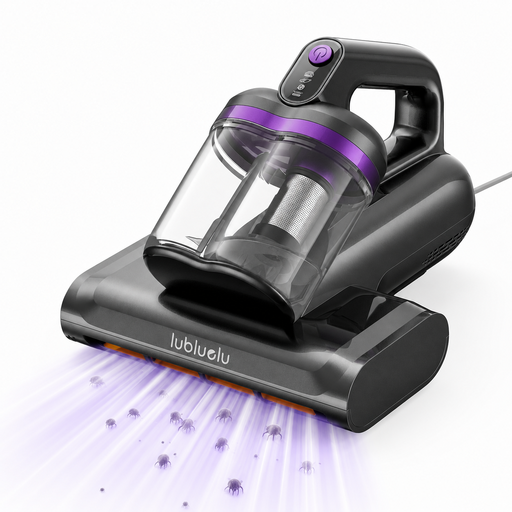
Why This Fits Their Persona: Ideal for those who want to try a mattress cleaner without breaking the bank. This model offers the essential features at a competitive price, perfect for experiencing what a deep clean can do for your sleep.
This model bypasses the pitfall of weak suction. With 15 kPa, it offers more power than many more expensive competitors, ensuring effective dirt removal.
Powerful suction and a 55°C hot air function for a hygienic result. The large 650 ml dust cup requires less frequent emptying.
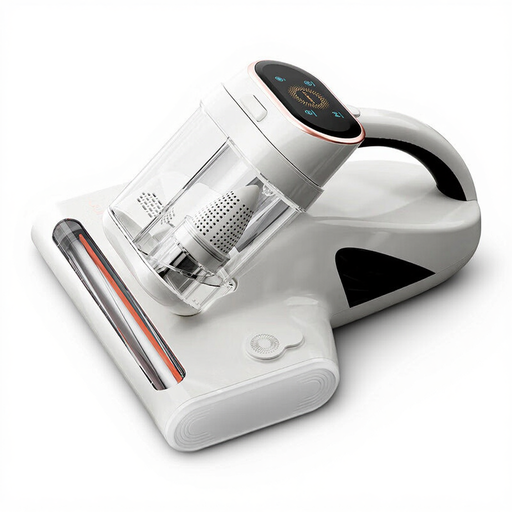
Why This Fits Their Persona: For families where allergies are a serious concern, this model offers smart features that make a difference. It provides direct insight into the cleaning process and is designed for consistent performance, clean after clean.
The patented dual dust cup separates coarse debris from fine dust, which prevents the HEPA filter from clogging quickly. This avoids the pitfall of diminishing suction power and poor filtration.
The smart LED display shows the amount of dust mites detected, so you know when an area is truly clean. The combination of 13 kPa suction, a tapping function, UV-C, ultrasonic waves, and hot air provides a thorough attack on allergens.
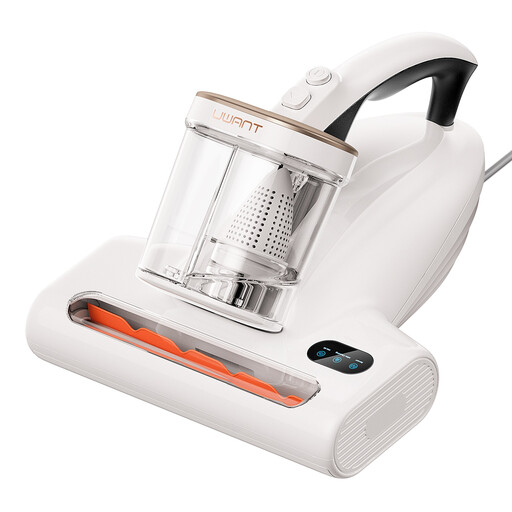
Why This Fits Their Persona: For those who want no compromises and are looking for maximum cleaning power. This model is suitable for intensive use, for example in households with pets or for people who strive for the highest hygiene standard.
This model far exceeds the basic requirements. With a very high suction power of 18 kPa and a tapping frequency of 60,000 times per minute, it tackles even the most stubborn, deep-seated dirt.
Top-tier performance with 18 kPa suction power and a 65°C hot air function. Like the M300, this model features a smart display and a dual dust cup for durable, powerful performance.
We have compiled a complete, up-to-date list of products that fully meet these strict selection criteria and Dutch safety regulations.
To maintain a hygienic mattress, it is recommended to use the mattress cleaner once every one to two weeks. If you suffer from severe allergies or have pets that sleep on the bed, weekly use can help keep allergen levels low.
Yes, provided the device is used correctly and is equipped with the proper safety features. A quality UV vacuum cleaner has a sensor that automatically turns off the lamp as soon as the device is lifted from the surface. Never point the lamp at the skin or eyes of people or animals. Always read the manufacturer's safety instructions.
A regular vacuum cleaner is designed for floors and surfaces. A mattress cleaner is specifically designed for textiles. The main differences are:
