
Livraison le jour même et le lendemain

Qualité garantie

Débloquez vos offres de bienvenue: Livraison GRATUITE | Jusqu'à -80 % | 30 jours d'essai gratuits à JoyPlus
Téléchargez l'application
A matte lip tint often combines the colour intensity of a matte lipstick with the lightweight texture of a lip tint. This type of Korean lip make-up is suitable for everyday wear, as well as creating a statement look for an evening out. However, it can be difficult to tell the difference online between a velvet lip tint, a soft matte lip tint, lip mud and classic liquid lipstick.
The product name doesn’t tell you everything. Pay particular attention to the formula, colour intensity and information about wear time. This can help you avoid a tint that feels too dry, looks different from what you expected or fades quickly.
‘Matte’ mainly describes the look: little shine and a soft, even finish. It doesn’t automatically tell you how comfortable the product feels to wear. Check whether the description mentions a lightweight, creamy or hydrating formula. If your lips are dry, a very drying formula may make flaky patches more noticeable.
Look out for ingredients such as silicones, emollients and oils, too. These may help the product feel smoother, but their exact effect varies from one formula to another and from person to person. A product description can’t guarantee comfort for every user.
According to the product descriptions from various brands, some lip tints can leave a stain and resist fading or transferring. This doesn’t mean the colour will stay completely intact in every situation. Oily food, drinks and friction can all affect the finish.
Look for specific details such as transfer-resistant, a stain effect or buildable colour. In practice, a tint that fades gradually is often easier to touch up than a highly pigmented matte lipstick that wears off unevenly.
A shade name such as ‘Roasted Red Pear’, ‘Dragon Wood’ or ‘Terracotta Red’ gives you a general idea, but there’s no guarantee it will look exactly the same on your lips. Your natural lip colour, undertone and the amount of product you apply can all affect the final shade.
A thin layer can create a soft red or terracotta lip colour. More layers usually give a more intense look. Check whether the product description mentions a buildable wash of colour or buildable colour.
Choose a formula based on how you want it to feel:
For everyday wear in the UK, a lightweight texture can be comfortable if you want to wear colour on your lips for several hours without a heavy feel.
Red shades are versatile, but there’s a noticeable difference between cool red, brick red, brown-red and terracotta. Use this practical guide:
The shade name and product image are only guides. Where possible, look at several photos and bear in mind that colours can look different on different screens.
A transfer-resistant lip colour may be less likely to smudge, but always check the instructions and product information. Some brands describe their formulas as long-lasting, stain-resistant or non-drying in their own product descriptions. Treat these as brand claims, not guaranteed results.
If you’re looking for a hydrating lip tint, look out for terms such as ‘hydrating’, ‘comfortable wear’ and ‘without drying or flaking’. Your experience will still be personal. If your lips are dry, apply a thin layer of lip balm beforehand and remove any excess before using the tint.
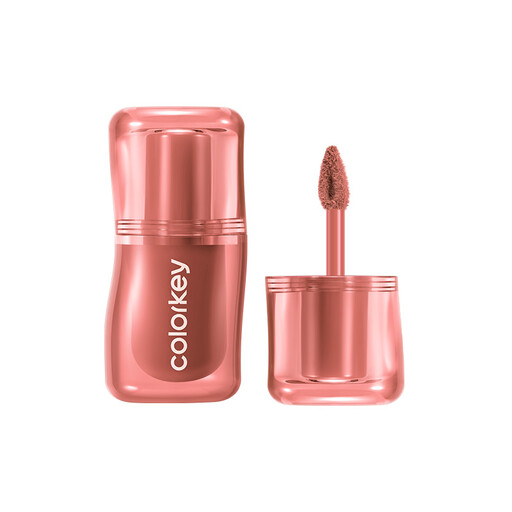
Why it suits this profile: The soft rose shade works well for a natural everyday look. The product name describes it as a creamy matte lip mud.
The shade name gives you a clear idea of the colour in advance: Rose Bean. Apply a thin layer first to avoid an overly intense result.
M03 Rose Bean shade; creamy matte lip mud format; can be applied subtly or built up for more intensity.
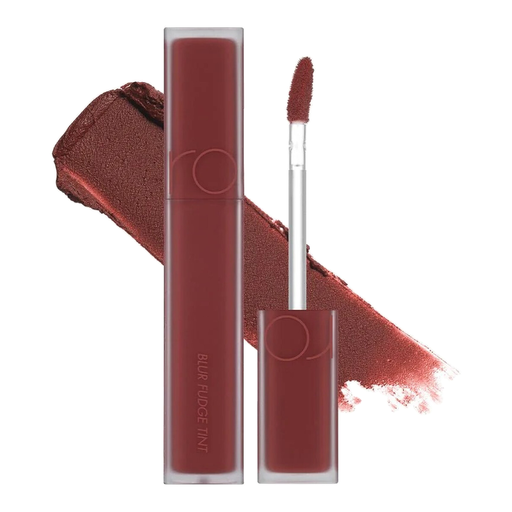
Why it suits this profile: The product description highlights a creamy, lightweight texture, a blurred matte finish and a deep, earthy brick-red shade.
The finish is specifically described as soft and blurred matte. That makes it a good option if you’re looking for a softer, less defined matte effect.
Shade 04 Dragon Wood; lightweight, creamy formula; deep earthy brick-red colour; described as a long-lasting lip colour.
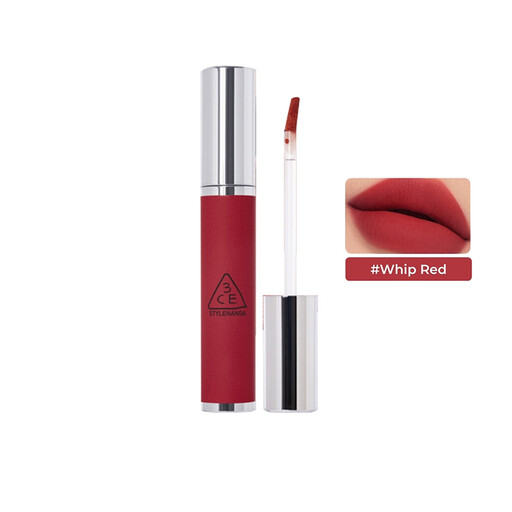
Why it suits this profile: The fresh red shade and lip mud format are ideal if you want a bold colour for special occasions or a more intense everyday look.
The description mentions buildable colour and a transfer-resistant formula. Start with a small amount and add layers as needed.
4 g; #WHIP RED; matte finish; described as lightweight and buildable, and designed to leave a stain.
We’ve put together a complete, up-to-date list of products that meet these strict selection criteria and current European safety requirements.
Always check the ingredients list, expiry information and warnings on the packaging before use. Stop using the product if irritation occurs.
It depends on the formula and your own lips. Choose a product whose description mentions a lightweight, hydrating or comfortable formula. A thin layer of balm beforehand may help, but too much balm can affect the wear time and matte finish.
Wear time varies depending on the formula, how much product you apply, and what you eat and drink. Brands may describe their products as long-lasting, stain-resistant or transfer-resistant in their own product descriptions. These are product claims, not a guarantee that the colour will stay unchanged all day.
A lip tint is often lighter and can give a sheer, buildable colour or leave a stain. Matte lipstick usually provides more coverage straight away. In terms of texture, lip mud and velvet tints sit somewhere in between: creamy to apply, then soft matte or blurred once dry.
