
Vandaag of morgen in huis

Kwaliteit gegarandeerd

Welkomstaanbiedingen ontgrendelen: GRATIS bezorging | Tot 80% korting | Gratis 30 dagen JoyPlus-proefperiode
Download de app
Matcha snacks are popular with fans of Japanese flavours, green tea and sweet treats. The range includes everything from matcha biscuits and matcha chocolate to wafers, little cakes and freeze-dried ice cream. However, a green packet doesn’t automatically tell you how much matcha it contains, where it comes from or what it tastes like.
When shopping online, it pays to look out for a few specific product details. That way, you can avoid a snack that tastes mainly of sugar or artificial flavourings, a portion that’s smaller than expected, or a shelf life that doesn’t suit your needs.
Some Japanese sweets and green tea snacks use matcha powder alongside cocoa, milk powder, sugar and flavourings. The resulting taste can be mild, creamy or predominantly sweet. So check the ingredients list for matcha or matcha powder. Ingredients are usually listed in descending order. If matcha appears late in the list, the flavour is likely to be more subtle.
Also note the difference between matcha, green tea and a generic “tea flavour”. These are not automatically the same ingredients.
Always check the net weight and the number of pieces. A pack of 9 bars, for example, is handy for sharing, but it tells you nothing about the weight per bar. Individually wrapped items are practical for on the go, at the office or in a gift set. With larger boxes of cakes or biscuits, it’s important to know whether the packaging can be resealed properly after opening.
Chocolate snacks are sensitive to heat, moisture and surrounding odours. Some imported products also have a shorter remaining shelf life. For products with a short shelf life, check the best-before date on the packaging. Store matcha chocolate and matcha biscuits in a cool, dry place, away from direct sunlight. Products with a crunchy texture can go soft if the packaging is left open.
For UK shoppers, clear allergen information is especially important. The range includes wheat, milk and soya. Some products may also be made on equipment that processes eggs, almonds or sesame. So always check the actual packaging, particularly if you have an allergy or food intolerance.
Also consider the base of the snack:
Matcha can taste grassy, earthy, slightly bitter or creamy. When combined with white chocolate, it often produces a sweeter flavour. Dark chocolate, on the other hand, can offer more contrast. If you’re new to matcha, you might start with a product that pairs matcha with white chocolate or a soft filling. Experienced fans can look for dark matcha or products that contain both matcha powder and green tea powder.
According to Nestlé’s product description, the KitKat Dark Matcha is made with Japanese Uji matcha. That’s a brand or product claim; the exact taste still depends on the recipe and personal preference.
Matcha snacks are sweet treats, not a meal replacement. Compare the nutritional values per 100g when you’re weighing up different products. In the product information provided, values range from 418 to 566 kcal per 100g. Also look at the number of pieces and the weight per piece. Individual portions can help you share more mindfully or take a snack with you.
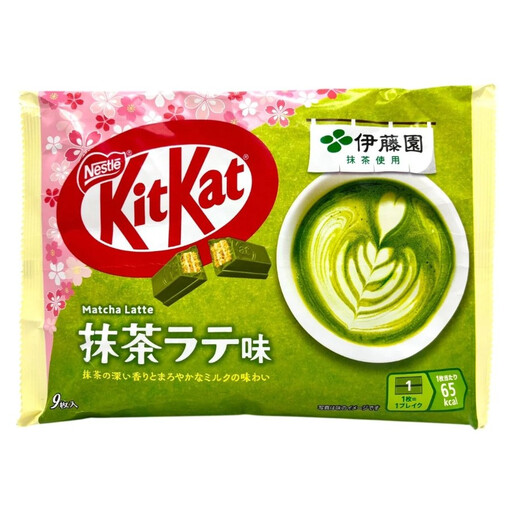
Why it fits this profile: The pack contains 9 individually wrapped bars. This makes it an accessible choice for trying matcha, sharing or taking with you.
The number of pieces and the ingredients are clearly stated. The flavour combines a white chocolate layer, wafer and matcha, so you shouldn’t expect a pronounced pure matcha taste.
9 individually wrapped bars; contains wheat, milk and soya according to the product information.
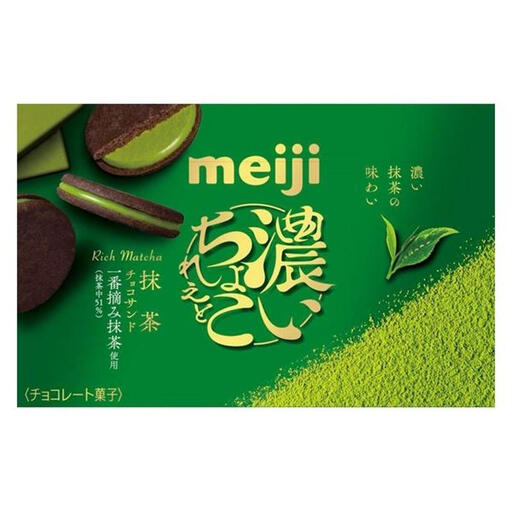
Why it fits this profile: The combination of two biscuits with a creamy matcha filling suits those who focus on texture and a layered chocolate experience with tea or coffee.
The product description mentions the biscuit texture, filling and storage below 28 °C. Check the actual packaging for ingredients and shelf life.
96 grams; sandwich of crispy biscuits with matcha chocolate filling; contains wheat, milk and soya.
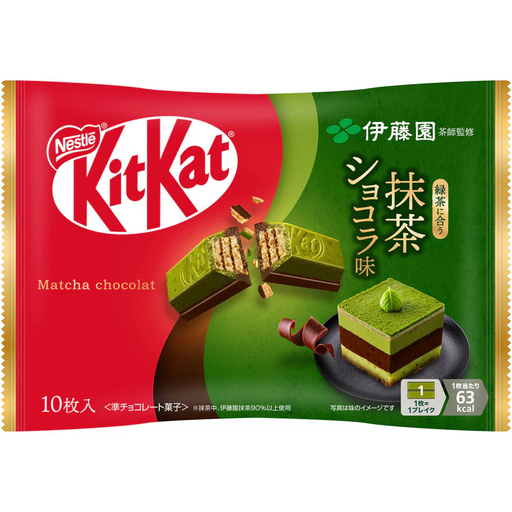
Why it fits this profile: With 7 bars totalling 79.1g, this is suitable for those who want to plan smaller portions and are looking for a darker matcha-chocolate combination.
The format stops you from relying solely on the box design: the number of bars and net weight are stated. The product description refers to matcha and green tea in the ingredients.
7 individual KitKat bars; net weight 79.1 grams; contains wheat, milk and soya according to the product information.
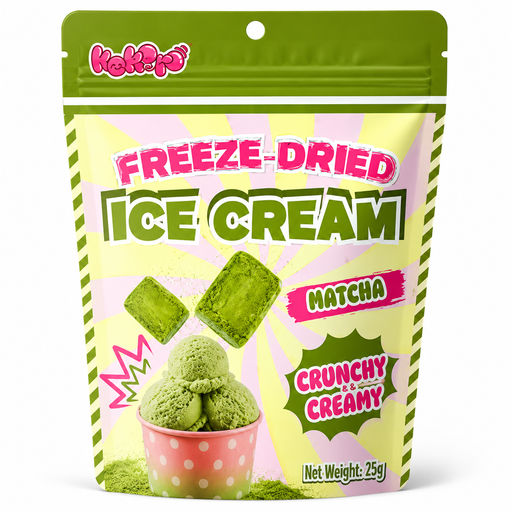
Why it fits this profile: According to the product description, this snack is freeze-dried and doesn’t need refrigeration. That makes it ideal for travel, a lunchbox or a surprise gift set.
You’re not buying a regular chilled ice cream tub: this is a 25g product with a crunchy texture. After opening, the packaging must be sealed tightly to keep moisture out.
Freeze-dried matcha ice cream snack; 25 grams; no fridge needed; contains milk according to the product information.
We’ve put together a full, up-to-date list of products that fully meet these strict selection criteria and comply with current European safety regulations.
For the best texture, store matcha chocolate, matcha cookies and matcha biscuits:
Serve Japanese matcha snacks with black tea, green tea or coffee. A sweet white chocolate snack can pair well with a milder drink, while dark matcha offers more contrast. Always check the current ingredients, allergens, nutritional values and best-before date on the product page and packaging before you buy.
No. Some products, such as certain KitKat and Meiji items, are sold as Japanese products or list Japan as the country of origin. Other matcha desserts and biscuits in the range come from China, for example, or have a different stated origin. Check the country of origin for each product.
Matcha and green tea can naturally contain caffeine, but the amount varies by recipe and portion. The product information provided does not list a caffeine content for all snacks. If you want to limit your caffeine intake, you can consult the manufacturer or the actual packaging.
That depends on the type of snack and the packaging. Wafers and biscuits lose their crunchy texture more quickly due to moisture. So store opened products tightly sealed and follow the storage advice on the label. For products with a short shelf life, the stated best-before date is the one to follow.
