
Vandaag of morgen in huis

Kwaliteit gegarandeerd

Welkomstaanbiedingen ontgrendelen: GRATIS bezorging | Tot 80% korting | Gratis 30 dagen JoyPlus-proefperiode
Download de app
Matcha snacks are hugely popular among fans of Japanese flavours, green tea and unusual sweets. However, a green packet doesn't always tell you much about the taste, the amount of matcha, or whether it's right for your needs. If you order without checking the product information, you could end up with a snack that's too sweet, goes soft quickly, or contains allergens you weren't expecting.
As a Joybuy Product Recommendation Officer, I filter product information based on practical points. That way, you can see more quickly which matcha snacks suit a coffee break, a gift hamper, an office stash or a snack on the go.
With some products, the flavour comes mainly from flavouring, green tea extract or a sweet filling. So look at the ingredients list and, where available, the quantitative ingredient declaration. For example, Franzzi Matcha Cookies states a minimum of 0.5% matcha powder, while Garden Mini Cookies indicates 1.9% matcha.
A higher percentage doesn't automatically mean the flavour will suit you better. It does, however, give you a verifiable point of comparison. If you're looking for a distinct tea flavour, you can also pay attention to the combination of matcha powder, green tea and added flavourings.
Matcha mochi, matcha biscuits, matcha sweets and matcha chocolate each have a different mouthfeel. Mochi is soft and elastic, whereas biscuits and cookies should be crunchy. Products with a creamy filling can become softer in warm conditions. So check the storage instructions and how the packaging should be sealed after opening.
A box with individually wrapped portions is handy for sharing or taking with you, but the price per 100g can be higher. As well as the total price, compare the net weight, the number of pieces and the best-before date. Some Japanese treats also come with a warning about a short remaining shelf life.
Check whether matcha or green tea actually appears in the ingredients and in what position. Ingredients are usually listed in descending order by quantity. Products with milk powder, white chocolate or sugar as the main ingredients often taste milder and sweeter than snacks where matcha appears higher up the list.
Examples:
These percentages are product specifications, not a judgement of taste or quality.
Many matcha snacks contain milk, soya, wheat or gluten. Mochi with a creamy filling often contains milk and soya; biscuits and cookies usually contain wheat. Always check the actual label, especially if you have an allergy or intolerance. The packaging may contain more or different information than an online product page.
Also look at the nutritional information per 100g. Matcha biscuits and matcha chocolate can be high in energy due to sugar, fats and fillings. A product with less sugar per 100g may also contain sweeteners. This is stated, for example, on some biscuit sticks.
Pay attention to three practical points:
For on-the-go snacking, individually wrapped sweets or KitKat sticks are practical. For enjoying at home with tea or coffee, biscuits, mochi and a matcha dessert work better when you want to combine different textures.
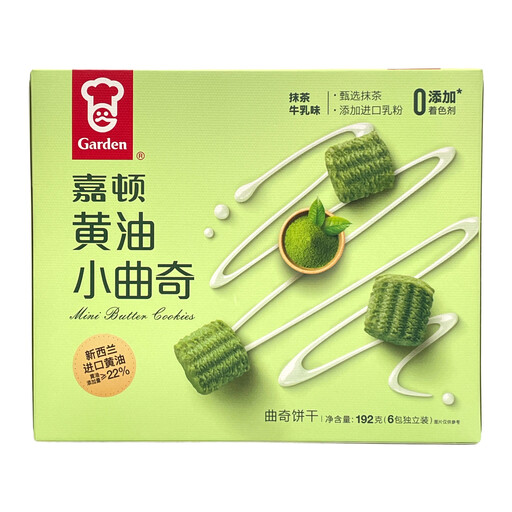
Why this fits the profile: The 192g packet is ideal for sharing at home or planning several snack sessions. The flavour description combines matcha with a creamy note.
The matcha content of 1.9% is stated in the product information, so you don't have to rely solely on the front of the packet.
192 g net weight; crunchy biscuits; wheat listed as an allergen.
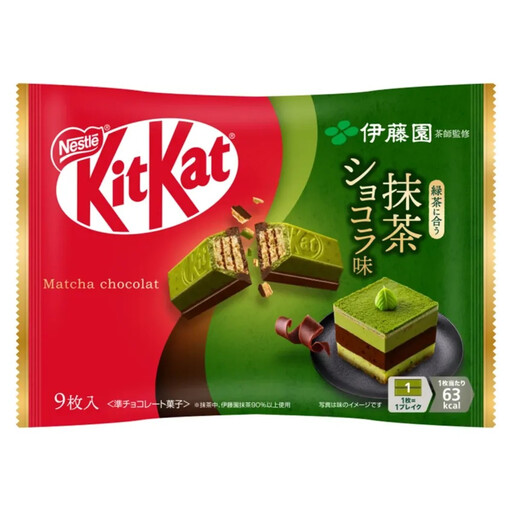
Why this fits the profile: This Japanese matcha snack contains nine individually wrapped bars. It's ideal as a gift, for a tasting session, or for spreading out your snacking.
The product information states the net weight, the number of bars and the allergens. This allows you to compare the packaging and contents in advance.
104.4 g; nine individually wrapped pieces; combination of matcha, chocolate and wafer.
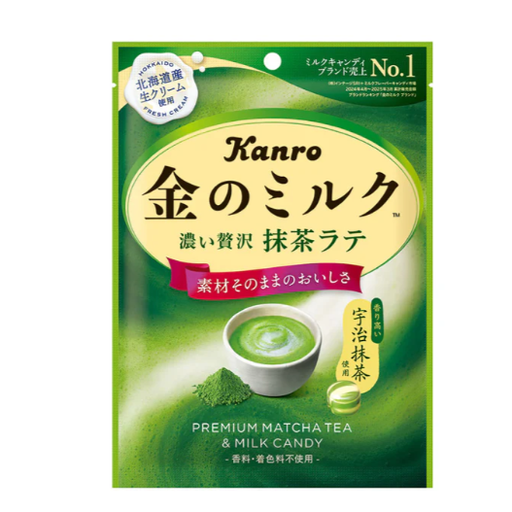
Why this fits the profile: Individually wrapped sweets are easy to take to work, keep in your bag, or hand out during a long day.
The packet contains individually wrapped sweets. This limits exposure to moisture after opening the outer packaging.
61 g; milky matcha latte flavour according to the product description; contains milk.
We've put together a full, up-to-date list of products that fully meet these strict selection criteria and comply with current European safety regulations.
Crunchy matcha biscuits, matcha cookies and matcha chocolate go well with hot drinks. For a softer texture, you can choose matcha mochi. With mochi, pay attention to the storage instructions and consume the product after opening according to the label.
Matcha and green tea can naturally contain caffeine, but the amount varies per product and serving. Not every product page states the caffeine content. So check the packaging or ask the manufacturer for up-to-date information. Don't rely on matcha snacks as a substitute for a food or drink with a guaranteed caffeine content.
Store unopened products in a cool, dry place, out of direct sunlight. Seal biscuits and cookies airtight after opening. Some mochi, such as products with a green tea paste, need to be refrigerated after opening and eaten within a few days. The information on the actual packaging is what you should follow.
