
Vandaag of morgen in huis

Kwaliteit gegarandeerd

Welkomstaanbiedingen ontgrendelen: GRATIS bezorging | Tot 80% korting | Gratis 30 dagen JoyPlus-proefperiode
Download de app
The popularity of matcha is undeniable. From lattes to desserts, its vibrant green colour and unique flavour are popping up everywhere. This is also true in the snack aisle, where a growing range of matcha snacks can be found. But not every snack with a green coating delivers the authentic experience you're looking for. Many buyers are disappointed by a vague, artificial taste or an unexpected texture.
Before you fill your shopping cart, it's helpful to know the common pitfalls. This will help you avoid a bad purchase and choose a product that truly suits your taste.
To be sure of your choice, there are a few concrete specifications you can check. These will help you look past the marketing and objectively assess the quality of Asian candy.
An authentic matcha flavour comes from real tea powder. Therefore, always check the ingredient list.
The world of Japanese snacks is diverse. Know what type of snack you prefer to avoid disappointment.
Safety and clarity are paramount. Always check the allergen list, which is usually bolded or listed separately. Common allergens in Asian snacks include wheat (gluten), milk, soy, eggs, and various types of nuts. A clear declaration of these shows that the manufacturer is transparent.
To get you started, we've highlighted a few products that suit different preferences. These recommendations are based on their product specifications and the clarity of their information.

Why This Fits Their Persona: Perfect for those trying matcha snacks for the first time. The familiar shape of a crispy biscuit stick is approachable, and the creamy matcha coating offers a balanced, non-overpowering flavour.
The texture is exactly what you'd expect: a crispy cookie. The ingredient list explicitly mentions matcha powder (10%), which guarantees an authentic flavour and avoids the pitfall of artificial aromas.
The iconic Pocky shape is easy to eat and share. The balance between the sweetness of the coating and the neutrality of the biscuit makes it a very accessible Japanese snack.
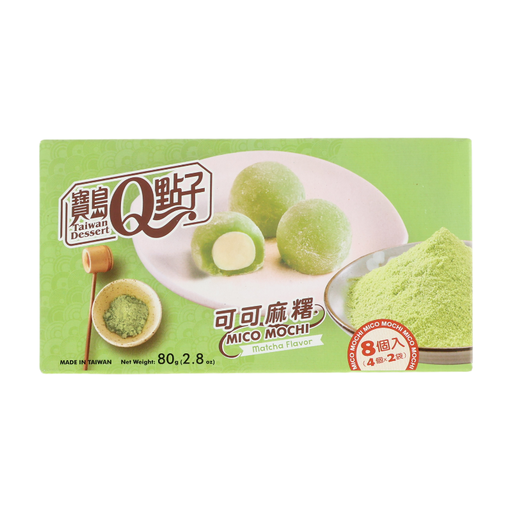
Why This Fits Their Persona: Ideal for those who love the unique, soft, and chewy texture of mochi. This product combines the traditional sticky rice cake with a creamy matcha filling and a subtle cocoa flavour on the outside.
The product name "Mochi" immediately sets the right expectation for the texture. The ingredient list is clear about the composition of the filling and the dough, so you know exactly what you're buying.
Offers an authentic Taiwanese dessert experience. The individually wrapped pieces are convenient for maintaining freshness and easy to take with you as a treat.
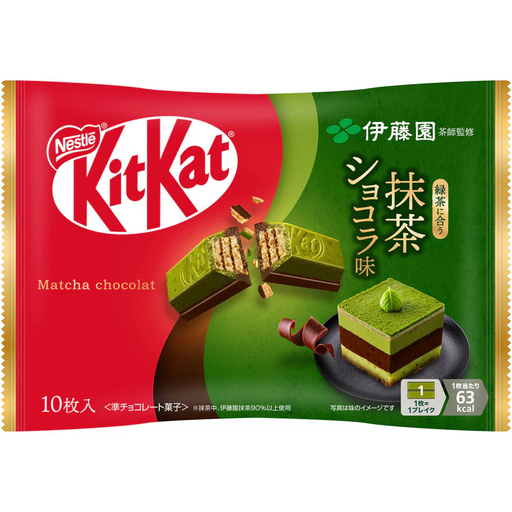
Why This Fits Their Persona: For those who already love matcha and appreciate a deeper, less sweet flavour. The combination of "dark" matcha with KitKat's crispy wafer creates a complex and mature flavour profile.
This product specifically targets a richer, more bitter matcha experience, thus avoiding the pitfall of an overly sweet, artificial taste. The description emphasizes the use of Uji matcha powder, a sign of quality.
Offers an authentic Japanese KitKat variety that is less common. The individually wrapped bars are ideal for a controlled moment of indulgence.
We have compiled a complete, up-to-date list of products that fully meet these strict selection criteria and applicable regulations.
Although matcha is popular worldwide, Japanese snacks often have a deeper connection to traditional flavours. They more frequently use specific types of matcha, such as from Uji, and are masters at creating unique textures like those of mochi and Pocky. Products from other regions can sometimes be more adapted to a Western palate, with a higher sugar content.
Most matcha snacks are best stored in a cool, dry place, away from direct sunlight. Chocolate coatings, like on Pocky matcha and KitKats, can melt in the heat. Mochi can harden quickly after opening, so it is advisable to consume it immediately or store it in an airtight container. Always consult the storage instructions on the packaging.
This varies greatly by product. Some matcha chocolate and cookies are very sweet to balance the bitter notes of the tea. Other products, especially those with "dark" or "rich" matcha, focus on the earthy, umami flavour and are significantly less sweet. A look at the nutritional information table, specifically the amount of sugar per 100 grams, can give you a good indication.
