
Vandaag of morgen in huis

Kwaliteit gegarandeerd

Welkomstaanbiedingen ontgrendelen: GRATIS bezorging | Tot 80% korting | Gratis 30 dagen JoyPlus-proefperiode
Download de app
Making a creamy matcha latte at home seems simple: mix the powder with water or milk, give it a stir and it’s ready. Yet many buyers run into a few familiar pitfalls. For example, a bright green colour does not automatically indicate how much matcha a product contains. A pack can also look large, while sugar, creamer or milk powder makes up most of the ingredients.
With this practical buying guide, you can compare instant matcha latte, matcha latte powder and accessories based on ingredients, ease of use and serving size. This makes it easier to choose a matcha drink for warm mornings, a vegan option or a cold matcha cold brew.
Terms such as “Japanese matcha latte”, “double shot” or “creamy matcha” sound appealing, but they do not always indicate how much matcha the product contains. Check the ingredients list and the quantitative declaration of matcha. For example, Tsujiri Matcha Latte lists matcha as 2%. In Instant Matcha Latte 161 g, the proportion of green tea powder is 8%.
This difference can affect the intensity of the tea flavour. A mix containing lots of sugar or creamer is generally milder and sweeter than a product with a higher proportion of matcha powder.
If you are looking for a vegan matcha latte, don’t just look for the word “vegan”. Also check the sweeteners used, sugar content and any allergens. According to the product information, JENI Vegan Matcha Latte contains none of the 14 major EU allergens and uses vegan creamer, sugar and sucralose. The nutritional information lists 42 g of sugar per 100 g.
So a plant-based option may suit your diet while still having a sweet flavour.
Not every powder dissolves in the same way. Some products are designed for hot water, while others can also be mixed with cold milk or water. If you use an ordinary spoon, lumps may form. A bamboo whisk helps with traditional preparation, but it does require careful maintenance.
Start with the first three ingredients. If sugar or creamer comes first, matcha probably makes up only a small proportion of the mix. That is not necessarily a bad thing: a sweet instant matcha latte is particularly convenient for beginners. If you want a more distinctive matcha tea flavour, compare the matcha percentage and consider choosing a powder with less sugar and milk powder in the blend.
Also check for allergens such as milk, soya and cereals containing gluten. Tsujiri Matcha Latte contains milk, including in the form of cream powder and sodium caseinate. Ice Spring Matcha Cold Brew Soy Milk Powder contains soya and lists 2.5% matcha.
Sachets are practical for work, travelling or a set serving size. The Tsujiri pack contains 10 servings in 130 g. Ice Spring contains 10 sachets of 25 g, totalling 250 g. A larger bag or box, such as Gold Kili Matcha Latte Powder at 250 g, is better suited to daily use at home.
Compare not only the total price, but also the weight and the amount used per preparation. This helps you avoid paying more per serving for a smaller pack.
For a hot latte, you can mix the powder with hot water and then add milk. Do not use boiling water with a bamboo whisk; according to the TEANAGOO set’s product instructions, this can damage the material.
For a cold drink, solubility and preparation instructions are important. According to the product description, Kataoka Tsujiri Matcha Milk dissolves in water or cold milk. Ice Spring recommends 120 to 180 ml of room-temperature or cold water and states that a small amount of sediment is normal. Oatly Matcha Oat Drink can be served chilled, with ice or frothed to make a hot latte.
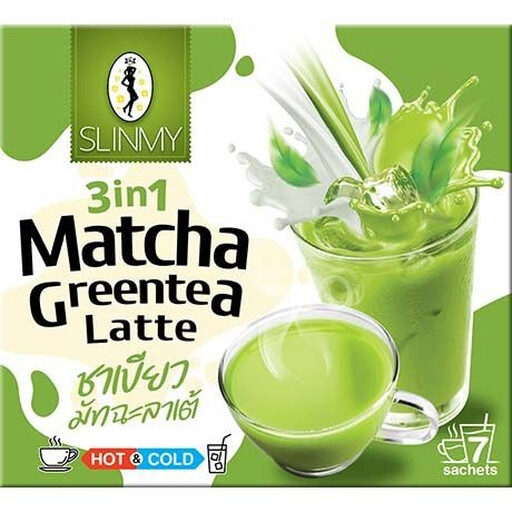
Why it suits this profile: This blend is designed for a quick latte with green tea and milk powder. It’s convenient if you want to get started without buying loose matcha and accessories.
The ingredients and nutritional information are clearly stated. The product contains 8% green tea powder, allowing you to compare the composition rather than judging it by colour alone.
161 g contents, instant preparation and milk powder in the blend. Please note: the product contains milk and lists 68 g of sugar per 100 g.
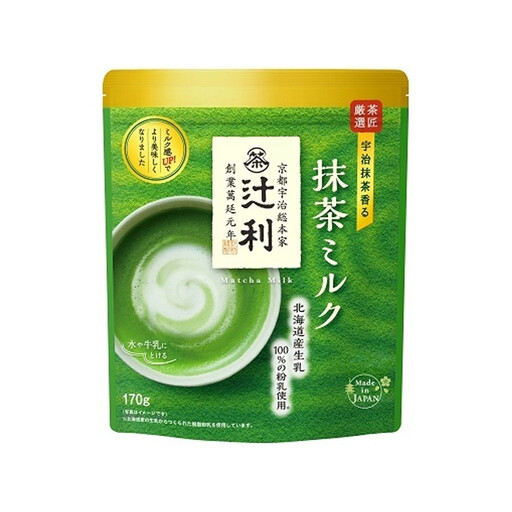
Why it suits this profile: According to the product description, this blend contains Uji matcha, Hokkaido milk powder and balanced sweetness. It is suitable for both hot and cold preparation.
The product information identifies the origin of the matcha and states that the powder also dissolves in cold milk. Before buying, check the current packaging for the latest ingredients and allergen information.
170 g contents and suitable for iced matcha milk. The description states 100% Hokkaido fresh milk powder, so the product contains milk.
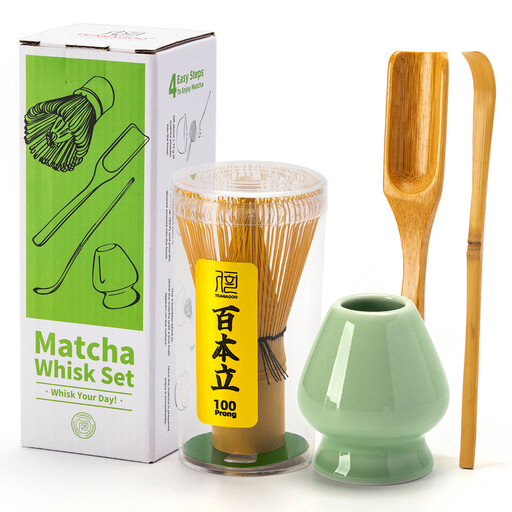
Why it suits this profile: Ideal if you regularly make matcha latte and want to control the amount of powder and the froth yourself. The set includes a chasen, chashaku, spoon and ceramic holder.
A whisk helps reduce lumps and gives you greater control over measuring. The bamboo components are not dishwasher-safe and must be allowed to dry completely in the air.
Includes 76 bamboo bristles, a holder and a scoop. Do not use boiling water and follow the care instructions on the packaging.
We’ve put together a complete, up-to-date list of products that fully meet these strict selection criteria and the applicable European safety regulations.
For a plant-based preparation, you can combine a vegan powder with water or plant-based milk. According to the product information, JENI Vegan Matcha Latte is suitable for preparation with hot water or plant-based milk. Oatly Matcha Oat Drink contains 0.8% organic matcha, is vegan and lactose-free according to the product description, and can be frothed.
Be aware of the difference between vegan matcha latte powder and ready-to-drink matcha milk. With powder, you control the amount of liquid and sweetness yourself. Chilled oat drink is quicker: shake, pour and add ice if you like.
Store opened powder in a dry, cool place in a tightly sealed container. The best-before date and any additional instructions are shown on the packaging. Clean a whisk with water and leave it to dry upright in its holder.
No. Matcha tea usually consists of matcha powder and water. A matcha latte also contains milk or a plant-based alternative, and often sugar, creamer or milk powder. Always check the ingredients and allergens.
This depends on the product instructions. Some instant mixes are suitable for cold water or cold milk. For example, Ice Spring Matcha Cold Brew Soy Milk Powder specifies preparation with cold water and ice. Stir well and be aware that some sediment may occur.
The exact shelf life is stated on the packaging. Store the powder according to the instructions: dry, cool, away from direct sunlight and tightly sealed after opening. Do not use the product if the packaging is damaged.
