
Vandaag of morgen in huis

Kwaliteit gegarandeerd

Welkomstaanbiedingen ontgrendelen: GRATIS bezorging | Tot 80% korting | Gratis 30 dagen JoyPlus-proefperiode
Download de app
Making a matcha latte at home can be simple, but not every mix offers the same balance of matcha, milk solids and sugar. A striking green packet, for instance, says very little about what’s inside. If you rely only on the colour or a well-known brand name, you could end up with a drink that tastes mostly of sugar, is difficult to dissolve, or doesn’t suit a vegan diet.
As a Joybuy Product Recommendation Officer, I filter product information based on practical points: ingredients, preparation method, portion packaging, allergens and nutritional values. This helps you see more quickly which matcha latte, instant matcha latte or matcha latte mix is right for home use, the office or on the go.
Matcha latte powder often contains sugar, milk powder, creamer and other ingredients alongside green tea. So always check the ingredients list and the stated percentage of matcha or green tea. For example, Tsujiri Matcha Latte states 2% matcha. Ranong Instant Matcha Green Tea Latte lists 9.7% matcha green tea powder in the product information.
A higher percentage doesn’t automatically mean the flavour will suit your taste, but it does help you compare products more objectively.
A creamy matcha au lait is often achieved with milk powder or creamer. At the same time, a mix can contain a fair amount of sugar. For instance, AGF Blendy CAFE LATORY states 39.1g of sugar per 100g. Instant Matcha Latte 161g lists 68g of sugar per 100g. So always check the nutritional information table and also look at the recommended serving size.
Not every plant-based creamer automatically makes a product suitable for vegans. Check whether it contains milk, lactose, casein or sodium caseinate. JENI Vegan Matcha Latte is offered as a vegan product and states it contains a vegan creamer. The product information also indicates that it contains none of the 14 major EU allergens. Still, always read the current label when you receive the product, as packaging and online information can differ.
For a more pronounced matcha green tea flavour, look at where matcha appears in the ingredients list and at the percentage. A product with matcha as a minor component will likely taste mostly sweet and milky. A mix with a higher proportion of green tea powder can have a more distinct tea flavour.
Also pay attention to extra ingredients such as:
Brands may use flavour or quality claims on their packaging. According to its own product information, Nittoh’s instant matcha au lait, for example, contains Uji matcha and milk solids. Treat this as a product specification from the brand, not as an independently verified quality mark.
An instant matcha latte is designed for quick preparation. Check how much water or milk is needed. Nittoh recommends one stick with 120ml of hot water or warm milk. AGF Matcha Au Lait Instant Tea states approximately 150ml of hot water.
Powders for hot drinks can first be stirred with a small amount of water. Then add the rest to minimise lumps. For an iced matcha milk drink, you usually prepare the powder with warm water first, then add ice and cold milk. Always follow the instructions on the packet.
A large bag or box can be good value if you drink matcha daily. Individual matcha latte sticks are more convenient for the office or on the go, and they help you measure portions. Nittoh Matcha Au Lait, for example, contains 8 sticks of 12g. Starbucks Matcha Latte is offered as 4 sticks of 24g.
Store opened powders in a cool, dry place away from direct sunlight. Seal the packet tightly and do not use a damaged packet. Check the best-before information on the physical label.
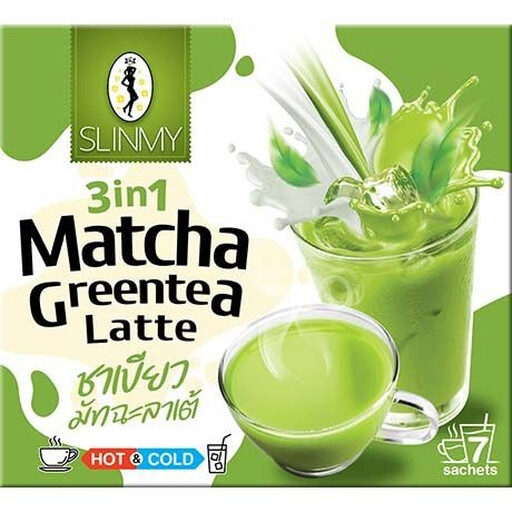
Why this fits the profile: This mix is aimed at anyone who wants to make a sweet milk drink quickly without measuring out loose matcha and milk.
The product information lists the ingredients and nutritional values. This means you can factor in the high sugar content of 68g per 100g before you buy.
161g packet; combination of green tea powder, milk powder and creamer; suitable for quick preparation.
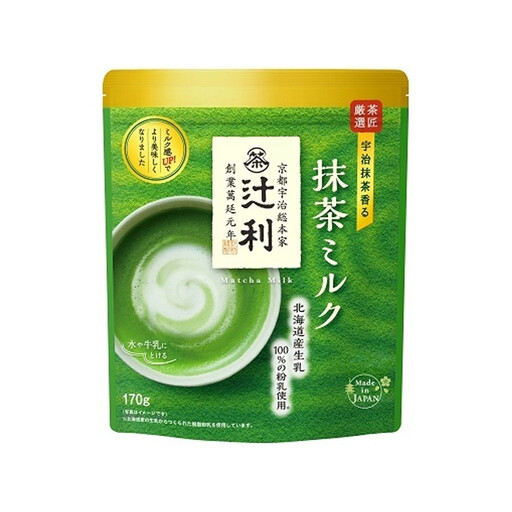
Why this fits the profile: Ideal for fans of a Japanese matcha latte who also want to make a cold version at home.
The description mentions selected Uji matcha and 100% Hokkaido milk powder. So you can see which origin and milk components the manufacturer states.
170g contents; according to the product description, dissolves in water or cold milk; intended for a hot or iced matcha milk.
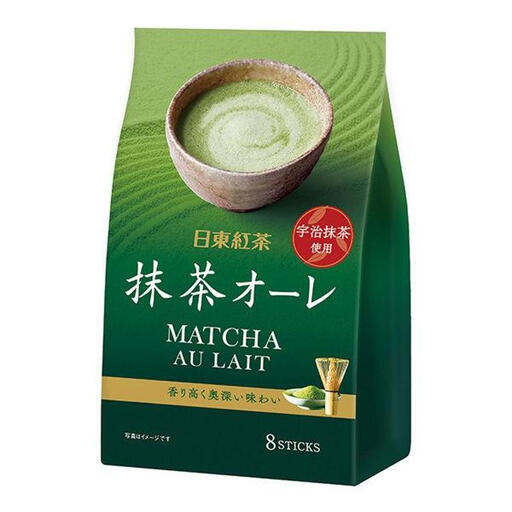
Why this fits the profile: The individual sticks are practical for daily use at the office, on the go, or when you want fixed portions.
The portion packaging means you don’t have to weigh out powder each time. The product information lists milk as an allergen and advises following the label.
8 sticks of 12g; preparation advice with 120ml of hot water or milk; also suitable as a base for a cold drink with ice.
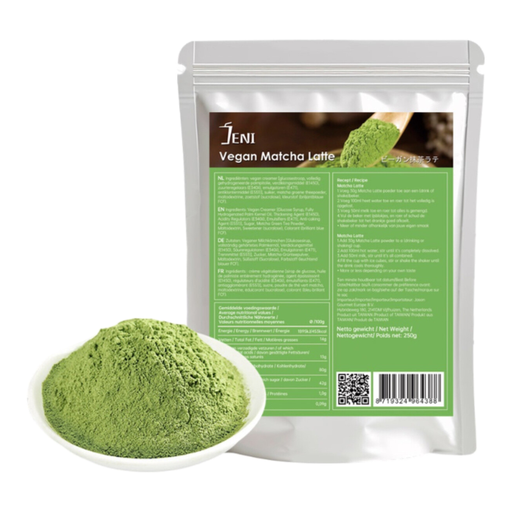
Why this fits the profile: A logical choice for anyone who wants to make a vegan matcha latte with hot water or plant-based milk.
The product information mentions a vegan creamer and states it contains none of the 14 major EU allergens. Check the current label when you receive it.
250g packet; contains matcha green tea powder; can be prepared with hot water or plant-based milk.
We’ve put together a full, up-to-date list of products that fully meet these strict selection criteria and current European safety regulations.
Follow the ratio on the packet. You usually add one portion to around 120 to 150ml of hot water or milk. Stir first with a small amount of liquid, then add the rest. For a cold matcha latte, prepare the powder with warm water first and then add ice.
No. Some products contain milk powder, lactose or casein, while others are made with a plant-based creamer. Check the allergen list. For a vegan matcha latte, you can use plant-based milk, but also check whether the powder mix itself is vegan.
The best-before date is on the packet. Once opened, store the powder in a dry, cool place and keep it tightly sealed. Moisture can affect the texture and solubility. Do not use the product if the packet is damaged or if the contents smell or look unusual.
