
Vandaag of morgen in huis

Kwaliteit gegarandeerd

Welkomstaanbiedingen ontgrendelen: GRATIS bezorging | Tot 80% korting | Gratis 30 dagen JoyPlus-proefperiode
Download de app
Making a matcha latte doesn’t have to be complicated. With a powder, sachet or capsule, you can quickly prepare a creamy green tea latte. However, products vary considerably in their ingredients, sweetness, milk content and preparation method. Bright green packaging tells you little about the amount of matcha or the flavour.
So look out for these three common pitfalls:
A matcha latte mix often consists of a combination of sugar, milk powder or creamer, matcha and other additives. The order of the ingredients indicates which are present in the greatest relative amounts. If sugar or creamer appears first, the drink will generally be sweeter and creamier than a product in which matcha features more prominently.
A specific percentage makes comparison easier. For example, Tsujiri Matcha Latte lists 2% matcha, while Ranong Tea Instant Matcha Green Tea Latte lists 9.7% matcha green tea powder. One percentage does not automatically make a product suitable for everyone, but it does provide an objective point of comparison.
If you’re looking for a vegan matcha latte, don’t just look for the word “vegan”. Also check whether the ingredients include milk, lactose, whey or sodium caseinate. JENI Vegan Matcha Latte lists a vegan creamer and states that it contains none of the 14 main EU allergens. This makes it a practical option for consumers who want to avoid animal-derived milk ingredients.
Many other instant products clearly state “contains milk”, including Nittoh Instant Matcha Au Lait, AGF Blendy CAFE LATORY and the Gold Kili varieties.
There are three common options:
Also pay attention to the preparation instructions. Nittoh, for example, recommends one stick with 120 ml hot water or warm milk. Some mixes also dissolve in cold milk, which is useful for an iced matcha latte. Use the amount of liquid stated on the packaging as a starting point; extra water creates a lighter flavour, while less liquid produces a more concentrated drink.
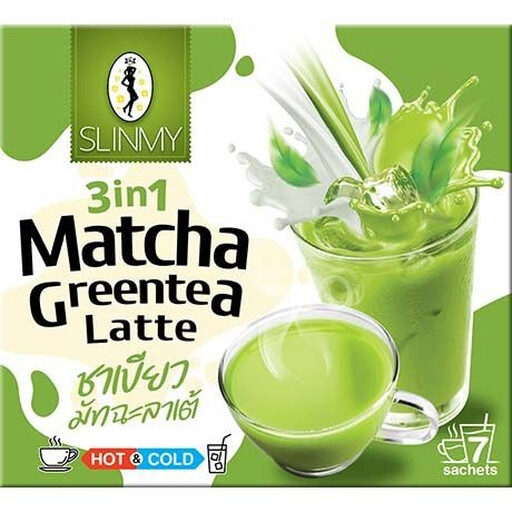
Why it suits this profile: An accessible mix for anyone who wants to make a sweet matcha milk drink quickly, without weighing out separate ingredients.
The product information clearly states that it contains 8% green tea powder and 8.7% whole milk powder. This allows you to assess the ingredients more accurately than by relying on the product name alone.
A blend of green tea, milk powder and creamer; according to the nutritional information, 23 g per sachet provides approximately 102 kcal.
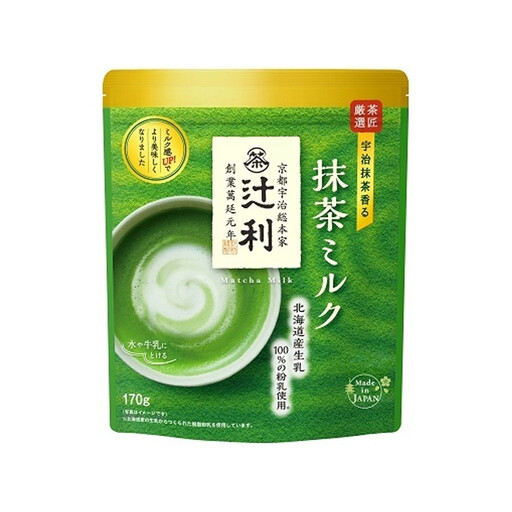
Why it suits this profile: Suitable for fans of a Japanese matcha latte with clearly stated provenance and a preparation method that also works with cold milk.
The product description mentions carefully selected Uji matcha and 100% Hokkaido whole milk powder. These are verifiable specifications, while the final flavour remains a matter of personal preference.
170 g pack; according to the product information, it dissolves in water or cold milk, making an iced matcha latte possible too.
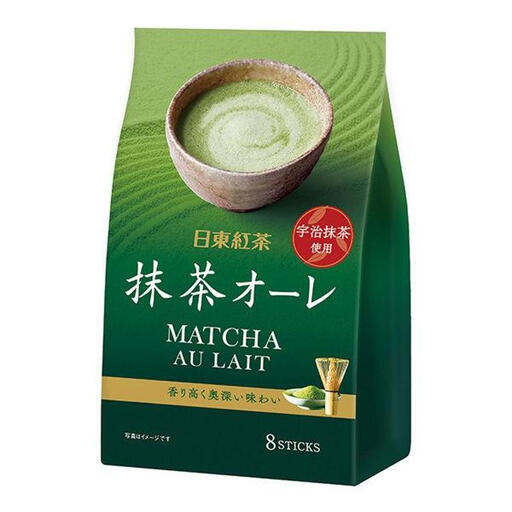
Why it suits this profile: Handy for students, office workers and anyone who wants to take a fixed portion with them or prepare a drink quickly every day.
The pack contains 8 individual 12 g sticks. This reduces waste and makes portioning predictable. Please note: the product contains milk and may contain traces of soya.
Origin: Japan; preparation recommendation of one stick with 120 ml hot water or milk; according to the product information, also suitable for a cold version after preparation with hot water.
We’ve compiled a complete, up-to-date list of products that fully meet these strict selection criteria and the applicable European safety regulations.
A matcha latte capsule is practical if you already use a Dolce Gusto machine. According to the product information, NESCAFÉ Dolce Gusto SB Matcha Latte is supplied in capsule form and is intended for a compatible Dolce Gusto system. You won’t need to measure out any powder, but you will depend on the capsule system.
If you prefer to control the sweetness yourself, you could consider a simple matcha latte mix without milk powder. Tsuboich Matcha Latte Mix lists only beet sugar, matcha and sugar. You add your own milk or plant-based drink. Check the preparation instructions and bear in mind the high proportion of carbohydrates and sugars shown on the label.
For a spiced version, Goldkili Instant Matcha Ginger Latte is an option. The ingredients list includes, among other things, ginger powder, green tea powder and 2% matcha powder. This is therefore not a neutral matcha latte, but a drink mix with a distinct ginger profile.
Put the recommended amount of powder or one stick into a cup. Add the amount of hot water or milk stated on the packaging and stir well. To make a cold matcha milk drink, you’ll often need to prepare the powder first with a small amount of hot water. Then add cold milk and ice, if the product instructions allow this.
Matcha and green tea naturally contain caffeine. The amount in a prepared matcha latte varies depending on the product and serving size. Not every product page states the caffeine content. If this is important to you, it’s best to check the label or the manufacturer’s supplementary information.
The shelf life is stated on the packaging. Store the product as instructed: in a cool, dry place, away from direct sunlight, and tightly sealed after opening. Moisture can cause powder to clump. Do not use a product if its packaging is damaged.
