
Vandaag of morgen in huis

Kwaliteit gegarandeerd

Welkomstaanbiedingen ontgrendelen: GRATIS bezorging | Tot 80% korting | Gratis 30 dagen JoyPlus-proefperiode
Download de app
A matcha latte might seem simple: just mix powder with water or milk and you're done. Yet products vary widely in flavour, ingredients, sweetness and ease of preparation. If you only look at a green packet or words like "Japanese style", you could end up with a sweet milky drink that contains very little matcha.
As a Joybuy Product Recommendation Officer, I filter product information based on practical points. This helps you see more quickly which instant matcha latte, Japanese matcha latte or vegan option fits your needs at home, in the office or on the go.
The colour can come from matcha, green tea, flavourings or colourings. Always check the ingredients list. With some instant mixes, sugar is listed first and the proportion of green tea or matcha powder is limited. This usually produces a sweeter, milder drink than a product with a more noticeable matcha content.
Uji matcha refers to a well-known Japanese growing region, but the amount of matcha and the rest of the recipe still matter. A mix with Uji matcha can also contain sugar, milk powder and thickeners. So look at origin and ingredients, not just the front of the packet.
A matcha milk drink or matcha au lait often contains milk powder, lactose or caseinate. That doesn't fit a vegan diet. If the product says "vegan", still check the allergen information and the full ingredients list. This way you avoid buying a product that doesn't meet your requirements.
Compare these points in particular:
A product with more matcha powder can have a pronounced tea flavour. A mix with relatively high sugar and creamer usually tastes softer and sweeter. Neither is automatically the right choice; it depends on your preference.
Matcha latte sticks are handy when you want to prepare one portion at a time. Check the recommended amount of water. Nittoh, for example, advises one stick with 120 ml of hot water or hot milk. For a cold drink, you first make a warm preparation and then add ice.
A bag or jar of 120 to 250 g can be more practical for daily use at home, but requires a good seal after opening. Pay attention to the preparation instructions: some powders also dissolve in cold milk or water, while others need to be mixed with hot water first.
Read the label before consumption, especially if you have a milk or soya allergy. Also check:
The current packaging is definitive. Product information on a website can change or be less complete than the label.
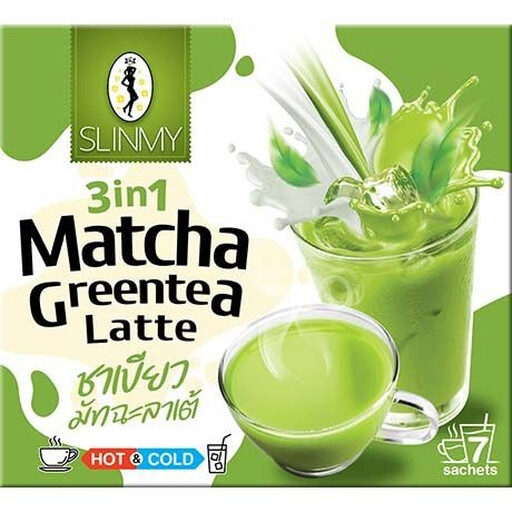
Why this fits the profile: An easy-entry mix for anyone who wants to try a sweet, creamy matcha drink quickly without buying separate ingredients.
The product information lists the ingredients and nutritional values per 23 g sachet, so you can compare sugar and milk content before ordering.
161 g instant mix; combination of green tea, milk powder and creamer; contains milk.
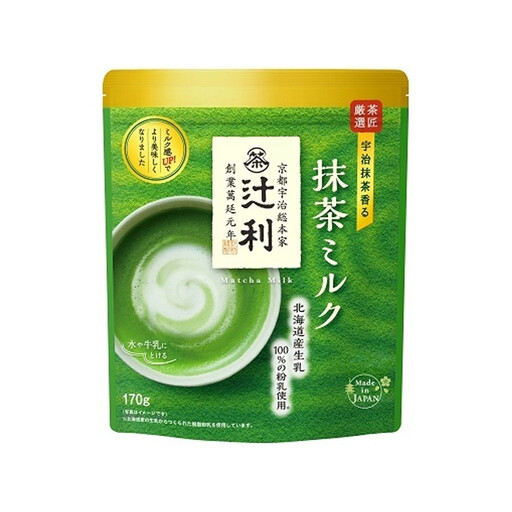
Why this fits the profile: For enthusiasts specifically looking for a Japanese matcha latte with Uji matcha and Hokkaido milk powder.
The product description mentions Uji matcha and 100% Hokkaido milk powder separately, rather than just using general terms like Japanese flavour.
170 g pack; according to the product description, suitable for water or cold milk; dissolves for an iced matcha latte.
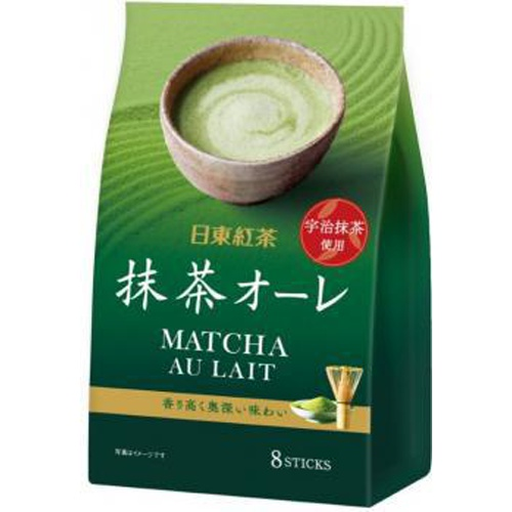
Why this fits the profile: Convenient sticks for multiple users or regular preparation at the office, at home and on the go.
The portions are individually wrapped. This means you don't have to measure from an opened bag each time, and preparation stays straightforward.
8 sticks of 12 g; according to the product information, from Japan; suitable for hot and cold preparation.
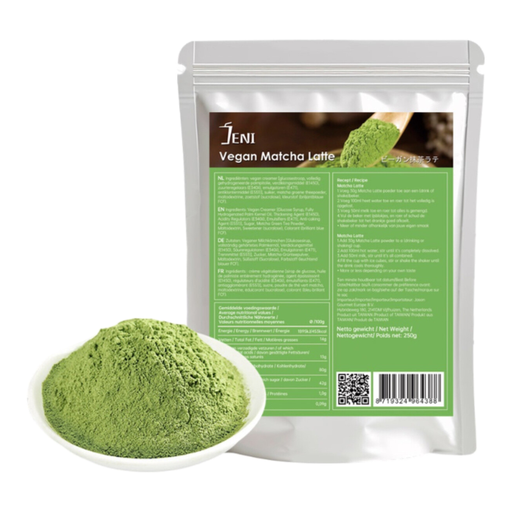
Why this fits the profile: A plant-based matcha latte powder for anyone who wants to avoid dairy products and chooses their own water or plant-based milk.
The product information mentions a vegan creamer and none of the 14 main EU allergens. Always check the current label before use, though.
250 g pack; contains matcha green tea powder; can be prepared with hot water or plant-based milk.
We've put together a full, up-to-date list of products that fully meet these strict selection criteria and current European safety regulations.
For a hot drink, add the powder to the amount of hot water stated on the packet. First stir with a small amount of water until you have a smooth mixture, then add the rest. This helps prevent lumps.
For an iced matcha latte, you can dissolve the powder in hot water first. Then add cold milk, plant-based milk and ice cubes. Don't use boiling water if the packet recommends a lower temperature; always follow the product's preparation instructions.
The terms are often used for a similar drink: matcha or green tea combined with milk ingredients and sweetener. The recipe varies by brand. So always check whether it's loose matcha, an instant mix or a ready-to-drink milk drink.
Check the best-before date on the packaging. Store opened powder products in a cool, dry, dark place and keep them well sealed. Moisture can cause the powder to clump. If you're unsure about the smell, colour or packaging, it's best not to use the product.
Yes, you can with powders that are suitable for it. A vegan matcha latte like the JENI variant can be prepared with plant-based milk according to the product information. With other products, milk powder or caseinate may be present, so check the ingredients and allergens first.
