
Vandaag of morgen in huis

Kwaliteit gegarandeerd

Welkomstaanbiedingen ontgrendelen: GRATIS bezorging | Tot 80% korting | Gratis 30 dagen JoyPlus-proefperiode
Download de app
Making a matcha latte at home can be simple: powder, hot water or milk, and a quick stir. Yet the products vary enormously. Some mixes contain relatively high amounts of sugar and creamer, while others are mostly green tea and matcha. The difference between a bag of powder and individual matcha latte sticks also affects convenience, price and shelf life.
So don't just look for words like “Japanese flavour” or “creamy”. Check the ingredients, the amount of matcha and the preparation instructions. That way, you'll avoid buying a product that doesn't match your preferences.
A product labelled matcha latte mix can contain plenty of sugar, milk powder, glucose syrup or creamer alongside the matcha. For example, Tsujiri Matcha Latte states 2% matcha. Another instant mix lists 8% green tea powder in the ingredients. That doesn't automatically make a product less suitable, but it does give you an idea of the flavour to expect.
If you're after a distinct tea taste, it's worth checking whether matcha appears high on the ingredients list and what percentage is stated.
A vegan matcha latte contains no dairy ingredients, but it can still include sugar and sweeteners. According to the product description, JENI Vegan Matcha Latte uses a vegan creamer, sugar, matcha green tea powder and sucralose. If you have an allergy, always check the label. Product information on a website may differ from the packaging.
A 250-gram or 1-kilogram pack may look appealing for regular use, but once opened, powders can absorb moisture and odours. A pack of individual sticks is often more practical for the office or on the go. So compare the price per serving, not just the price of the whole pack.
Start by looking at the full ingredients list. Pay attention to:
With ITOEN Matcha + Green Tea Rich Taste Powder, the stated base consists of tea, matcha, dextrin and vitamin C. According to the product description, this powder contains no sugar and no sodium. It isn't a ready-to-drink latte, but you can make your own matcha milk by adding milk or a plant-based alternative.
An instant matcha latte is designed to be mixed quickly with hot water. Some products can also be prepared with cold milk. Kataoka Tsujiri Matcha Milk states that the powder dissolves in water or cold milk and is suitable for an iced matcha milk.
Check the recommended amount of liquid. According to the product information, Nittoh Instant Matcha Au Lait uses one stick with 120 ml of hot water or milk. Starbucks Matcha Latte contains four sticks of 24 grams each. A fixed serving makes preparation easy, but gives you less control over the strength.
Check that the packaging suits how you'll use it:
Also look out for allergens. Many latte powders contain milk, lactose or milk caseinate. According to the available product information, JENI products do not list any of the 14 major EU allergens. Still, always read the current packaging, especially if you have allergies or food intolerances.
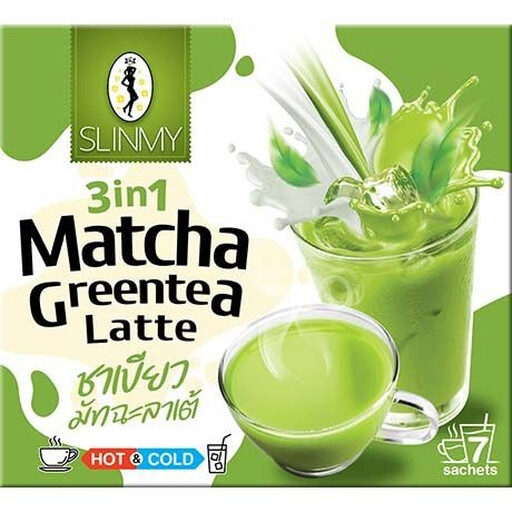
Why this fits the profile: This mix is designed for quick preparation and contains milk powder and green tea powder. A practical choice if you're new to instant lattes at home.
The nutritional information lists values per 23-gram sachet. This makes it easier to estimate the serving size and sugar content.
161 g net weight, milk powder included in the mix, and preparation suited to a quick cup.
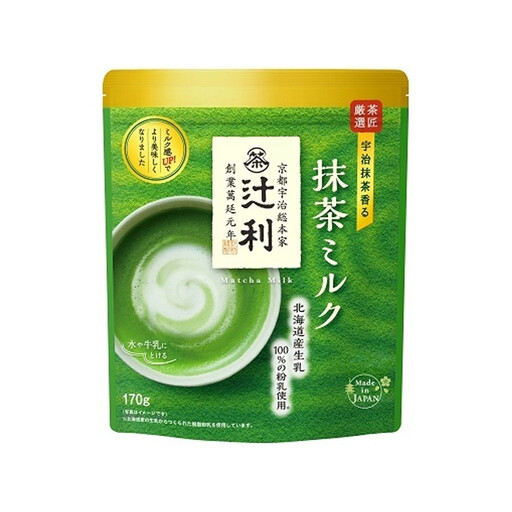
Why this fits the profile: According to the product description, this mix contains selected Uji matcha and Hokkaido milk powder. That suits anyone specifically looking for a Japanese matcha latte with a milky finish.
The origin of the Uji matcha is stated in the product information. Do check the current packaging before purchase.
170 g net weight; described as suitable for hot water and cold milk.
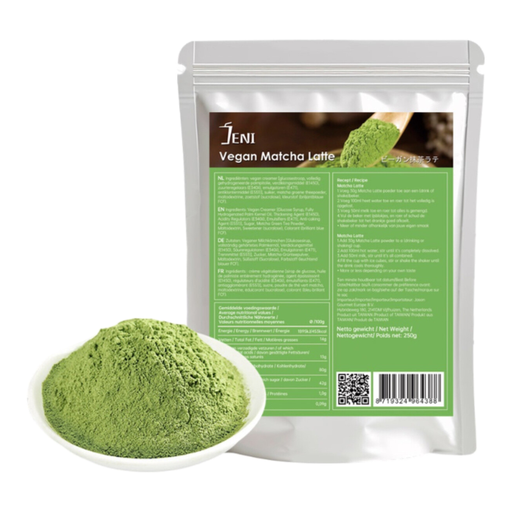
Why this fits the profile: This vegan mix is designed for anyone who wants to make a plant-based matcha latte regularly using hot water or plant-based milk.
The product information mentions the vegan creamer and states that none of the 14 major EU allergens are listed. Always check the packaging.
250 g net weight and suitable for preparation with water or plant-based milk.
We've put together a full, up-to-date list of products that fully meet these strict selection criteria and comply with current European safety regulations.
Use the amount stated on the packaging as a starting point. First, mix the powder with a small splash of warm water to form a smooth paste. Then add the rest of the water or milk and stir again. For a cold version, dissolve the powder in warm water first, then add ice. Don't use boiling water if the packaging recommends a lower temperature; always check the preparation instructions.
Buying a matcha latte becomes easier if you decide in advance between a sweet instant mix, a Japanese Uji matcha mix, a vegan option or pure matcha green tea powder. Sticks are practical for on the go; at home, a larger pack gives you more freedom to adjust the ratio of powder to milk.
Put one serving of powder in a cup and add the recommended amount of hot water or milk. Stir well. With sticks, the dosage is often stated per sachet. For an iced matcha latte, prepare the mix warm first, then add ice.
Check the date on the packaging. Store the powder in a dry, cool place away from direct sunlight. Seal an opened pack carefully and don't use the product if the packaging is damaged or the powder has become noticeably damp.
It varies from product to product. Mixes containing milk powder, lactose or milk caseinate are not vegan. JENI vegan matcha latte states it uses a vegan creamer, while several other latte products list milk as an allergen. So always check the ingredients list and allergen information on the current label.
