
Vandaag of morgen in huis

Kwaliteit gegarandeerd

Welkomstaanbiedingen ontgrendelen: GRATIS bezorging | Tot 80% korting | Gratis 30 dagen JoyPlus-proefperiode
Download de app
A matcha latte sounds simple enough: mix the powder with water or milk and you're done. Yet products vary widely in their composition, sweetness, preparation method and serving size. A bright green packet tells you very little about how much matcha is actually inside. Terms like "authentic", "premium" or "café-style" are no substitute for a clear ingredients list.
As a Joybuy Product Recommendation Officer, I always start by looking at verifiable product information. That way, you can avoid buying a large tub that's mostly sugar and creamer, or choosing a product that doesn't suit your diet or when you plan to drink it.
With instant matcha lattes, the flavour often comes from a blend of sugar, milk powder, creamer, flavouring and a smaller amount of green tea or matcha powder. So always check the ingredient order and, if it's listed, the matcha percentage.
A product with 2% matcha is very different from one where matcha or green tea makes up a larger proportion. The product name alone won't tell you this.
If you're vegan or avoiding lactose, you need to look beyond words like "milk tea" or "latte". Some instant mixes contain milk powder, whey or sodium caseinate. Always check the allergen information on the product page and the packaging.
A plant-based drink can still contain sugar too. Oatly Matcha Oat Drink, for example, lists oats, rapeseed oil, sugar and 0.8% organic matcha green tea powder as its ingredients.
Compare the number of servings, the recommended amount of water or milk, and the shelf life after opening. Individual sachets are handy for the office or on the go, but can be more expensive per serving. A tub of powder works out cheaper if you drink it regularly, but it needs to be kept sealed and dry.
If you're after a pronounced tea flavour, look for the stated matcha percentage. The Ranong Tea Instant Matcha Green Tea Latte, for example, lists 9.7% matcha green tea powder and 26.5% full cream milk powder. The Tsujiri Matcha Latte lists 2% matcha and also contains sugar, cream powder and vegetable fats.
That doesn't automatically make one product better than the other. A higher matcha percentage might suit those who enjoy a clearer green tea taste; a sweeter creamer base can be more appealing if you mainly want a gentle latte.
Check whether the product is intended for:
An instant matcha latte is usually the simplest: measure, mix and drink. For cold preparation, mixing with a small amount of water first can help reduce lumps. Use the temperature and quantity stated on the pack, as solubility varies between formulas.
Compare per serving, not just per 100g. The nutritional information for Instant Matcha Latte 161g shows approximately 101.89 kcal per 23g sachet and 15.64g of sugar. The ingredients include milk, creamer and green tea powder.
Also watch out for hidden differences between "vegan", "plant-based" and "dairy-free". The JENI Vegan Matcha Latte states it contains none of the 14 major EU allergens and uses vegan creamer. Oatly Matcha Oat Drink, on the other hand, contains oats and notes that the product may contain gluten from oats. If you have allergies, always read the current label.
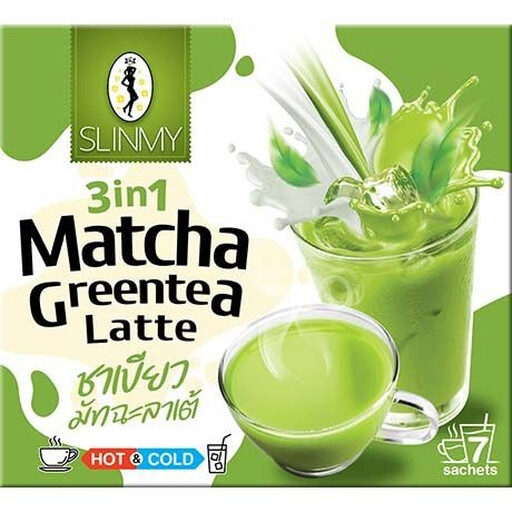
Why this fits the profile: An accessible mix for anyone wanting to start without a separate matcha bowl, whisk or milk frother. The serving information makes it easy to measure.
The ingredients and nutritional values are listed, so you can check the sugar, milk and creamer content before buying.
23g sachets, approximately 101.89 kcal per sachet and a preparation that requires minimal equipment.
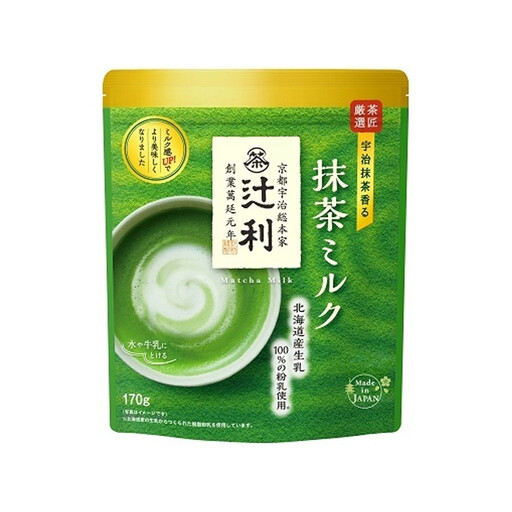
Why this fits the profile: Ideal for anyone looking for a Japanese matcha latte with milk powder who values a product description featuring Uji matcha and Hokkaido milk powder.
The description states that the powder dissolves in water or cold milk, making it suitable for both hot and iced matcha milk.
170g pack, designed for preparation with water or milk and, according to the product information, made with Uji matcha.
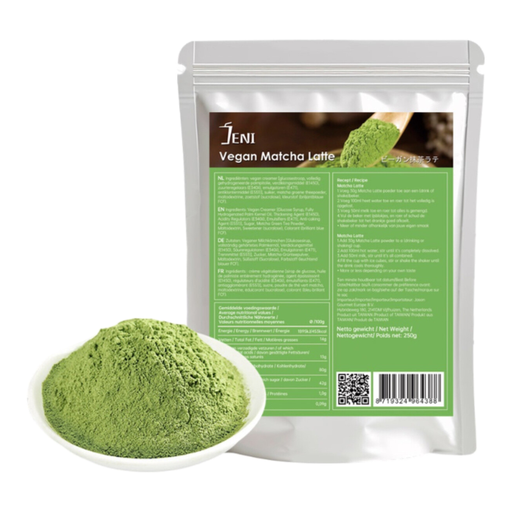
Why this fits the profile: A powder mix with vegan creamer, suitable for preparation with hot water or plant-based milk.
The product information states that it contains none of the 14 major EU allergens. Do check the current label before purchasing though.
250g pack, plant-based creamer and a choice of hot water or plant-based milk.
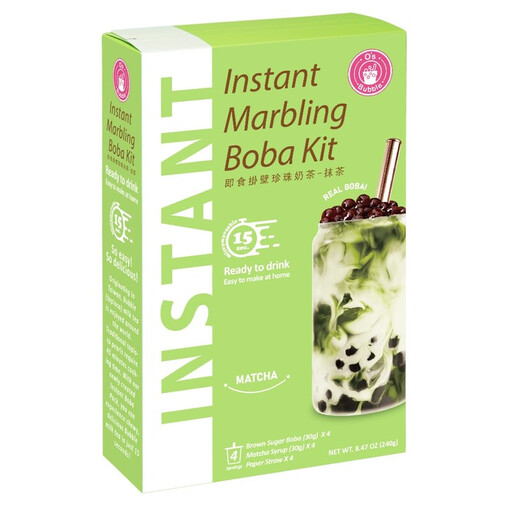
Why this fits the profile: For fans of matcha bubble tea who want to prepare tapioca pearls and matcha milk tea powder in one kit.
The kit clearly describes which components are included. So you don't need to search for tapioca or powder separately, but do check the listed milk allergens.
Complete kit with tapioca pearls and matcha milk tea powder; according to the product information, ready to make in just a few steps.
We've put together a full, up-to-date list of products that fully meet these strict selection criteria and comply with current European safety regulations.
For a warm matcha latte, this order usually works well:
If you're using loose matcha tea, use a sieve to reduce lumps. A matcha set with a bowl and bamboo whisk is especially useful if you want to prepare loose matcha; for instant sachets, that extra equipment is usually not needed.
First mix the matcha powder with a small amount of warm water. Then add cold or warm oat milk. With a ready-to-drink matcha oat milk, you just need to shake it well and chill or froth it according to the product instructions.
The exact shelf life is on the packaging. After opening, store the product sealed, dry and out of direct sunlight. It's best to drink a prepared drink straight away; for chilled ready-to-drink products, follow the storage instructions on the pack.
No. Matcha tea usually consists of matcha powder and water. A matcha latte also contains milk, milk powder or a plant-based drink, and often sugar or creamer. Check the ingredients if you're looking for a less sweet matcha drink.
