
Vandaag of morgen in huis

Kwaliteit gegarandeerd

Welkomstaanbiedingen ontgrendelen: GRATIS bezorging | Tot 80% korting | Gratis 30 dagen JoyPlus-proefperiode
Download de app
Making a matcha latte does not have to be complicated. With an instant blend, matcha latte powder or ready-to-drink matcha milk, you can prepare a hot or cold beverage in just a few minutes. However, products vary considerably in their ingredients, serving size, sweetness and suitability for a vegan diet.
Anyone who focuses only on a bright green package or words such as “premium” may end up buying a product that does not suit their taste. As a Joybuy Product Recommendation Officer, I therefore focus primarily on verifiable information on the label: ingredients, matcha content, allergens, preparation method and quantity per package.
A matcha drink can be green because of matcha, flavourings or added colourants. Check where matcha green tea powder appears in the ingredients list and whether a percentage is stated. For example, according to the product information, Tsujiri Matcha Latte contains 2% matcha. Ice Spring Matcha Cold Brew Soy Milk Powder lists 2.5% matcha, while Oatly Matcha Oat Drink contains 0.8% organic matcha green tea powder.
A higher percentage does not automatically mean you will prefer the taste. It can, however, help you compare products more fairly.
Many matcha latte blends contain milk powder, casein or a creamer with milk proteins. The Instant Matcha Latte 161g, for example, contains milk powder and sodium caseinate. Gold Kili Matcha Latte Powder also contains milk ingredients and may contain traces of soy.
If you are looking for a vegan matcha latte or a lactose-free option, check the allergen information and vegan label. Using a plant-based drink as the base does not automatically make a powder blend containing milk ingredients vegan.
Instant products are convenient, but they can contain relatively high levels of sugar. Instant Matcha Latte lists 68 grams of sugar per 100 grams. For the Ice Spring blend, the figure is 45 grams per 100 grams. Also check how many grams are recommended per serving and how much water or milk is required. A 250-gram package may appear larger, but the number of cups depends on the recommended dosage.
Review the first five ingredients. If sugar appears before matcha, the drink will probably be sweeter and have a less pronounced green-tea flavour. A product with creamer listed first may taste fuller and smoother, but it may not suit anyone looking for distinct matcha notes.
Brands may make their own product claims, but do not present these as proven effects. According to the product description for Kataoka Tsujiri, for example, carefully selected Uji matcha is used. This is a brand or product claim; always check the current packaging before purchasing.
For a matcha latte with oat milk, you can choose a powder designed to be prepared with plant-based milk or opt for a ready-to-drink oat beverage. Oatly Oat Drink Matcha contains 9% oats and 0.8% matcha and, according to the product information, is vegan and free from milk, lactose and soy. However, it does contain oats, which are listed as a gluten-containing grain.
For a matcha latte with soy milk, the Ice Spring blend is a practical choice. It comes in individual 25-gram sachets and contains 54% soybeans. The product therefore contains soy and is not suitable for anyone avoiding it.
For a creamier result, use a milk frother. First combine the powder with a small amount of water and stir until smooth. Then add the remaining liquid. This reduces the risk of lumps.
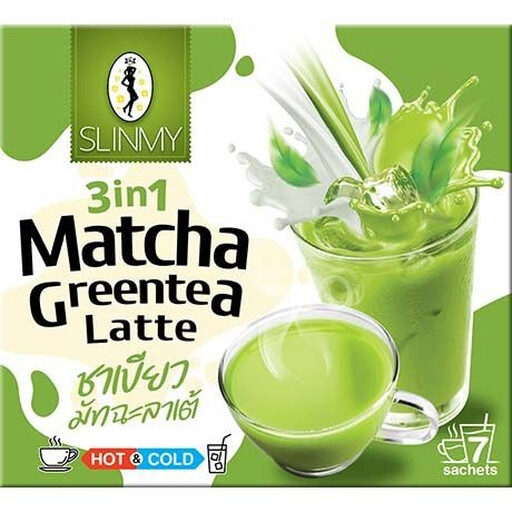
Why This Fits Their Persona: An accessible instant blend for anyone who wants to prepare a matcha drink quickly at home or in the office, without separate milk or a whisk.
The product information lists the ingredients, allergens and nutritional values per 23-gram sachet. This allows you to assess the sugar content and serving size in advance.
161-gram package; contains 8% green tea powder; store in a cool, dry place.
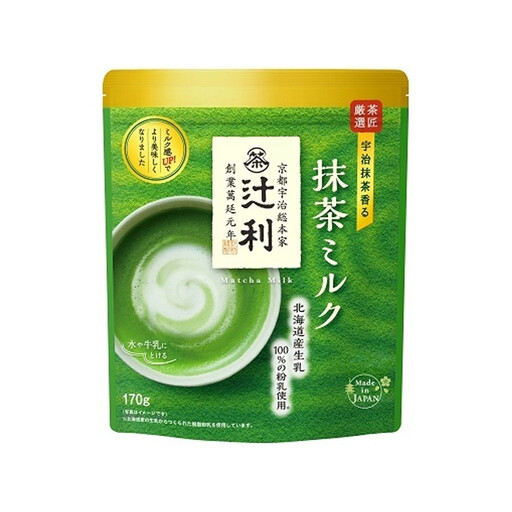
Why This Fits Their Persona: Ideal for anyone who wants to prepare a Japanese matcha latte with a creamy milk component, either hot or with cold milk.
The description explicitly mentions Uji matcha and 100% Hokkaido skimmed milk powder. Also verify this information on the packaging and take the milk allergen into account.
170 grams; according to the product information, dissolves in water or cold milk; suitable for iced matcha.
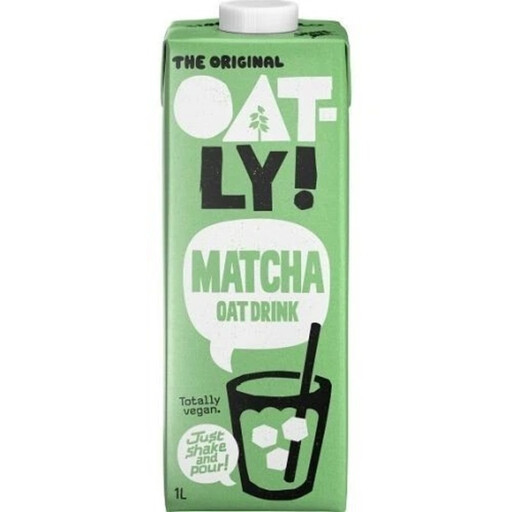
Why This Fits Their Persona: A ready-to-drink plant-based matcha milk for anyone who wants to pour a hot or cold latte without dairy products.
The product information states that it is vegan, lactose-free and free from milk and soy. Oats are listed as an allergen, however, so check whether the product meets your personal dietary requirements.
1 litre; 9% oats; UHT-treated; refrigerate after opening and use within 4 to 5 days.
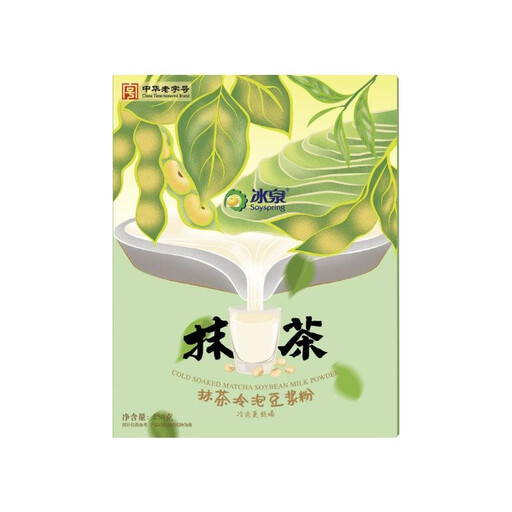
Why This Fits Their Persona: Ten individual portions are practical for a desk drawer, bag or shared pantry.
Each sachet contains 25 grams and recommends 120 to 180 ml of water. This makes portioning clearer than with a loose bag of powder.
250 grams divided into 10 sachets; contains 54% soybeans and 2.5% matcha; can also be prepared with cold water.
Browse our current selection and compare products by ingredients, serving size, preparation method and plant-based composition.
For a simple hot matcha latte:
For a cold version, use a blend that the label confirms dissolves in cold water. Add ice cubes only after the powder has been thoroughly mixed. With ready-to-drink Oat Drink Matcha, shaking well before use is essential.
Store powder in a dry, tightly sealed container away from direct sunlight. Opened plant-based matcha milk should be refrigerated. Always check the best-before date and the latest usage instructions on the packaging.
That depends on your preferences and dietary pattern. In particular, compare sugar content, serving size and ingredients. An instant blend is convenient, but it often contains sugar and creamer. Anyone wanting greater control can use loose matcha and choose their milk separately.
Yes. Use a matcha latte powder without milk ingredients and add oat milk, or choose a ready-to-drink oat beverage with matcha. Always check whether the product is vegan and whether oats fit within your dietary choices.
Check the best-before date on the packaging. Reseal the bag or jar securely after use and store the product in a cool, dry place. Individual sachets offer practical protection from moisture until opened.
