
Vandaag of morgen in huis

Kwaliteit gegarandeerd

Welkomstaanbiedingen ontgrendelen: GRATIS bezorging | Tot 80% korting | Gratis 30 dagen JoyPlus-proefperiode
Download de app
A massage roller seems simple: roll it over your feet, legs or back, and you’re done. But models can vary considerably in size, material, pressure and ease of use. Choose the wrong one and it may feel too hard, barely get used or end up in a cupboard after a few weeks.
As a Joybuy Product Recommendation Officer, I focus on features that can be checked. When choosing a massage roller, look beyond big promises and consider how well it suits the way you plan to use it.
A firm roller can work well for larger muscle groups, such as your thighs or calves. The same firmness may feel uncomfortable on sensitive feet or shoulders, or for beginners. “Deep tissue massage” doesn’t automatically mean that more pressure is better. Start gently and stop if you feel sharp pain, numbness or irritation.
An electric foot massager or app control may sound appealing, but it requires more maintenance, space and power than a manual massage roller. So, consider whether you’ll really use an appliance regularly. A compact model you can reach for straight after exercise may be more practical than a large foot spa that needs filling, plugging in and cleaning.
Terms such as “muscle recovery”, “improved circulation” or “plantar relief” often come from product marketing. Don’t take these claims as guaranteed results. According to information provided by the manufacturer or seller, these products are intended for relaxation, self-massage or personal care; the experience varies from person to person. If you have persistent symptoms, an injury or a medical condition, it’s better to seek advice from a healthcare professional.
A foam roller around 30 to 61 cm long is mainly suitable for larger areas of the body. A longer roller provides more contact with your back, thighs and calves, while a shorter model is easier to store and carry. For targeted pressure points, a massage ball or compact foot massage roller may be more convenient.
A foot roller around 15 to 19 cm long fits under the sole of your foot. Check that it’s wide enough for your feet and whether its surface is smooth, ridged or covered with nodules. More texture often creates a more noticeable pressure sensation, but it won’t suit everyone.
Many foam rollers in this range are made from PVC and PE. A high-density roller has a firm surface and is better at retaining its shape with regular use. EVA foam generally feels a little softer or springier, depending on how it’s made.
Also consider the surface you’ll use it on. A massage roller may slide on laminate or tiles. A non-slip base, exercise mat or towel can help keep it stable. Clean your roller according to the product instructions and let it dry completely before putting it away.
A manual roller doesn’t need a battery or cable and has no moving parts. It’s a simple option for a quick massage to support muscle recovery after running, fitness or yoga.
An electric model may offer features such as adjustable speed, heat, a timer or app control. If you’re choosing a foot massager, check the maximum recommended usage time, cleaning method and safety warnings. If it’s a water-filled appliance, never use it without water and don’t handle the plug with wet hands.
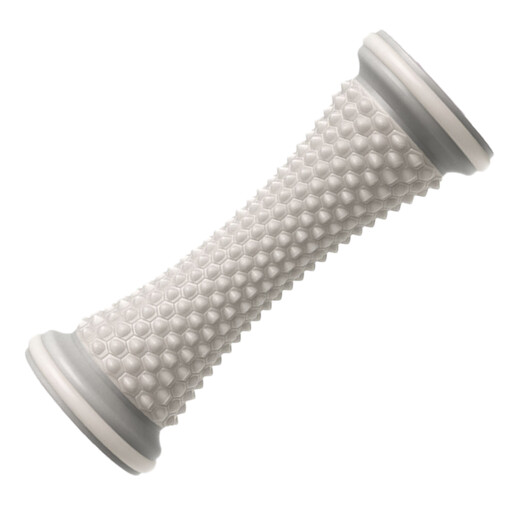
Why it suits this profile: A compact manual model for anyone who wants to try simple foot massage at home before choosing an electric option.
No battery, water reservoir or complicated settings. You control how much pressure feels right.
Manual operation and a stated size of 15.5 x 7 cm, making it suitable for targeted rolling under the foot.
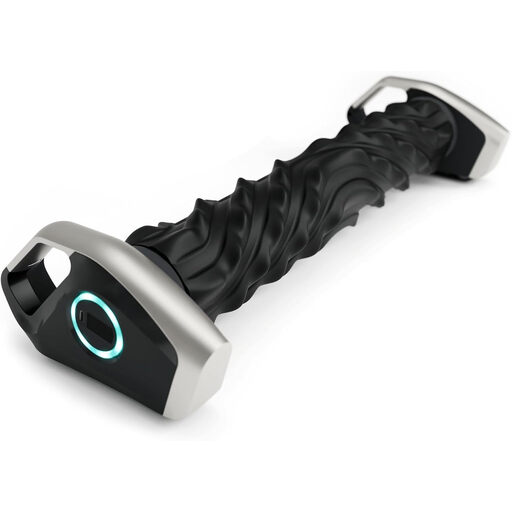
Why it suits this profile: For regular users looking for a hands-free routine with several settings.
The product description lists three speeds and two interchangeable covers, so you can adjust the pressure and texture to suit you.
App control, a stated noise level below 45 dB and a battery life of 240–480 minutes, according to the product information.
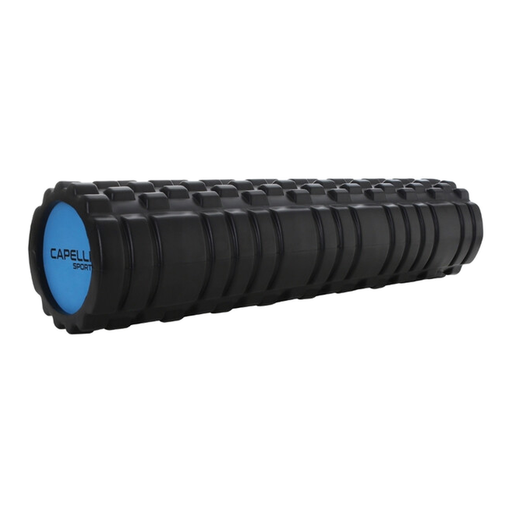
Why it suits this profile: A long foam roller for athletes, yoga enthusiasts and anyone who wants to work on larger muscle groups.
The length is clearly stated upfront: 61 cm. That means the model isn’t limited to working on small pressure points.
High-density PVC/PE construction and a nylon carry bag included, according to the product specifications.
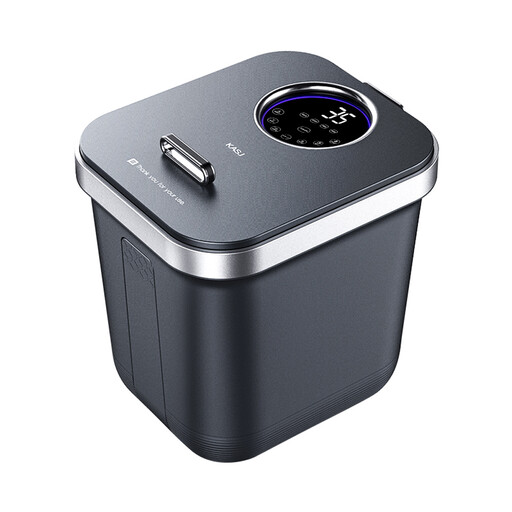
Why it suits this profile: For anyone who wants a warm foot spa and a regular relaxation routine as well as a foot massage.
The instructions specify a maximum recommended usage time of 30 minutes, along with clear guidance on cleaning and moving the appliance.
Adjustable temperature from 35–48 °C, six rotating rollers, a timer and a deep reservoir, according to the product description.
We’ve put together a complete, up-to-date list of products that meet these strict selection criteria and applicable European safety regulations.
Place the roller under or against the area you want to massage, then move it slowly back and forth. Start with short sessions and light pressure. With a foam roller, you can gradually increase the amount of body weight you apply. A massage roller is designed for self-massage and relaxation, not as a replacement for professional care.
Its lifespan depends on the material, pressure, storage and how often you use it. High-density material and a firm core help it retain its shape, but excessive pressure, sharp surfaces and heat can speed up wear. Check regularly for cracks, deformation or parts coming loose.
That depends on its power rating, heating function and how long you use it. A manual foot massage roller doesn’t use electricity. To reduce the power used by an electric foot massager, use the timer, switch it off after use and don’t leave it running for longer than the instructions recommend.
