
Vandaag of morgen in huis

Kwaliteit gegarandeerd

Welkomstaanbiedingen ontgrendelen: GRATIS bezorging | Tot 80% korting | Gratis 30 dagen JoyPlus-proefperiode
Download de app
Sore muscles after a workout or a stiff neck after a long day at work? A massage gun seems like the ideal solution. However, the market is flooded with models making all sorts of promises. Many people fall for marketing traps and end up with a device that gathers dust in a closet after just a few months.
As a Joybuy Product Recommendation Officer, I'm here to help you cut through the noise. We won't focus on the hype, but on the specifications that truly matter. Here are the most common pitfalls and how to make an informed choice.
Pitfall 1: Fixating on High RPMs Brands often advertise with dizzying RPMs (rotations per minute). A higher number seems better, but it says little about the effectiveness of a deep tissue massage. A device that only vibrates quickly on the surface won't reach deep muscle knots.
Pitfall 2: Paying for a Box of Useless Attachments A set of twelve attachments looks impressive, but in practice, you'll likely only use two or three. The rest are often made of cheap plastic and add little value, except to the price.
Pitfall 3: Unrealistic Battery Life Claims A battery life of "10 hours" is almost always measured at the lowest, least powerful setting. At the intensity you actually need for muscle recovery, the battery is often dead in an hour or two.
To avoid buyer's remorse, it's better to focus on the following three technical features. These determine whether a massage gun does its job well.
This is the most important specification for an effective percussion massage. The stroke length indicates how far the head of the massage gun moves back and forth.
A greater stroke length ensures the massage penetrates deeper into the muscle tissue, which is essential for relieving stubborn tension.
Stall force is the amount of pressure you can apply to the device before the motor stops. A massage device with a low stall force will stutter or stop as soon as you apply more pressure to a tense muscle, rendering it useless. A higher stall force means the motor is powerful enough to maintain a consistent, deep massage, even when you apply pressure.
Below are a few models that score well on the above criteria, matched to specific user profiles.
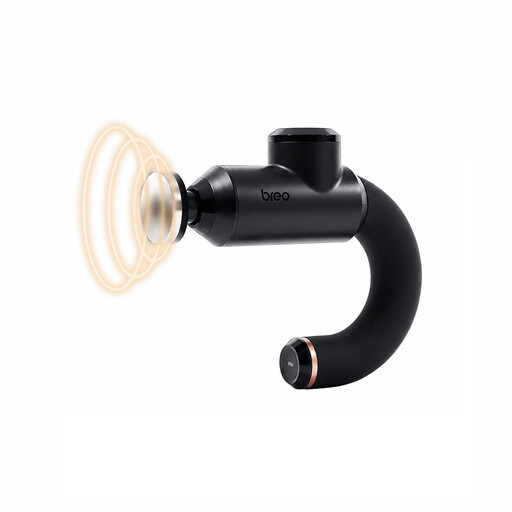
Why This Fits Their Persona: Ideal for serious muscle recovery after a tough workout. This model is designed for performance and focuses on effectively tackling deep muscle soreness.
This model focuses on what counts: a 12 mm stroke length and a motor with a stall force of up to 19 kg. The six included attachments are specialised, including a heated head, rather than being useless filler.
The combination of a powerful motor and a heated head that warms up in 5 seconds ensures an effective deep tissue massage. The ergonomic handle provides good control.
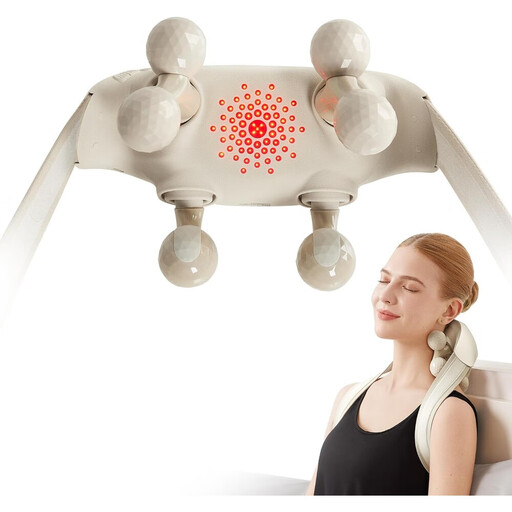
Why This Fits Their Persona: Specifically designed for neck and shoulder tension. Its hands-free design allows you to relax while working or sitting on the couch, without having to hold a heavy gun.
This isn't an 'all-in-one' device with superfluous features. It's a specialised massager that targets one common problem area, making its design highly focused and effective.
The hands-free 'backpack' design and the large, fast-heating surface provide comprehensive relief. The built-in battery lasts for about 90 minutes.
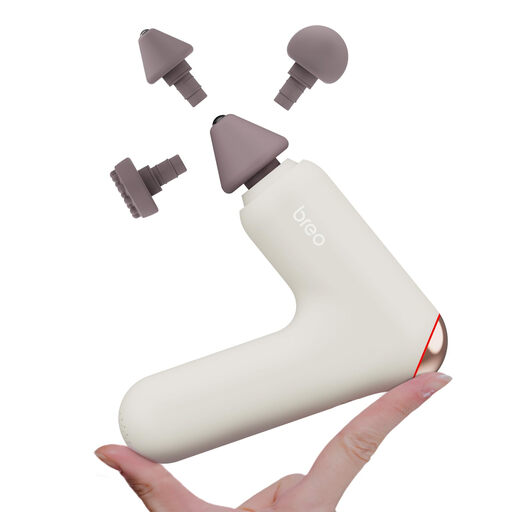
Why This Fits Their Persona: A compact and user-friendly model for those who want to experience the benefits of a massage gun without paying for professional-grade specifications. Perfect for general relaxation and relieving daily tension.
This device is honest about what it is: a compact yet powerful model. It has 3 useful, soft silicone attachments and a heat function, avoiding the pitfall of unnecessary extras.
Its light weight (0.4 kg) and ergonomic 7-shaped design make it easy to massage yourself. The heat function up to 45°C is a nice addition in this price range.
We have compiled a complete, up-to-date list of products that fully meet these strict selection criteria and all relevant safety regulations.
For a specific muscle group, it is recommended to use the massage gun for 1 to 2 minutes. A total full-body session should not exceed 15 minutes. Do not use the device more than 2 to 3 times a day. Always start at the lowest setting to see how your body reacts.
The difference lies mainly in the build quality, motor, stroke length, and stall force. More expensive models often have a more powerful motor that doesn't stop when you apply pressure (higher stall force) and a greater stroke length for a more effective deep tissue massage. The materials used and the battery life are also typically better.
Yes, but be cautious. Use a soft attachment (like a round ball) on the lowest setting. Massage the muscles on the side and back of the neck, but avoid direct contact with the cervical vertebrae. For neck and shoulder complaints, a specialised device, such as a neck massager, can be a more comfortable and safer option. If pain persists, always consult a doctor or physical therapist.
