
Vandaag of morgen in huis

Kwaliteit gegarandeerd

Welkomstaanbiedingen ontgrendelen: GRATIS bezorging | Tot 80% korting | Gratis 30 dagen JoyPlus-proefperiode
Download de app
A massage device can come in handy after a long day at work, during a break at the office or when you’re out and about. Yet many people buy a model that they barely use after a few weeks. Often, the problem isn’t the massage function itself, but a poor match between the device, the area of the body and how you use it day to day.
A device with lots of settings isn’t automatically suitable for every area of the body. A neck and shoulder massager is usually shaped to fit the neck and upper back. A back massager needs a different contact area. For the eyes or scalp, pressure, size and material matter more than a high motor speed.
So start by deciding what you need the device for:
Heat therapy, infrared massage and shiatsu massage may sound appealing, but the way they work varies from model to model. Check whether you can adjust the temperature, how long each session lasts and whether the device can be used directly on your skin.
If a brand claims a particular effect or result, treat it as a brand claim, not an established medical fact. According to Breo’s own product description, the D5 uses 3D rotation, heat and far-infrared waves. This confirms the features it has, but doesn’t automatically prove that it has a medical effect.
A cordless model is only convenient if the battery lasts long enough and it’s easy to recharge. Check the stated battery life, charging port and charging time. A product with heat and vibration may use more power.
Also check:
An IPX7 rating may indicate protection against temporary immersion, according to the product information, but always follow the instructions. Water resistance doesn’t automatically apply while the device is charging.
Don’t just look at the number of modes. It’s more important that the intensity starts low enough and that you can adjust it gradually. A massage device with kneading rollers feels different from one that uses vibration. EMS or TENS pulses work through electrical stimulation and aren’t suitable for everyone.
A model with several intensity levels is useful if it will be shared by people in your household. For everyday use, straightforward controls matter more than a long list of features.
Heat can make for a more relaxing experience. Check:
Don’t use heat while you’re asleep. If you have sensitive skin or are unsure whether the device is suitable for you, read the instructions carefully and speak to a healthcare professional if necessary.
A device weighing around one kilogram may be perfectly suitable for home use, but less comfortable to take with you. A foldable neck massager or compact scalp massage brush is easier to fit in a bag. Also check how it fits around your neck, the length of any strap and whether you can use the controls without a smartphone.
If you plan to use a device at the office, low noise levels, simple buttons and a short automatic session are often key considerations.
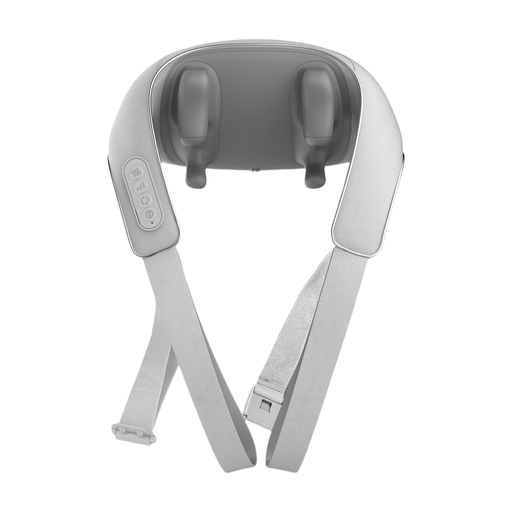
Why it suits this user: This model is designed for the neck, shoulders and back, and runs on a battery. That makes it suitable for use at home, in the office or while travelling.
The product information lists adjustable intensity, kneading massage and vibration. That means you’re not limited to a single fixed pressure setting.
Battery-powered, with two massage functions and suitable for three areas of the body.
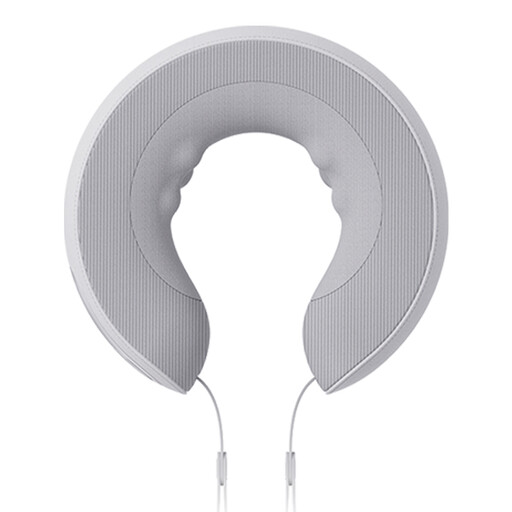
Why it suits this user: The described 3D rollers, 42 contact points and consistent 43 °C heat make it a good match for anyone looking for a targeted neck and shoulder massage.
The heat setting and roller positions are clearly described. Be sure to use the device according to the instructions, and don’t use it while you’re asleep.
3D rotation, a heat function, a removable washable cover and, according to the product description, quiet operation.
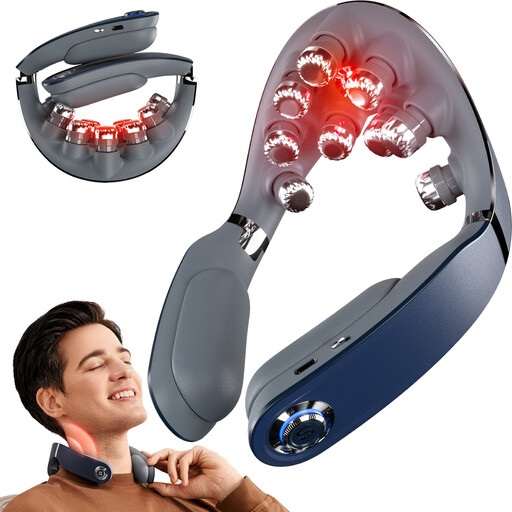
Why it suits this user: This foldable model combines EMS/TENS, vibration and heat. You can control it using the buttons, an app or voice commands.
You can adjust the intensity across 15 levels, and according to the product information, use is limited to a maximum of 30 minutes a day.
180° foldable design, USB-C charging, four heat settings and a stated battery life of up to seven days when used for 15 minutes a day.
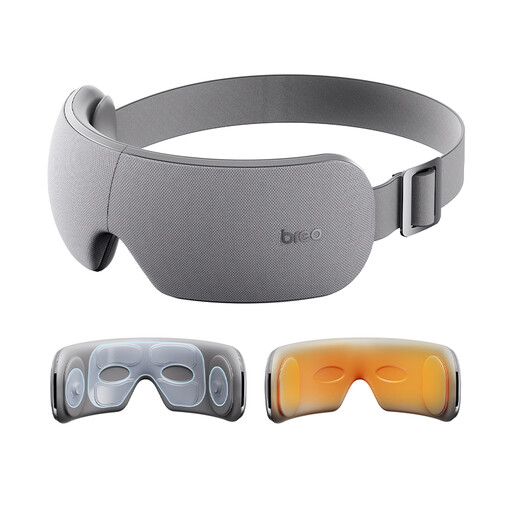
Why it suits this user: This eye massager is designed for the temples and eye area. It features heat, air compression, music, USB-C charging and a foldable frame.
According to the description, you can adjust the settings without taking off the mask. That’s handy in a dark room or during a break.
Air compression, heat between 100 and 110 °F according to the product information, a foldable design and a rechargeable battery.
For a scalp massage device, the Breo Scalp3 is another option. The product description lists a cordless design, Shiatsu massage, an oil applicator and IPX7 water resistance. Don’t use the model while it’s connected to the charger, and follow the safety instructions if you have any head or neck problems.
We’ve put together a complete, up-to-date list of products that meet these strict selection criteria and the applicable European safety regulations.
Read the instructions before using the device for the first time, and start on the lowest setting. Don’t use a massage device on open wounds, irritated skin or painful swelling. Models with EMS or TENS aren’t suitable for people with certain implanted electronic devices, so check this beforehand.
Stop straight away if you feel pain, numbness or discomfort. Store the device somewhere dry, only charge it with the supplied or specified charger, and let it dry completely if it gets wet before putting it away. Its lifespan depends on how you use the battery, how well you clean it and whether you avoid applying excessive pressure.
According to product descriptions and user reviews, a massage device may help relax tense muscles. That doesn’t mean it can replace medical treatment. If your symptoms are persistent, severe or radiate to other areas, it’s best to seek medical advice.
Follow the instructions. Many devices are designed for short sessions with a timer. The product information for the SKG G7 Pro-Fold model specifies a maximum total of 30 minutes a day. Using it for longer isn’t necessarily more beneficial.
A rechargeable device generally uses little electricity. The main ongoing costs are usually not electricity, but the possible replacement of a battery, charger or cover. So check the warranty, maintenance requirements and availability of spare parts before ordering.
