
Vandaag of morgen in huis

Kwaliteit gegarandeerd

Welkomstaanbiedingen ontgrendelen: GRATIS bezorging | Tot 80% korting | Gratis 30 dagen JoyPlus-proefperiode
Download de app
A massage device can come in handy after a long day at work, during a break at the office or while you’re out and about. But the options vary widely. A massage cushion, neck massager, massage gun and foot massager all work differently and are designed for different parts of the body.
Most disappointing purchases come down to three common pitfalls:
Only use an electric massage device as directed in the instructions. Stop if you experience pain, numbness or discomfort. Products designed for relaxation are not medical devices and are no substitute for advice from a doctor.
Before you buy, decide where you want to use the device. For tense shoulders and your neck, a neck massager or shoulder massager with rotating massage heads may be worth considering. For a larger area, a back massager or massage cushion may be more practical.
Next, consider the type of massage:
More settings don’t automatically make for a better buy. It’s more important that the lowest setting feels comfortable and that you can easily adjust the intensity.
A cordless massage device with a rechargeable battery gives you more freedom than a model with a fixed cable. Check the battery type, stated running time and charging port. A USB-C port can be handy at the office or on the go, but also check whether an adapter is included.
A corded model may be all you need for a chair at home. If you plan to move the device between the living room, your workspace and your travel bag, a lightweight, portable massage device is a better choice. According to the product information, the Medisana MC 500 runs on a 7,4 V battery and is designed as a cordless shiatsu back support.
A massage device with heat calls for extra care. Check how many heat settings it has, how the heat is controlled and whether the device switches off automatically. The Breo P2 is listed in the product description as having two heat settings of 40 to 45 °C. It also has three modes, including one that activates only the heat function.
Don’t use heat on the highest setting for long periods. Various product manuals advise people with sensitive skin, diabetes, poor circulation or reduced sensitivity to heat to consult a doctor first. Also, never use an electric device with wet hands or near water.
A massage device comes into direct or indirect contact with your skin. So check the materials, whether the covers can be removed and how to clean the device. A waterproof design doesn’t mean it’s safe to use while charging. Always check the exact IP rating and the manufacturer’s instructions.
Also check the dimensions and fit. A foot massager should enclose your foot comfortably without pinching. A neck massager should stay securely in place, while a massage gun should feel comfortable to hold. Many consumer products sold in the EU come with a minimum two-year legal guarantee, but check the seller and any additional terms.
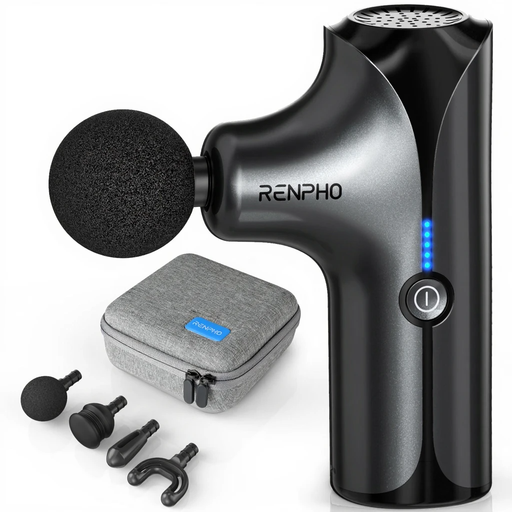
Why it suits this type of user: This compact model is a good choice if you want a straightforward device for targeted massage without bringing a large appliance into your home.
The specifications list four attachments and five speeds. This lets you adjust the intensity rather than relying on a general claim.
Approximately 14 × 9 × 4,5 cm, around 0,45 kg, four massage heads and a stated battery life of 4–5 hours.
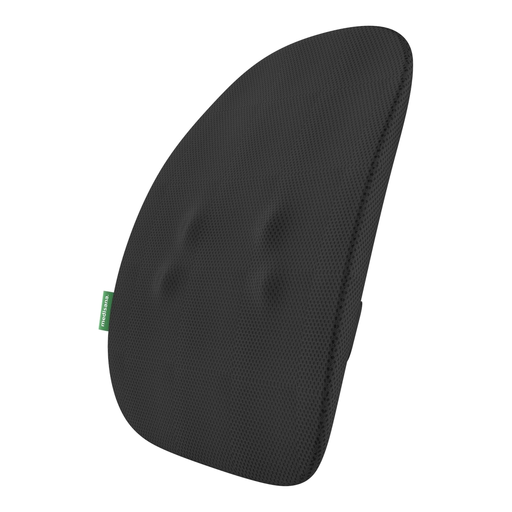
Why it suits this type of user: This back support is a good fit if you want to massage a larger area while sitting at home or in the office.
The product information clearly describes a cordless back support with shiatsu massage and a 7,4 V battery. That makes it clear what the device is designed for.
Cordless design, textile finish, approximately 1 kg and made for use on a chair or suitable seat.
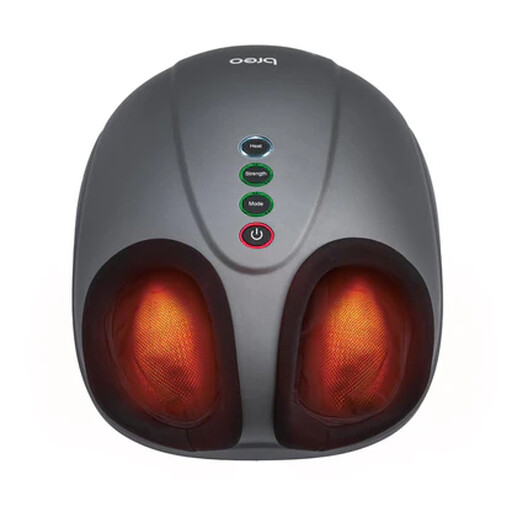
Why it suits this type of user: This model is designed for feet and suits anyone who wants to try a more comprehensive foot massage programme after spending time standing or walking.
The description lists several separate functions: kneading, rolling, compression and heat. Still, check beforehand that the foot size and intensity are right for you.
Optional heat of around 40–45 °C, three compression levels and removable, washable linings, according to the product information.
We’ve put together a complete, up-to-date list of products that meet these strict selection criteria and the applicable European safety regulations.
Start on the lowest intensity setting and follow the usage time in the instructions. Don’t use the device on skin that is damaged, inflamed or swollen. For neck and back models, avoid the throat, head, spine and joints if the manufacturer advises you to do so. Don’t use a massage gun on one muscle group for too long.
Its lifespan depends on battery use, cleaning, storage and the quality of its casing. Don’t leave a battery completely flat for long periods, and use the charger supplied where possible. The product may come with a minimum two-year legal guarantee; this is separate from wear and tear caused by normal use.
A rechargeable model usually uses little energy while charging, but the exact amount depends on the battery and charger. Pay particular attention to the battery capacity, charging time and running time. Switch off the massage device after use and unplug the charger when you don’t need it.
