
Vandaag of morgen in huis

Kwaliteit gegarandeerd

Welkomstaanbiedingen ontgrendelen: GRATIS bezorging | Tot 80% korting | Gratis 30 dagen JoyPlus-proefperiode
Download de app
A massage device can be useful for relaxing at home, easing stiff muscles after exercise or adding to your daily wellness routine. But it’s not wise to rely solely on terms such as “deep tissue”, “professional massage” or “skin firming”. These descriptions tell you little if the construction, controls or safety information aren’t clear.
The right choice depends on which area of your body you want to use it on, the intensity you prefer and how often you’ll actually use the device. Read on to find out which pitfalls to look out for, which specifications to check and what type of massager might suit different users.
A device with heat, vibration, light therapy and several settings may seem versatile. However, check that it clearly explains what each feature is for, how long a session should last and whether the device is suitable for the area of your body you want to use it on. For example, a facial massager with microcurrent or microneedles requires a different approach from an electric shoulder massager.
With heat and light therapy, it’s also important to distinguish between a technical feature and a proven result. A brand may claim certain effects based on its own research or product information, but don’t present these as established medical outcomes.
A compact scalp massager isn’t automatically suitable for your neck. A firm foam roller can be useful for muscle massage, but may feel too hard for some people. So check the material, shape and contact points.
A high-density PVC and PE foam roller, for example, provides a firm surface for myofascial release. It may suit athletes, but you’ll need to apply pressure in a controlled way. Don’t use a roller on an injured or inflamed area without professional advice.
Check the exact IP rating and the manufacturer’s instructions. According to the product information, a device with an IPX7 rating can withstand temporary immersion. However, that doesn’t mean you should use it in the bath while it’s charging or without following the instructions. Also check whether the charging cable, charging dock and controls need to be kept dry.
First, decide where you want to use the device:
Multiple settings are only useful if you can adjust them easily. A low setting is important for beginners. Also check:
A device with a lithium-ion battery should be protected from heat, moisture and damage. Only use the charger supplied or recommended by the manufacturer.
Silicone massage heads can often be removed for easy cleaning, but not every electric device can be rinsed. Clean a non-waterproof facial massager with a soft cloth. According to the product information, you can wipe a foam roller with a damp cloth and mild soap, then leave it to dry completely.
Hygiene is especially important with skincare devices such as a microneedling roller. Don’t share attachments with others, and don’t use the microneedle head on open cuts, active acne, eczema, psoriasis or sunburnt skin. Stop if you experience pain, bleeding or severe irritation.
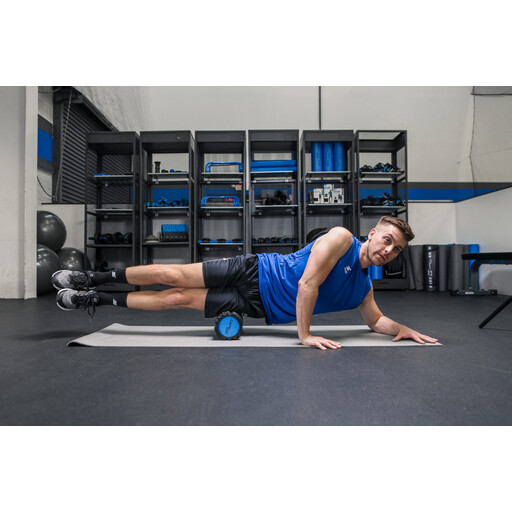
Why it suits this profile: This manual roller has no battery or complicated controls. At 30 cm long, with a high-density PVC and PE construction, it’s suitable for yoga, fitness, Pilates and muscle recovery at home.
Its purpose is clear from the design: a firm core, a compact size and no claims about automated treatments.
Firm foam roller, portable design and supplied with a nylon mesh bag for storage or transport.
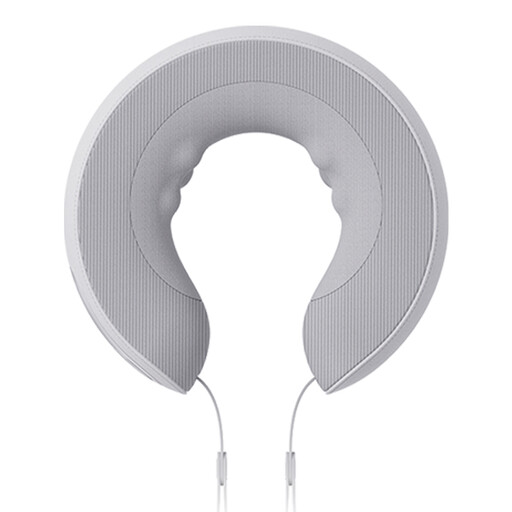
Why it suits this profile: This neck and shoulder massager is designed for people looking for a secure fit, a heat function and multiple contact points as part of their relaxation routine.
The product description specifies a heat setting of 43 °C and warns against prolonged direct contact with the skin. This makes the usage limits clearer.
42 contact points according to the product information, 3D rotation and a removable cover.
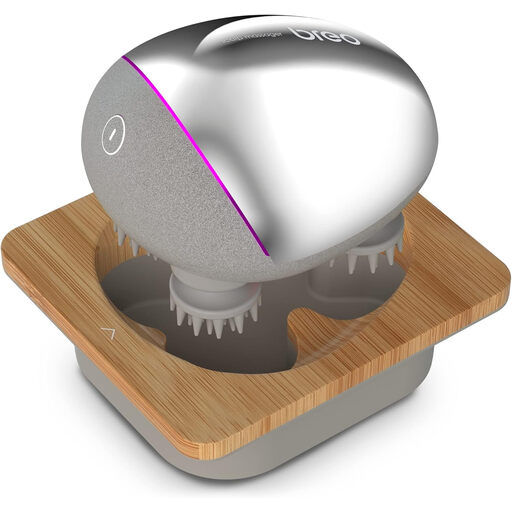
Why it suits this profile: This compact scalp massager is suitable for use at home, at work or on the go. According to the product information, its four interchangeable massage heads can also be used on the shoulders, hands and legs.
The silicone heads are removable, and the manual recommends cleaning them after use. Don’t use the device on your face or on damaged skin.
Cordless design, 3 massage modes, an IPX7 rating according to the product information and a charging dock.
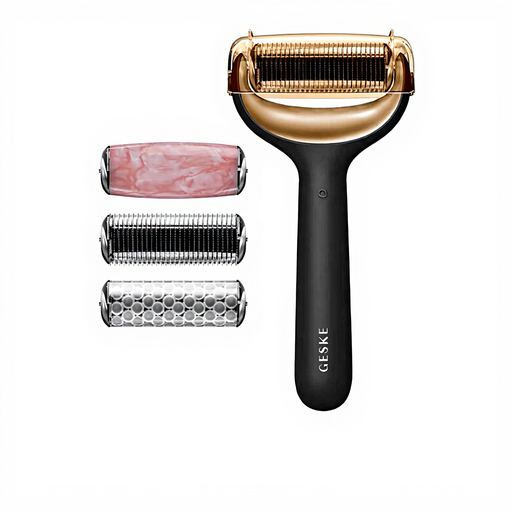
Why it suits this profile: This device combines a facial massager, body roller and microneedling roller with app guidance. It’s suited to people who want to organise their skincare and relaxation routines digitally.
The app provides instructions, and the product information specifies clear restrictions for microneedling. Don’t use it on irritated skin or share the attachments.
3 attachments, a magnetic charging cable, cooling technology and SmartSonic Pulsation according to the product specifications.
We’ve put together a complete, up-to-date list of products that meet these strict selection criteria and the applicable European safety regulations.
Decide in advance whether you want an electric massager or a manual tool. An electric model often offers settings, heat or vibration, but needs charging and careful maintenance. A foam roller or massage roller is simpler, quiet and ready to use straight away.
Also consider the overall cost of ownership. With a battery-powered model, you may need to factor in the charger, replacement parts or extra massage heads. Check the warranty terms too. Many consumer products are covered by a statutory guarantee of conformity in the EU, so keep your proof of purchase and instruction manual.
Only use a massage device as instructed. Avoid open wounds, swelling and inflamed skin. Don’t use it directly on your spine or joints if the manual advises against it. If you experience persistent pain, numbness or a skin reaction, stop using it immediately and seek medical advice.
It depends on the type of device and its intensity. Start with a short session on the lowest setting and follow the manual. With a firm foam roller or deep tissue massager, less pressure is often enough. Don’t use an electric device on the same muscle group for longer than recommended.
Electricity costs are usually low, but the overall cost depends on the battery type, how often it needs charging and its lifespan. Pay particular attention to the stated battery life, charging time and availability of accessories. A manual roller has no charging costs, but still needs to be cleaned and stored properly.
A neck and shoulder massager with adjustable intensity may be suitable for relaxing the neck and upper shoulders. Check whether the device must not be used on your throat, spine or joints. If portability is your priority, you could also consider a compact scalp massager or a manual massage roller.
