
Vandaag of morgen in huis

Kwaliteit gegarandeerd

Welkomstaanbiedingen ontgrendelen: GRATIS bezorging | Tot 80% korting | Gratis 30 dagen JoyPlus-proefperiode
Download de app
A massage device can come in handy after exercise, during a busy working day or whenever you want to make time to unwind at home. However, not every model will suit your body, your intended use or the space you have available. The key differences aren’t just the number of settings, but also how the device is operated, its intensity, safety features and maintenance requirements.
A long list of settings may sound appealing, but it’s not much use if you don’t know what they’re for. A massage gun with six speeds, for example, is most useful if you want to target different muscle groups. For a seated relaxation routine, a massage cushion or shiatsu massager with preset programmes may be more practical.
So, look at:
Many massage devices have a heat function or use terms such as ‘therapy’, ‘recovery’ or ‘improved circulation’. These claims often come from marketing copy. According to the brand’s own product description, heat can make a massage more comfortable, but it doesn’t guarantee any particular physical result.
Always check the temperature adjustment, automatic shut-off and safety warnings. A heated massage device shouldn’t be used on damaged or less sensitive skin. Don’t use a neck or back massager while sleeping or driving.
A foot spa needs to be emptied and dried after every use. A corded back massager needs a suitable chair and a nearby socket. A cordless massager gives you more flexibility, but needs charging. Weight and handle design also matter: a heavy device can be difficult to use for self-massage on your shoulders or legs.
Before you buy, think about where you’ll use and store the device. Ease of use often determines whether you keep using a product regularly.
Adjustable intensity and different attachments are useful for targeted muscle massage. A massage gun usually uses a moving massage head and is mainly designed for larger muscle groups, such as the calves, thighs and back. Never apply a lot of pressure to bones, joints or the front of your neck.
A head massager works differently from a neck massager. Check that the instructions clearly state which parts of the body the device is suitable for. If you’re unsure, in pain or have an existing medical condition, it’s wiser to consult a doctor than to experiment.
A timer helps prevent you from using the device for longer than necessary. According to the product information, the Medisana MC 600 switches off automatically after 15 minutes. The KASJ foot spas are listed as having a timer from 10 to 60 minutes, while a maximum of 30 minutes is recommended for continuous use.
When using an electric foot massager, pay particular attention to:
A cordless model gives you more freedom to move around, but needs a battery and regular charging. According to the product description, the Medisana VC 150 has a rechargeable 3.7 V battery and weighs 230 grams. The RENPHO Mini Massage Gun weighs approximately 0.45 kg and has four massage heads and five speeds.
Also check whether any parts can be removed and how to clean them. Electric massage devices generally shouldn’t be immersed in water. Empty any remaining water from a foot spa after use to help prevent odours and dirt from building up.
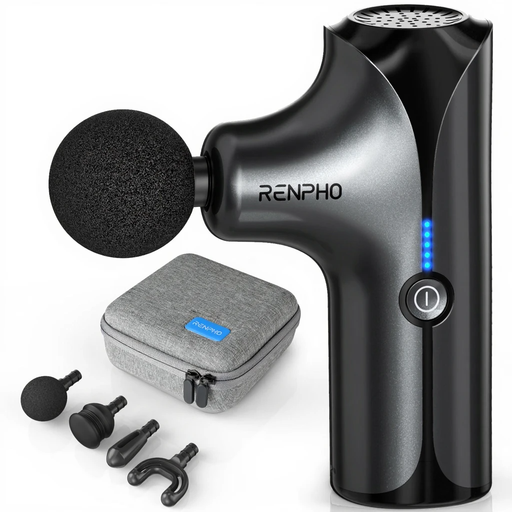
Why it suits this profile: A compact option if you’re trying a massage gun for the first time, whether at home or after exercise.
The specifications clearly list five speeds and four heads, so your choice isn’t based on marketing terms alone.
It weighs around 450 grams, has an LED display, is rechargeable and, according to the product information, has a usage time of 4 to 5 hours.
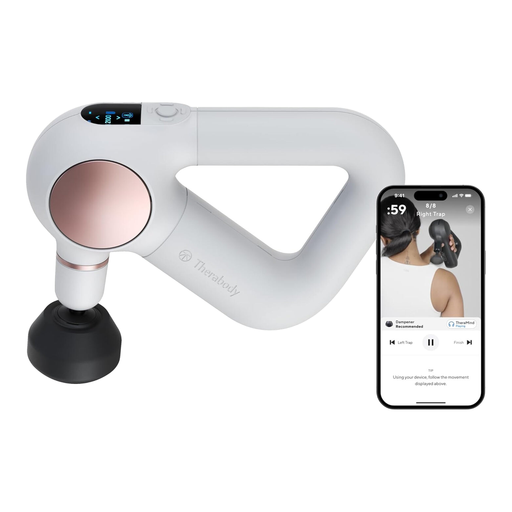
Why it suits this profile: A good fit for users who value a guided routine and a choice of attachments.
The product description lists four specific attachments, an ergonomic triangular handle and app guidance.
Four heads included, USB-C charging and a weight of approximately 1.65 kg, according to the product specifications.
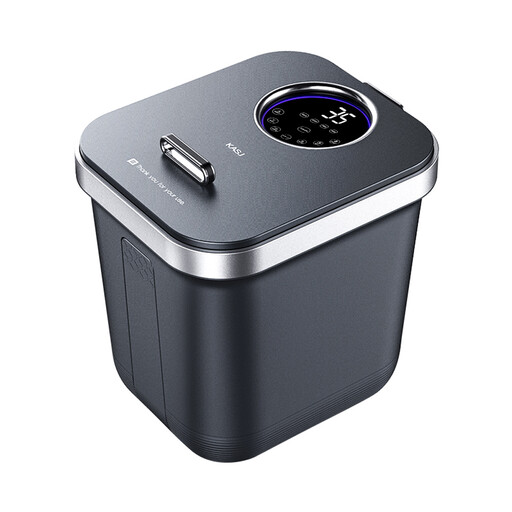
Why it suits this profile: For anyone looking for warm foot care and relaxation rather than a portable muscle massager.
The temperature, timer, water circulation and drainage are clearly listed, so you know in advance that maintenance is part of using it.
35 to 48 °C, six rotating rollers, two sets of moving pressure points, wheels and a timer.
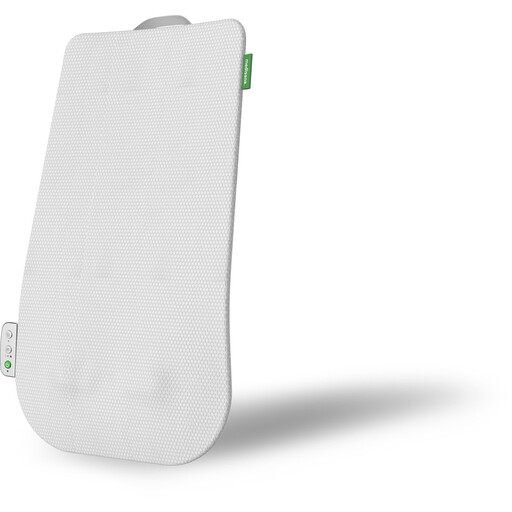
Why it suits this profile: A practical option if you want to use a chair or armchair as a regular spot for back massages.
You can select the massage area: upper back, lower back or the whole back. That’s more helpful than a general intensity label alone.
Three programmes, a heat function, remote control, fastening strap and automatic shut-off after 15 minutes.
We’ve put together a complete, up-to-date list of products that meet these strict selection criteria and current European safety regulations.
Read the instructions before using your device for the first time and start at the lowest intensity. Keep these basic guidelines in mind:
A massage device is designed for comfort and relaxation, not as a substitute for medical care.
A neck massager, massage cushion or shiatsu massager may be a good choice if you want to target your neck and shoulders. Check that the model supports the right area of the body and that you can set it to a low enough intensity. Avoid devices that the instructions say shouldn’t be used on the neck.
It varies by model. Many devices have a timer set between 15 and 30 minutes. Always follow the usage time given in the instructions, and start with a shorter session if you’re new to using the device. Using it for longer doesn’t automatically make it more comfortable.
A cordless massager mainly uses electricity when it’s charging. Consumption depends on the battery capacity, how often you charge it and how long you use it. Devices with a heat function or water circulation generally use more energy than a simple manual or rechargeable massager. Check the battery details or stated power consumption before you buy.
