
Vandaag of morgen in huis

Kwaliteit gegarandeerd

Welkomstaanbiedingen ontgrendelen: GRATIS bezorging | Tot 80% korting | Gratis 30 dagen JoyPlus-proefperiode
Download de app
A massage device can come in handy after a long day at work, during a break at the office or while relaxing on the sofa at home. But there’s a huge range to choose from. A massage cushion for your back works differently from a cordless neck massager or a scalp massager.
So the most important question isn’t which advert makes the biggest promises, but which device suits your needs. Pay particular attention to the type of massage, power supply, heat function and how to clean the device.
The term shiatsu massage device is used to describe a range of techniques. Some models have rotating massage heads that knead, while others only vibrate or apply pressure. So check the product specifications:
A vibrating back massager offers a different experience from a kneading massage device with rotating heads. So don’t expect every product labelled “shiatsu” to work in the same way.
A massage device with heat can feel soothing, but heat isn’t automatically right for everyone. Check whether you can switch the function on and off separately, and whether there’s a time limit for use. For example, the Medisana MC 600 switches off automatically after 15 minutes.
Use heat with care if you have reduced skin sensitivity, and always follow the instructions. Brand descriptions of relaxation or circulation benefits aren’t medical guarantees. A brand’s own research or claims shouldn’t be treated as established health facts.
A cordless massager gives you flexibility, but battery life, charging time and the charging connector all affect how practical it is day to day. A model with USB charging can be handy when travelling, but check whether it uses Micro-USB or USB-C, and whether the required adapter is included.
An electric massage device with a mains cable may be a better choice for a favourite chair. You won’t need to keep an eye on the battery, but you will need to be near a plug socket.
First, choose the part of your body you want to use the device on:
A universal fit doesn’t mean that every body or chair will get the same level of support. Check the dimensions and how you’ll use the device before ordering.
A remote control is useful with a massage cushion or back support. For a neck massager, a touch panel or hands-free design may be more comfortable. Also check how many settings it has. Three intensity levels are easy to navigate, while six modes offer more variety—but you may not need them all.
Check whether:
Don’t use a massage device while you’re asleep, and stop immediately if you experience pain, irritation or overheating, or hear an unusual noise. If you’re unsure whether it’s suitable for you because of a medical condition, it’s sensible to speak to a doctor.
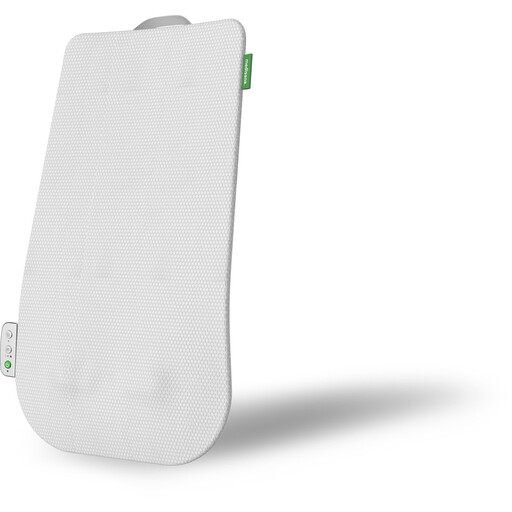
Why it suits this user: This back support turns a suitable chair or armchair into a dedicated massage spot. It comes with a remote control, and you can choose to target your upper back, lower back or entire back.
The three intensity programmes and selectable zones make it clear what you’re setting. Automatic shut-off after 15 minutes helps limit prolonged use.
Vibrating massage, three programmes, a heat function, remote control and a fastening strap. The stated power is 24 W.
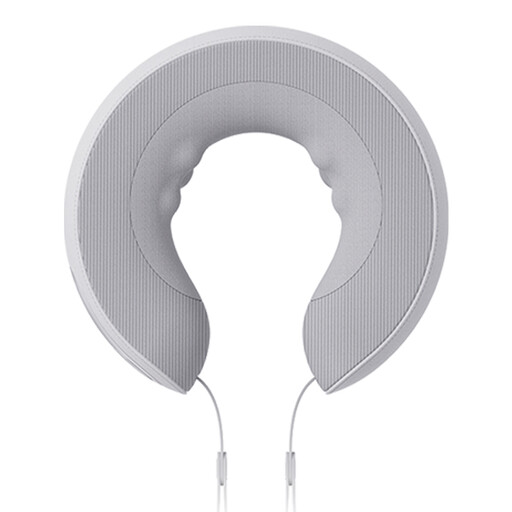
Why it suits this user: This model is designed for the neck and shoulders. According to the product description, it has rotating massage points, heat and an ergonomic shape for use while sitting or lying down.
The product description specifies 3D rotation, 42 contact points and a fixed heat setting of 43 °C, giving you more technical detail than a general shiatsu claim alone.
Coverage for the neck and shoulders, heat and a removable cover, according to the product information. Don’t use it while asleep or expose it to water.
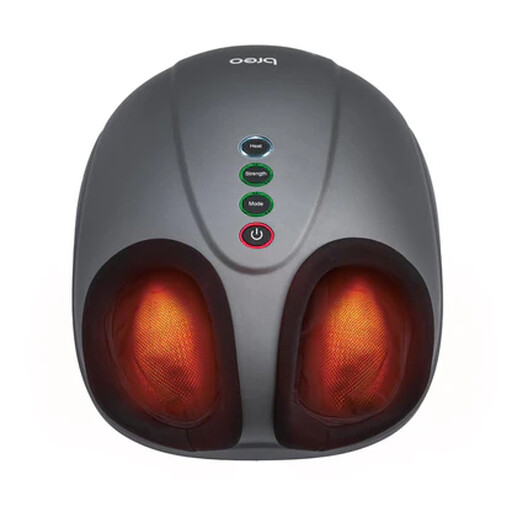
Why it suits this user: If you’re looking to massage tired feet in particular, this foot massager offers kneading, rolling, compression and an optional heat function. The model is specified for feet up to size 12.
The product information lists three compression levels, several massage types and a temperature range of around 40–45 °C. This lets you compare the features and fit in advance.
Touch controls and removable, washable foot linings. If you have diabetes, neuropathy or another medical condition, the product information advises speaking to a healthcare professional first.
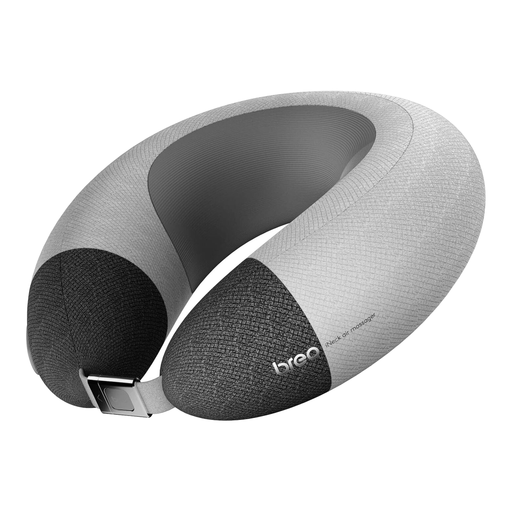
Why it suits this user: Its U-shape, inflatable design and Micro-USB charging make it suitable for use in the car, at the office or while travelling. The device is compact and easy to store.
Its portability is backed up by specific features: automatic inflation and deflation, a storage bag, three modes and USB charging.
Rotating massage heads, three modes, heat and hands-free use. Use it for no more than 15 minutes at a time and follow the safety information.
The running costs of a massage device depend mainly on its power and how long you use it. A 24 W device running for 15 minutes uses around 0.006 kWh per session. The exact cost depends on your energy tariff. With cordless models, you mainly pay for charging; practical usage time depends on battery capacity, intensity and how much you use the heat function.
To help your device last longer, use it correctly:
We’ve put together a complete, up-to-date list of products that meet these strict selection criteria and the applicable European safety requirements.
Many models run a programme of around 15 minutes or recommend a similar length of use. Follow the instructions, take breaks and stop if you feel pain, irritation or discomfort. Using a device for longer doesn’t automatically make it more suitable.
Heat can feel comfortable, but check whether you can switch the function off. Don’t use heat if you have reduced skin sensitivity, and watch out for signs such as a burning sensation or overheating. If you have a pacemaker or another implanted medical device, check the safety information and speak to a doctor first if necessary.
It depends on the power, session length and your electricity tariff. A low wattage and short automatic programmes help keep electricity use down. For a cordless massager, battery life is especially important, as you’ll need to charge the device regularly.
