
Vandaag of morgen in huis

Kwaliteit gegarandeerd

Welkomstaanbiedingen ontgrendelen: GRATIS bezorging | Tot 80% korting | Gratis 30 dagen JoyPlus-proefperiode
Download de app
Buying a massage device seems straightforward, until you have to choose between a scalp massager, eye massager, foot massager or full-body massage mat. Many models promise deep relaxation, heat or a professional massage, but the practical differences often come down to details such as controls, cleaning, intensity settings and power supply.
When comparing models, look out for these three common pitfalls:
A scalp massager or shiatsu head massager uses different massage heads from a foot massager. For home use, these are the main categories:
Check that the manufacturer clearly states which parts of the body the device is suitable for. A model with interchangeable heads can be versatile, but it takes more time to set up, clean and store.
A good comparison starts with checking the specifications. Look for:
With a heated massage device, the temperature matters more than simply having a “heat function”. For example, the Breo Eye Massager See7 lists a warm setting of around 38–42 °C and a cool setting of approximately 18–20 °C. According to Breo’s product description, these are comfort features and should not be considered a medical treatment.
It’s also wise to be cautious with a cellulite massager. According to Medisana’s product description, the AC 950 is designed to massage areas including the thighs, hips and arms. Changes to the appearance or texture of your skin are not guaranteed. Don’t use the device on damaged, inflamed or less sensitive skin.
A cordless massage device is handy for the office, bedroom or when you’re out and about, but check the battery and charging method. USB-C or USB charging is convenient, while a model that uses AA batteries doesn’t need a mains socket but does require spare batteries.
Also check:
An IPX7 rating means the device can be temporarily submerged under certain laboratory conditions. It doesn’t automatically mean you can use it while charging, in the bath or on wet hair. Always follow the safety information provided by the manufacturer.
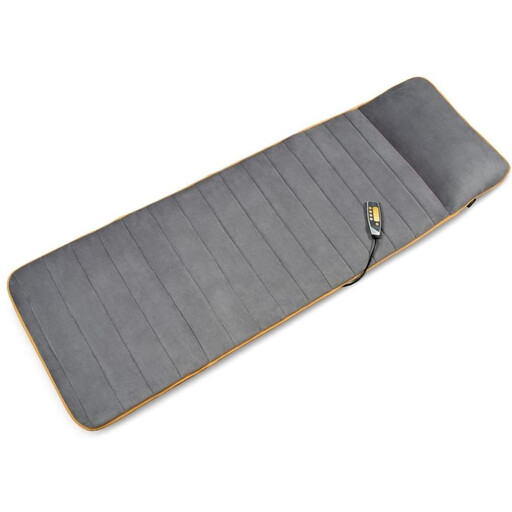
Why it suits this profile: This mat is a good choice if you want to try different massage zones without committing to a specialist device. It folds away for storage at home, at the office or when travelling.
The product details specify several massage zones, adjustable intensity and a separate heat function. This means the key settings are clear from the outset.
Multiple zones, adjustable intensity, built-in heat function and a lightweight, foldable design.
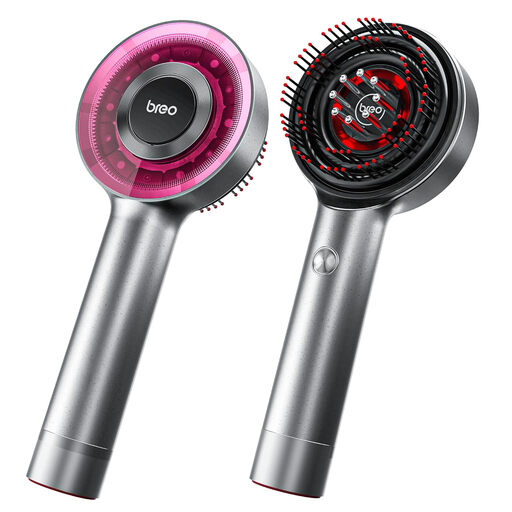
Why it suits this profile: This compact scalp massager is a good fit if you’re looking for a cordless model to use at home or on the go.
The description lists three modes, an IPX7 rating and a compact size. Only use it with water in line with the safety instructions, and never while it’s charging.
Cordless use, portable design, interchangeable oil applicator and skin-friendly massage heads, according to the product information.
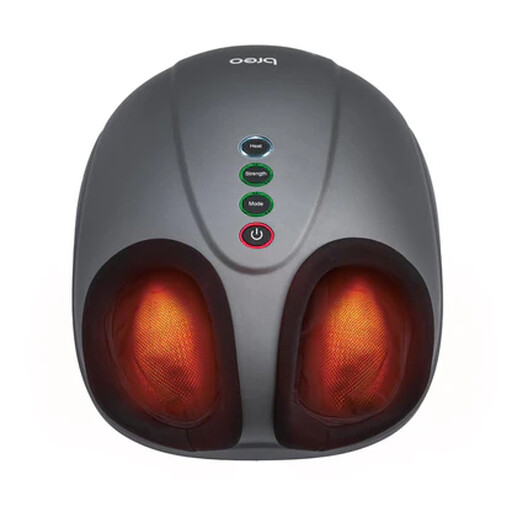
Why it suits this profile: This foot massager is designed for people who want to focus on their feet and value a choice of pressure and massage functions.
Rather than making a vague claim, the product details list kneading, compression, rolling, scraping and three compression levels. The temperature setting is specified as approximately 40–45 °C.
Several foot massage techniques, adjustable compression, optional heat and removable, washable linings.
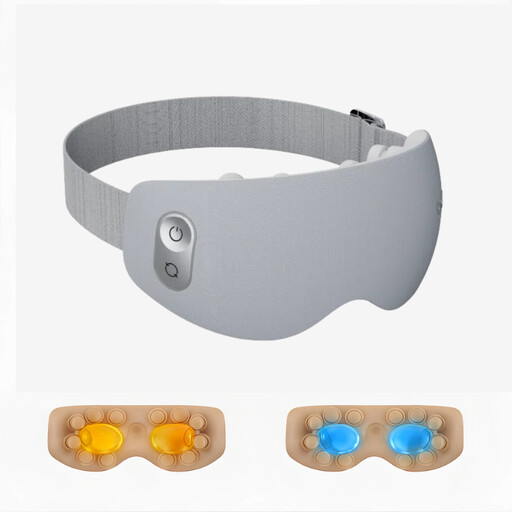
Why it suits this profile: This portable eye massager is designed for people who want to combine heat, cooling and vibration around the eyes.
The product information lists separate heat, cooling and vibration modes, a maximum session length of around 10 minutes and USB-C charging.
Three vibration levels, warm and cool settings, around 80–100 minutes of battery life and a weight of approximately 290 grams.
We’ve put together a complete, up-to-date list of products that meet these strict selection criteria and comply with current European safety regulations.
Its lifespan depends on the battery type, motor, frequency of use and maintenance. Clean the massage heads according to the instructions, don’t leave the device plugged in unnecessarily, and store it somewhere dry. If your model has a lithium battery, avoid leaving it in the heat or direct sunlight for long periods.
A cordless model uses relatively little electricity per charge. The cost depends on the battery capacity and how many sessions you have. A model that uses AA batteries doesn’t need a charging cable, but you’ll need to factor in the cost of replacements. So check which accessories are included and how the device is charged.
It depends on the product and the area of your body you’re using it on. Start at the lowest intensity and follow the recommended session length. Don’t use a device on damaged or irritated skin, and stop if you experience pain or ongoing discomfort. If you have an existing medical condition, it’s best to consult a healthcare professional.
