
Vandaag of morgen in huis

Kwaliteit gegarandeerd

Welkomstaanbiedingen ontgrendelen: GRATIS bezorging | Tot 80% korting | Gratis 30 dagen JoyPlus-proefperiode
Download de app
A massage device can be a convenient way to relax at home, in the office or while travelling. Yet many people buy a model that barely gets used after a few weeks. The problem often lies not with the massage function itself, but with choosing the wrong device for the area of the body, impractical controls or unclear safety information.
This guide compares the key specifications to help you find the type of massage device that suits the way you use it. From a neck and shoulder massager to a foot spa and a cordless massager, the main differences come down to the design, power supply, heat function and maintenance.
A small electric massage device is not automatically suitable for your neck, back, feet and scalp. A scalp massager, for example, uses different massage heads from a back massager. Always check which area of the body the model is designed for, according to the product information.
Portable models with a hands-free strap are practical for the neck and shoulders. For a chair or armchair, a shiatsu massage cushion or massage back rest is a more logical choice. If tired feet are your main concern, it is better to look at a foot massager or foot spa.
A massage device with a heat function can feel pleasant, but pay attention to how adjustable it is. Check whether the heat can be switched on and off, how many settings are available and whether there is an automatic shut-off. Claims in brand descriptions about the additional effects of heat are not established medical facts. Think of heat primarily as a comfort feature.
A device that is difficult to clean is more likely to end up in the cupboard. With a foot spa, a drain point, removable parts and drying instructions are important. With a cordless massager, you should also check the battery life, charging method and weight.
Pay attention to warnings, too. Do not use a massager on damaged or inflamed skin, and stop immediately if you experience pain, numbness or irritation. If you have a medical condition, reduced sensitivity or an implanted medical device, it is advisable to consult a doctor.
Do not just look at the number of settings; focus on the movement itself:
A neck and shoulder massager with several modes can be appealing if you spend a lot of time sitting down. For everyday use at a desk, a back massager designed for a chair may be more convenient than a handheld model.
A 7.4 V battery or a stated capacity in mAh does not, by itself, tell you how long a device will last. Battery life depends on the selected intensity and heat function. So, pay particular attention to the stated battery life and check whether charging is via USB-C or a dedicated adapter.
A cordless massager is convenient for use in different rooms or while travelling. A mains-powered model, on the other hand, may be suitable for a permanent location, such as an armchair. Weight is also worth considering: a heavy device is less comfortable when you have to hold it against your neck, shoulders or legs.
A timer and automatic shut-off reduce the risk of the device running unnecessarily long. The Medisana MC 600 model, for example, lists an automatic shut-off after 15 minutes. A foot spa has different considerations: use it only while seated, do not move it with wet hands and allow it to dry completely after use.
Check whether covers are washable, massage plates can be removed and water-resistant parts are clearly indicated. IPX7 water resistance does not mean that every component can be safely used under all conditions. Always follow the instructions and do not charge an electrical device near water.
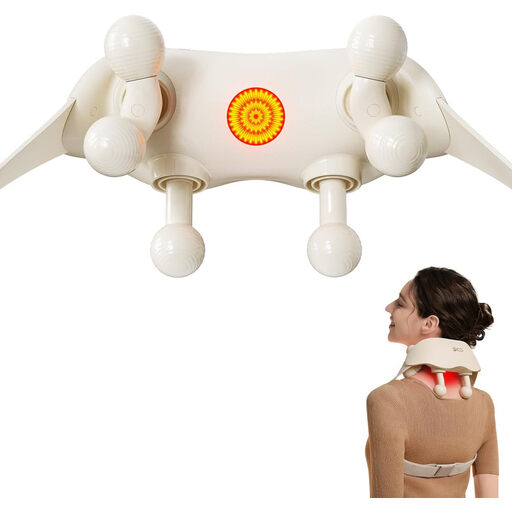
Why it suits this profile: This portable model targets the neck and shoulders and is suitable for use at home or during a break. The hands-free strap means you do not need to hold it.
The specifications list six modes, three heat settings and up to 70 minutes of battery life. This makes the settings more specific than a general claim about massage alone.
Cordless design, elastic neck support, hands-free strap and adjustable heat.
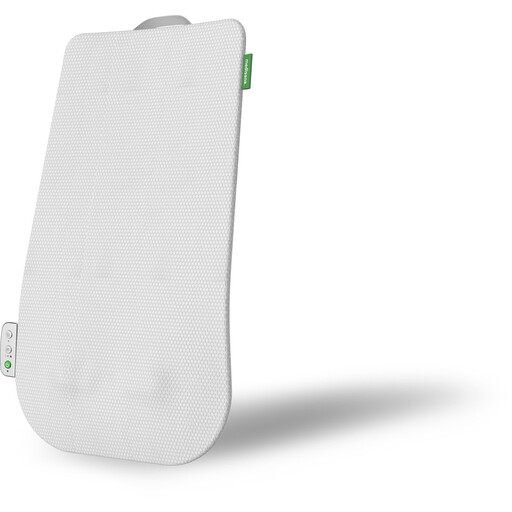
Why it suits this profile: This massage back rest is designed for a fixed chair or armchair. That makes it a good fit for anyone who wants to relax regularly in the same place.
The product information specifies three intensity programmes, separate zones for the upper and lower back, and a 15-minute timer.
Remote control, heat function, securing strap and compatibility with most chairs and armchairs.
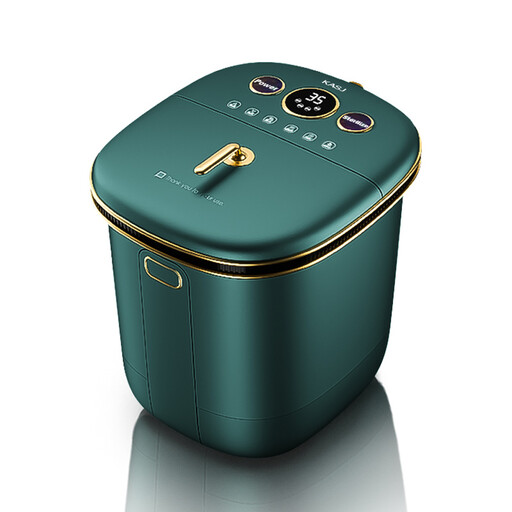
Why it suits this profile: This foot spa is ideal for people who want to combine heat, water and massage after a day spent standing or after exercise.
The temperature can be adjusted from 35 to 48 °C, and a timer, drain point and removable massage plates are specified. This makes operation and cleaning more straightforward.
Deep basin, six rotating rollers, two moving pressure points, water circulation and wheels for easy movement.
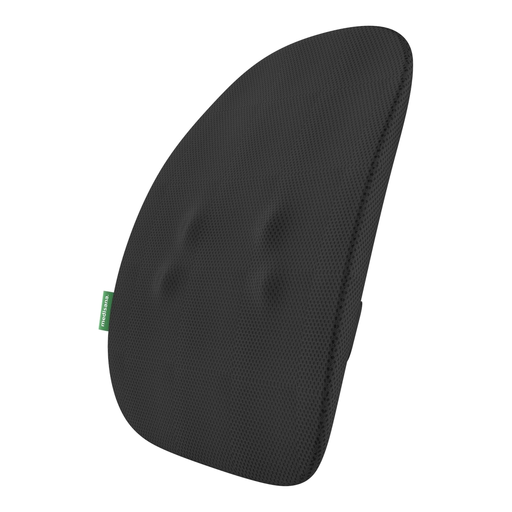
Why it suits this profile: The battery power makes this shiatsu-style massage back rest suitable for use at home, in the office or in another suitable seat.
The model has a specified battery voltage of 7.4 V and weighs 1 kg. This makes it clear in advance that portability is a central part of the design.
Cordless use, ergonomic textile construction, simple controls and deep kneading massage according to the product description.
We have put together a complete, up-to-date list of products that fully meet these strict selection criteria and the applicable European safety regulations.
Read the instructions before use and start at a low intensity. Do not use a massager while sleeping, driving or operating machinery. A heat function is not suitable if your skin sensitivity is reduced, unless otherwise advised by a doctor.
Foot spas have additional requirements:
Its lifespan depends on how often it is used, the strain placed on the motor, battery care and cleaning. Do not leave a device running for longer than stated in the instructions, and store it in a dry place. With a rechargeable model, it helps to charge the battery according to the instructions and not to open it yourself.
This varies depending on the model and its power rating. A 24 W device running for 15 minutes theoretically uses around 0.006 kWh per session. Heating, intensity and standby consumption can affect the actual usage. A cordless massager does not use mains electricity directly during a session, but it does need to be charged.
That depends on the type of device, the intensity and your personal circumstances. Follow the recommended usage time and do not switch to the highest setting without good reason. A massage device is intended for relaxation and muscle comfort, not as a substitute for medical treatment. If you experience persistent pain or an unusual reaction, it is advisable to contact a healthcare professional.
