
Vandaag of morgen in huis

Kwaliteit gegarandeerd

Welkomstaanbiedingen ontgrendelen: GRATIS bezorging | Tot 80% korting | Gratis 30 dagen JoyPlus-proefperiode
Download de app
A massage device can come in handy after a long day at work, during a break at the office or after exercise. There’s a wide range to choose from, from electric neck massagers to massage guns, eye massagers and shiatsu back massagers. With so many options, it’s not always easy to tell which features are right for you.
Look out for these three common pitfalls:
A massage gun uses percussive movements and is usually designed for larger muscle groups such as the legs, calves, shoulders and back. Check how many attachments are included and whether the handle is comfortable enough to reach awkward areas.
A shiatsu massager typically uses rotating or kneading massage heads. This type is a good fit if you want a back or shoulder massage while seated. A backrest with a rechargeable battery is handy at home or in the office, but check that its shape fits your chair properly.
For your scalp, an electric head massager or massage brush is a more suitable choice. Check whether the massage heads can be removed and how the device should be cleaned. An eye massager calls for extra attention to fit, pressure and heat settings.
A cordless massage device gives you more flexibility, but a built-in battery often makes the product heavier. Look out for:
The stated battery life is a product specification, not a guarantee of how long it will last in your situation. For example, according to the product description, the Breo iDream5s supports up to 90 minutes of cordless use, based on 15-minute sessions per day. If you’re buying a rechargeable massager, it’s also worth checking the manual for charging and usage times.
A massage device with heat can feel pleasant, but heat isn’t suitable for everyone. Check whether it has multiple temperature settings and whether the instructions include any warnings. Don’t use heat on the highest setting for long periods, and stop if it feels uncomfortable.
For an eye massager, soft contact materials, adjustability and ease of cleaning matter more than a long list of modes. With a cupping massager, check how the device should be moved and look for warnings about sensitive or damaged skin. Claims about improved circulation, muscle recovery or reduced stress come from product information or brand communications and shouldn’t be taken as evidence of a medical effect.
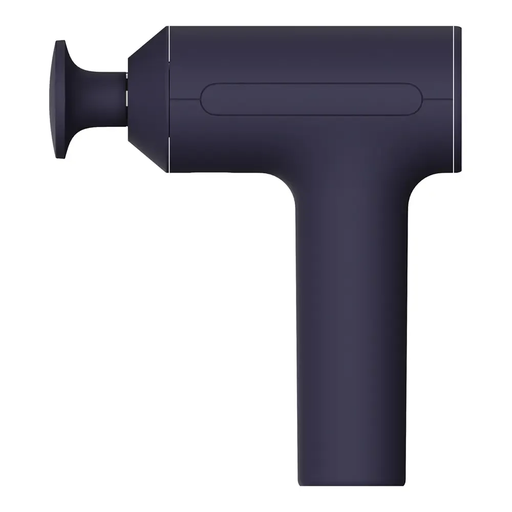
Why it suits this user: A compact massage gun is a straightforward starting point if you want to work on different muscle groups without buying several devices.
The product information lists several speed settings and a rechargeable battery. Before buying, check exactly which attachments and run time apply to the current version.
Multiple speed settings, USB-C charging and a design made for everyday use.
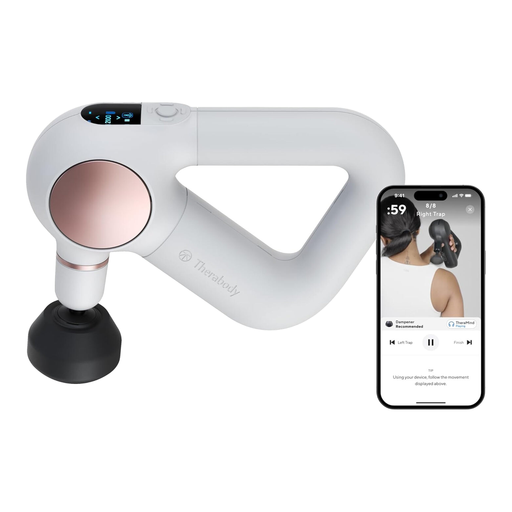
Why it suits this user: A good choice if you’re looking for a massage gun with multiple heads, app controls and an ergonomic triangular handle.
The specifications list four attachments and Bluetooth connectivity. This makes it easier to assess the areas of use and controls in advance than with general marketing claims.
Four massage heads included, app routines and a stated weight of around 1.65 kg.
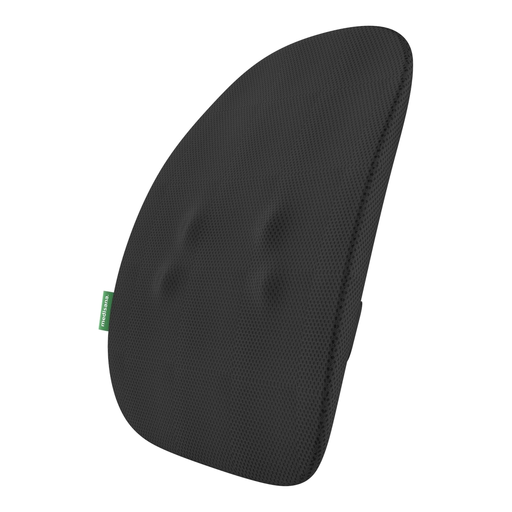
Why it suits this user: This cordless back massager is designed for anyone who mainly wants a back massage while seated, at home or in the office.
The product specifications list a 7.4 V battery, a weight of 1 kg and a backrest design. Check your chair’s dimensions before ordering.
Cordless design, shiatsu kneading massage and easy placement on a suitable chair.
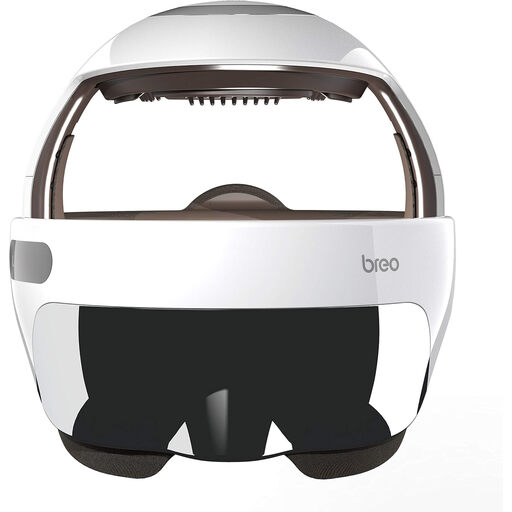
Why it suits this user: This head and eye massager combines compression, heat and kneading massage for short moments of relaxation at home or in the office.
The product description lists 150 pressure points, an adjustable strap, removable eye components and app controls. This makes it easier to find the right fit and features for your routine.
Up to 90 minutes of cordless use according to the product description, plus heat, compression and app controls.
We’ve put together a complete, up-to-date list of products that meet these strict selection criteria and the applicable European safety requirements.
Read the manual before using a massage device. If you’re using a massage gun, head massager or neck massager, start at the lowest intensity. Avoid damaged skin, bones, joints and sensitive areas. Use heat with care, and don’t leave a device charging or running unattended.
If you have a medical condition, are pregnant, have reduced sensitivity or are unsure whether a device is suitable for you, it’s best to consult a doctor. A massage device is intended for personal comfort and is not a substitute for medical treatment.
It varies by model, intensity and session length. Don’t just look at “up to” claims; check the battery capacity, charging time and charging connector too. In practice, a device used for 10 minutes at a time may last longer than one used continuously at a high intensity.
Running costs are usually limited to charging the battery. Power consumption depends on the battery capacity and how often you charge it. Also check whether replacement massage heads, cleaning parts or a replacement battery are available. In the long run, these costs may matter more than the energy used.
That depends on the instructions, intensity and area of the body. Keep sessions short, start at a low setting and move the device gently over your muscles. Avoid applying direct pressure to your spine, joints or damaged skin. Stop if you feel pain or discomfort, and follow the manufacturer’s safety instructions.
