
Vandaag of morgen in huis

Kwaliteit gegarandeerd

Welkomstaanbiedingen ontgrendelen: GRATIS bezorging | Tot 80% korting | Gratis 30 dagen JoyPlus-proefperiode
Download de app
A massage device can come in handy after exercise, during a break at work or when you want to relax at home. Yet many models look alike in adverts. In practice, a massage gun, foam roller or shiatsu massager can vary considerably in ease of use, intensity and reach.
As Joybuy Product Recommendation Officer, I filter product information by verifiable features. That way, you can avoid paying mainly for marketing terms that tell you little about how a product will work in everyday use.
A powerful massage may sound appealing for deep tissue massage, but it isn’t suitable for every part of your body. A setting that’s too intense can feel uncomfortable, especially around joints, bones and sensitive areas. Check whether the device has several speeds or intensity settings, and whether you can start gently.
Heat, app-based routines, sensors and red-light features can make a device more comfortable or easier to use. However, they don’t replace clear technical information. First, look at the massage heads, controls, battery and weight. According to information from Therabody, for example, the Theragun Sense has a biometric sensor and guided routines in an app. This is a description of the brand’s features, not a guarantee of a particular result.
A heavy massage gun can be difficult to use if you want to treat your back, shoulders or calves on your own. A smaller model is easier to carry, but may have less reach or power. So check the weight, handle and shape. For massaging your back, an extended handle may be more practical than a compact model.
A round head is generally designed for larger muscle groups, while a flat or U-shaped head offers a different contact shape. Always check the instructions, and don’t use a massage gun on bones, joints, the front of your neck, or an injured or inflamed area.
A foam roller may be suitable for myofascial release and targeted muscle massage. It doesn’t need a battery, and you control the pressure using your body weight. An electric massage device is quicker to get started with and takes less effort, but it needs to be charged and maintained.
Weight matters if you plan to use your device regularly. According to the product specifications, the Xiaomi Mini weighs 375 grams. The Theragun Sense is listed at around 1.65 kilograms. You’ll notice the difference during longer sessions or when treating hard-to-reach areas yourself.
An ergonomic or extended handle can help you reach your back and leg muscles. Also check that the device is comfortable to hold and that you can reach the buttons while using it.
Check the charging method, battery life and included cable. A cordless model is handy at home, at the gym and on the go. If a device has a heat function, check the temperature setting. The Breo Lucky 7, for example, lists a heat function of up to 45 °C and three intensity levels.
Clean massage heads and rollers according to the instructions. Don’t immerse electrical devices in water. Stop immediately if you feel pain, numbness or irritation. If you have a medical condition, are pregnant, have a pacemaker or are unsure whether it’s safe to use, it’s best to consult a doctor.
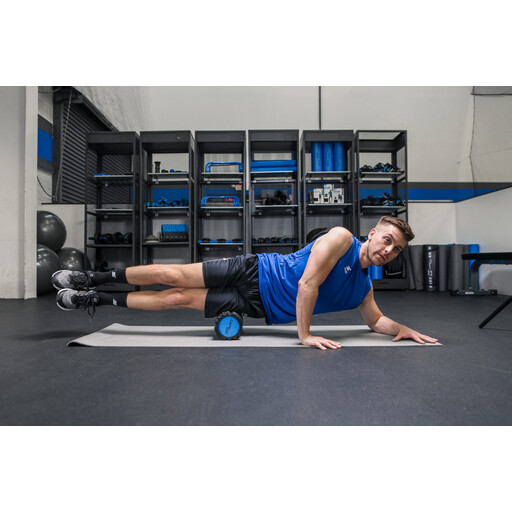
Why it suits this profile: This roller doesn’t need charging and is suitable for fitness, yoga, Pilates and everyday use at home. At around 30 cm long, it’s also easy to take with you.
You’re not paying for a motor, battery or app. Its high density and fixed design provide predictable pressure, as long as you adjust the intensity yourself using your body weight.
PVC and PE construction, 30 cm length and a nylon mesh bag. Clean with a damp cloth and mild soap.
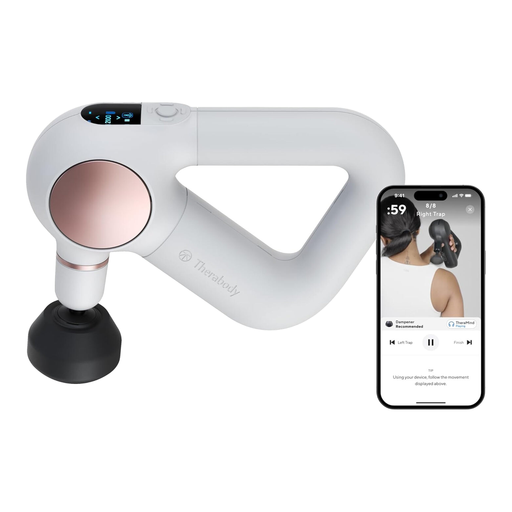
Why it suits this profile: This model is designed for users who value extra guidance and a range of accessories for muscle massage, relaxation and recovery after exercise.
The ergonomic triangular handle and four included attachments offer different ways to hold the device and make contact with your muscles. Do check that its weight suits the way you plan to use it.
Four massage heads, USB-C charging and app connectivity with guided routines, according to the product description.
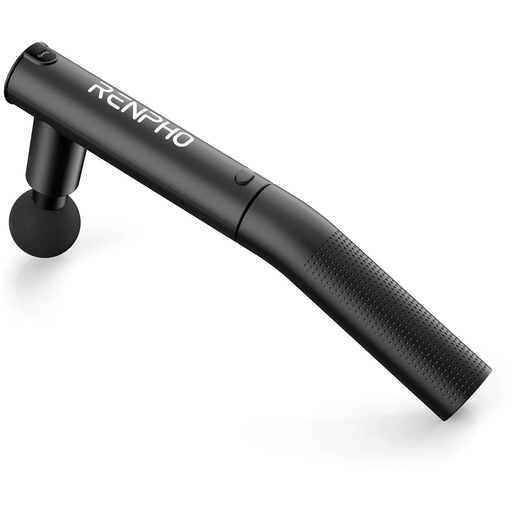
Why it suits this profile: The extended handle is handy if you want to reach your back, legs or other hard-to-reach muscles yourself.
Your reach isn’t limited to your arm position. The attachments and four speeds give you more choice than a device with just one fixed setting.
According to the product specifications: 8 mm amplitude, maximum massage force of 14 kg, four heads and a weight of around 0.8 kg.
We’ve put together a complete, up-to-date list of products that meet these strict selection criteria and current European safety requirements.
Start at a low intensity and move the device slowly over the muscle. The product specifications for some models recommend around 15 to 60 seconds per muscle group. Avoid holding it in one place for too long. Stop if you feel pain, numbness or discomfort.
The cost per use is usually limited to charging the battery. The exact electricity consumption depends on the battery capacity, charging time and how often you use it. A foam roller has no charging costs, but does require you to move and apply pressure yourself.
That depends on the model, its intensity and your personal circumstances. Follow the instructions, alternate between the muscle groups you treat, and don’t use the device on injured, inflamed or numb areas. If you have ongoing symptoms or an existing condition, a massage device shouldn’t replace professional medical advice.
