
Vandaag of morgen in huis

Kwaliteit gegarandeerd

Welkomstaanbiedingen ontgrendelen: GRATIS bezorging | Tot 80% korting | Gratis 30 dagen JoyPlus-proefperiode
Download de app
A massage device can come in handy after a long day at work, while travelling or after exercise. But the difference between a device you use regularly and a purchase that ends up forgotten in a drawer often comes down to more than just the price. The wrong massage head, unclear heat settings or an impractical design can quickly make it less enjoyable to use.
This guide will help you compare different options based on features you can check, such as the massage area, intensity settings, battery life and controls.
Terms such as “deep relaxation”, “professional” or “powerful therapy” don’t tell you much on their own. It’s better to check:
A brand’s claim about muscle recovery or improved circulation, for example, is not a guaranteed result. When a brand makes such a claim, it is based on the brand’s own product information or research. Think of a massage device as a relaxation aid, not a substitute for medical advice.
A heated massager can feel soothing when you want to relax, but heat doesn’t automatically make a device more suitable for every part of the body. Check the temperature settings, the layer between the device and your skin, and whether it switches off automatically. Don’t use the heat function for longer than the manufacturer recommends, and stop if you feel a burning sensation.
A heavy massage chair won’t suit every home, and a massage gun isn’t always practical in the office. For travel, an inflatable massage cushion or a cordless neck massager may make more sense. Check the following before you buy:
A neck massager with rotating heads is designed for the neck and shoulders. A back massager or massage cushion usually has a larger contact area. A massage gun uses pulsing movements and is mainly designed to target specific muscle groups. Use a massage gun as directed in the instructions, and don’t use it on your head, spine or hard areas of bone if the manufacturer advises against it.
A shiatsu massager usually has rotating massage heads. Check whether the movement is fixed or adjustable. With a manual roller, such as a muscle roller or massage stick, you control the pressure yourself. This makes it simple to use, but you’ll need to take care not to overdo it.
More settings don’t automatically mean a better experience. For everyday use, a low setting may matter more than a very powerful motor. A device with three to six settings will often offer enough choice for both a gentle relaxing massage and more intensive use.
Check the maximum session length too. Some devices switch off automatically after 15 minutes. For example, the product information for the RENPHO massage gun gives a session length of 15 to 20 minutes, with a maximum of 60 to 90 seconds per muscle group. Always follow the instructions for the model you choose.
A cordless massager is easy to take with you, but check how long it takes to charge and the stated battery life. Actual battery life depends on the intensity, heat function and how often you use it. A device with a heat function may run out of charge more quickly.
Also check whether the covers can be removed and how to clean the massage head. Electrical devices shouldn’t simply be held under a tap. A dry cloth and storage in a dry place are often the best options.
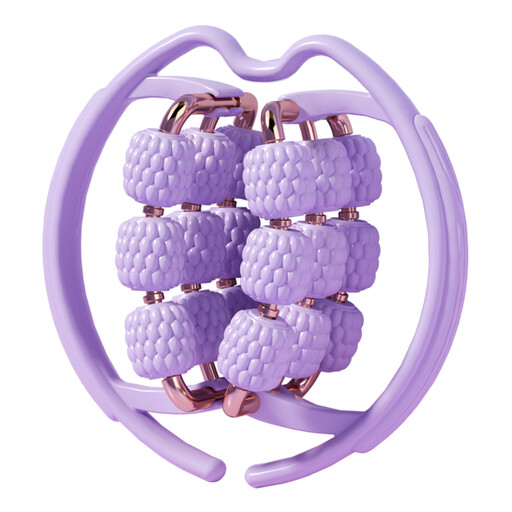
Why it suits this user: A manual roller is easy to understand and doesn’t need a charger or battery. You control the pressure and can use it on your arm, thigh or neck, as described in the product information.
There’s no complicated app, heat function or battery to maintain. You can immediately tell how much pressure feels comfortable.
18 wheels; suitable for several parts of the body; no charging time or electricity use.
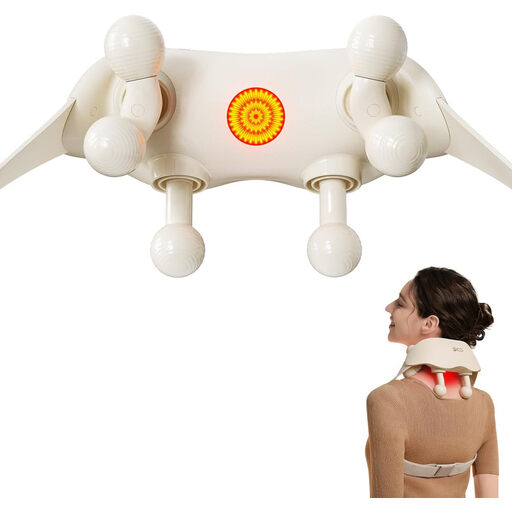
Why it suits this user: This model is designed for the neck and shoulders, combining rotating kneading massage with heat. Its cordless design and hands-free strap make it a good fit for working from home or relaxing on the sofa.
The product information lists three temperature settings, six modes and a battery life of up to 70 minutes. This makes the key settings clear before you buy.
Cordless; heat with three temperature settings; six modes; elastic neck support.
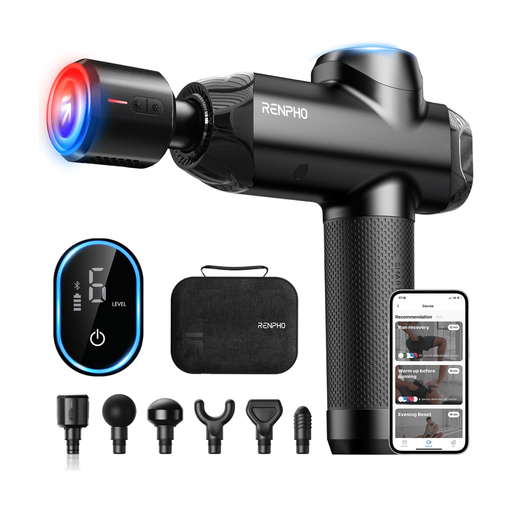
Why it suits this user: Sportspeople and active users can target different muscle groups. The massage gun comes with six attachments and six speeds, and has a stated amplitude of 12 mm.
The included attachments and speed settings give you a clearer idea of how to use it than a general claim about powerful massage alone.
Six attachments; six speeds; USB-C charging; carry case; app connectivity according to the product information.
We’ve put together a complete, up-to-date list of products that meet these strict selection criteria and the applicable European safety regulations.
Read the instructions before your first session. Don’t use a massage device on open wounds, swollen areas or irritated skin. If you have a pacemaker or another medical implant, are pregnant or have an existing health condition, it’s a good idea to consult a doctor first if the product information advises you to do so.
Use the heat function with care, and let the device cool down if the instructions say to. Don’t use a massage gun on your neck, head or spine if the manufacturer advises against it. Stop if you feel pain or numbness, or if your skin becomes irritated.
Its lifespan depends on the motor, battery, heat function and how often you use it. A device will generally last longer if you stick to the maximum session length, don’t use it while it’s charging, and store it somewhere dry and dust-free. When you buy, also check the warranty and your statutory rights relating to product conformity.
With a cordless model, the direct energy costs are usually limited to charging the battery. The overall cost of use mainly depends on the purchase price, battery replacements and any accessories. A manual roller has no electricity costs, while a massage cushion or massage chair runs on mains electricity.
It depends on the model and the part of the body you’re using it on. Stick to the recommended session length and start at a low intensity. Daily massage for relaxation may be suitable if the instructions allow it, but you should seek professional medical advice if your symptoms persist or get worse.
