
Vandaag of morgen in huis

Kwaliteit gegarandeerd

Welkomstaanbiedingen ontgrendelen: GRATIS bezorging | Tot 80% korting | Gratis 30 dagen JoyPlus-proefperiode
Download de app
A massage device can come in handy after a long day at work, while recovering after exercise or when you want to target a particular area at home. But the range spans everything from a simple massage comb to an electric massager with heat, compression or multiple massage heads. A high price or a long list of features doesn’t automatically mean a model is right for you.
Focus instead on what it’s designed for, how it works and the safety information. That way, you’re less likely to end up with a device gathering dust in a drawer after a few weeks.
Terms such as deep tissue massage, shiatsu massage and ‘professional’ massage sound appealing, but don’t always tell you how a device feels in practice. Check which parts of the body it’s suitable for, how many intensity settings it has and which attachments are included.
A massage gun, for example, is designed for larger muscle groups, while a scalp massager is intended for the scalp. A foot massager, meanwhile, uses a fixed foot compartment, rollers or air compression. So choose the area you want to target first, then consider the features.
A rating such as IPX6 or IPX7 tells you about water resistance under specific test conditions. It doesn’t mean you can use the device while it’s charging or that every part can be submerged.
Always check the instructions. For example, the Breo Scalp3 product information states that it has IPX7 water resistance, but also warns against using the device while it’s plugged into a socket. A waterproof massager should also be dried thoroughly after use, especially around the charging contacts.
With a cordless massage device, charging time, battery life, cleaning and replaceable parts matter too. A rechargeable massager is practical for travelling, but less so if the battery runs out quickly or it can only be charged with a specific cable.
Also check the warranty, returns policy and whether there’s a clearly identified responsible party in Europe. Claims about how a product works or helps with recovery aren’t guaranteed medical outcomes. A brand may mention certain effects based on its own research or product information, but your experience may differ.
More settings don’t automatically make a device more suitable. What matters more is being able to start at a low setting and adjust the intensity precisely. With a massage gun, check the speed, the number of attachments and how much pressure you need to apply when using it.
For heat, check the stated temperature and whether the device switches off automatically. Don’t use heat on damaged or inflamed skin, and stop if it feels uncomfortable. The Breo foot massager lists an adjustable heat setting of around 40 to 45 °C. This is a product specification, not a guarantee of pain relief or a medical effect.
The handle should feel secure without you needing to grip it tightly. Check the care instructions for silicone parts, and look for removable covers on foot massagers. A PVC and PE foam roller can be cleaned with a damp cloth and mild soap, but should be left to dry completely before you put it away.
Don’t use a massage device on open wounds, areas with reduced sensitivity or active inflammation. If you have a medical condition, are pregnant, have a pacemaker, diabetes or neuropathy, or have a recent injury, it’s best to seek advice from a qualified healthcare professional first.
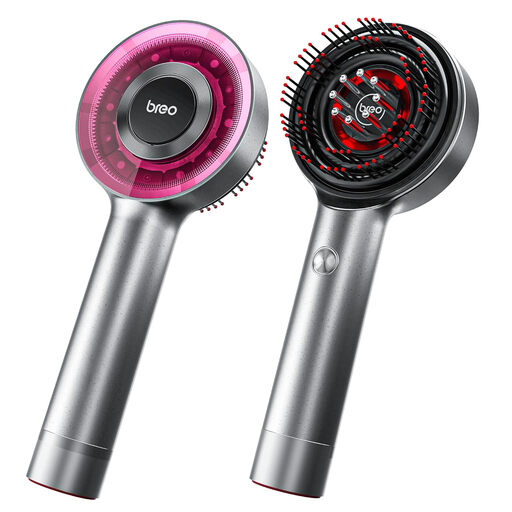
Why it suits this profile: This compact scalp massager is designed for people who mainly want to massage their scalp and don’t need a large device. Its stated portable design makes it easy to carry in a bag.
Its purpose is clearly defined: the scalp and hair. That means you’re not paying for lots of attachments you’re unlikely to use. Follow the warnings about water and charging.
IPX7 rating, cordless design and a central oil reservoir, according to the product description.
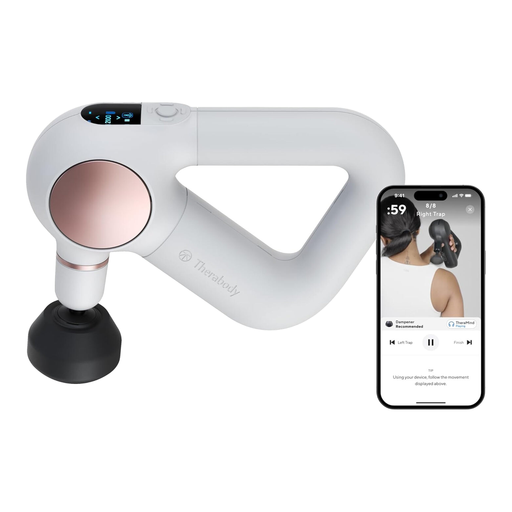
Why it suits this profile: Suitable for athletes and anyone who wants to target several muscle groups with one electric massage device. Its ergonomic triangular grip is designed to help you reach different areas on your own.
The four included massage heads give you a clearer idea of what the device is designed for than a model relying on general marketing claims alone. Don’t clean the device with water.
Four attachments, USB-C charging and stated app integration with guided routines, according to the product information.
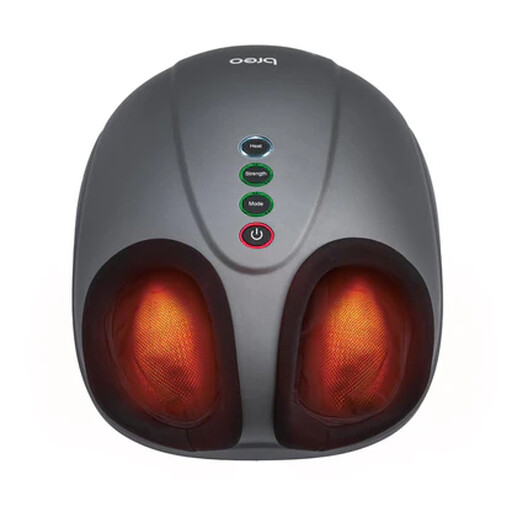
Why it suits this profile: This model is designed for tired feet after long periods of standing, walking or working. Its fixed design is better suited to home use than to taking with you when you’re out and about.
The product information lists specific features, including kneading, rolling, compression and heat. Check beforehand that your foot size is within the stated fit range.
Three compression settings, optional heat of around 40–45 °C, and removable, washable foot sleeves, according to the product description.
We’ve put together a complete, up-to-date list of products that meet these strict selection criteria and the applicable European safety requirements.
It depends on the type of device and the manufacturer’s instructions. Start at a low intensity and keep your first session short. Avoid using it on the same spot for too long. Stop straight away if you feel pain or numbness, or notice skin irritation. Always follow the instructions rather than relying on general advice.
Electricity costs are usually low, especially for a rechargeable massage device. The main ongoing considerations are battery wear, whether you might need a replacement charging cable, and the care of covers or massage heads. A foam roller costs less to use because it doesn’t need power.
No. Only use a massage gun on the body areas permitted in the instructions. Avoid bones, joints, the front of your neck and damaged skin. A foam roller can be an alternative for larger muscle groups, but take it slowly and stop if you feel uncomfortable.
