
Vandaag of morgen in huis

Kwaliteit gegarandeerd

Welkomstaanbiedingen ontgrendelen: GRATIS bezorging | Tot 80% korting | Gratis 30 dagen JoyPlus-proefperiode
Download de app
A massage device can come in handy after exercise, during a day at your desk or whenever you want to relax at home. However, massage guns, neck massagers, shoulder massagers and back massagers can vary considerably in how they work, their size and how easy they are to use. A device that suits a runner, for example, may not be comfortable for someone looking to ease tension in their neck and shoulders.
So don’t focus solely on terms such as deep tissue massage, muscle recovery or professional massage. Check the technical specifications, safety information and instructions for use above all.
Brands often make broad claims about pain relief, improved circulation, sleep or recovery. These claims don’t automatically apply to every user. A brand may promote certain features based on its own research or product information, but that doesn’t make the device a medical treatment.
Instead, choose based on verifiable features, such as:
A massage gun with a hard, pointed attachment is designed for targeted use on muscle groups, not on bones, joints, the front of your neck or irritated skin. A foam roller can apply firm pressure using your body weight. This may feel good on your legs and back muscles, but may be less suitable if you’re sensitive or have a recent injury.
Start electric devices on the lowest setting. Stop if you feel pain, numbness or discomfort, and always follow the instructions.
A cheap massage device may seem appealing, but check its upkeep and how practical it will be to use, too. A corded device will need to stay by a chair, while a cordless model is easier to take with you. With a massage cushion or massage chair, you’ll also need to consider how much space you have and whether the timer and heat function suit your routine.
A massage gun uses rapid, pulsing movements. Check the number of speeds, the attachments included and the handle design. An extended handle can help you reach your back or hamstrings yourself. A mini massage gun is more compact, but is generally lighter and smaller.
For a shiatsu massager or neck massager, the direction of rotation, massage zones and heat settings are particularly relevant. A model with several settings gives you more choice between a gentler and a more powerful massage. If it has a heat function, check the stated temperature and recommended usage time.
A foam roller should be firm enough not to sag too quickly. The high-density PVC and PE foam roller mentioned here is approximately 30 cm long and around 13 inches in diameter, according to the product information. Its hard core is designed to provide targeted pressure during self-massage. A nylon mesh bag makes it easier to take with you.
For a massage cushion or back massager, shape and support are important. An ergonomic curve may fit your neck and shoulders better, but the fit will vary depending on your build.
Check whether an electric massage device is rechargeable, which cable is included and how to clean it. The RENPHO R-C004, for example, has a rechargeable battery and comes with instructions advising you not to massage bones, joints, the spine or sensitive areas.
Don’t use electric devices with wet hands or near water. Also check the warnings for pregnancy, pacemakers, thrombosis, recent surgery or other medical conditions. If in doubt, ask a doctor for advice. A massage device is intended for personal use and is not a substitute for professional medical treatment.
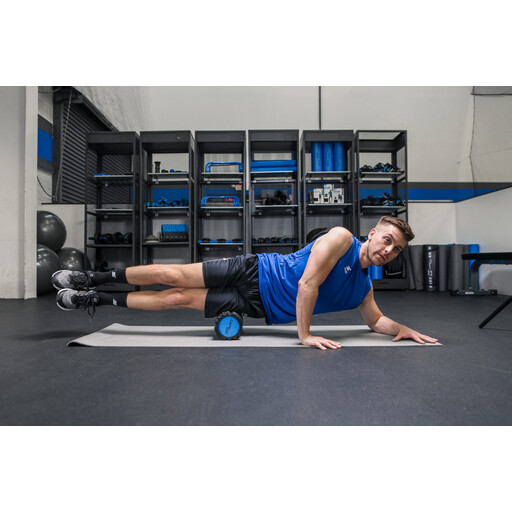
Why it suits this profile: This is a simple, non-electric option for beginners, sports enthusiasts and anyone who wants to massage their legs, back or hips at home. There’s no battery or controls to worry about.
The product information states that it’s made from high-density PVC and PE, giving the roller a firm structure. You can feel its effect directly through your body weight, without relying on unnecessary electronic features.
High-density construction, approximately 30 cm long, and supplied with a nylon mesh bag for storage and transport.
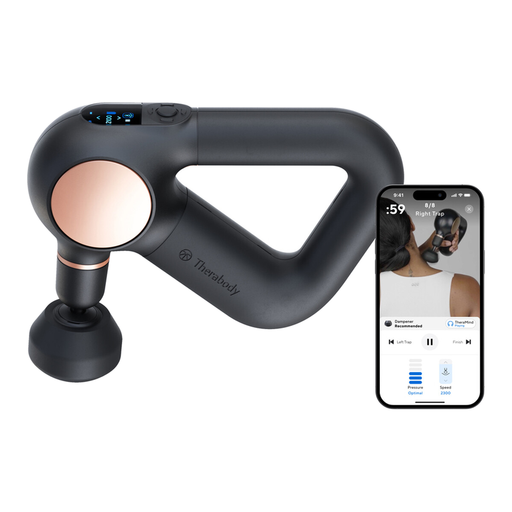
Why it suits this profile: This massage gun is designed for users who value a choice of massage heads, an ergonomic handle and app guidance as part of their routine.
Rather than focusing solely on a high speed, the product information lists four different attachments and a triangular handle for use in different positions.
Four massage heads, Bluetooth connection to the Therabody app, built-in battery and a stated weight of approximately 1.65 kg.
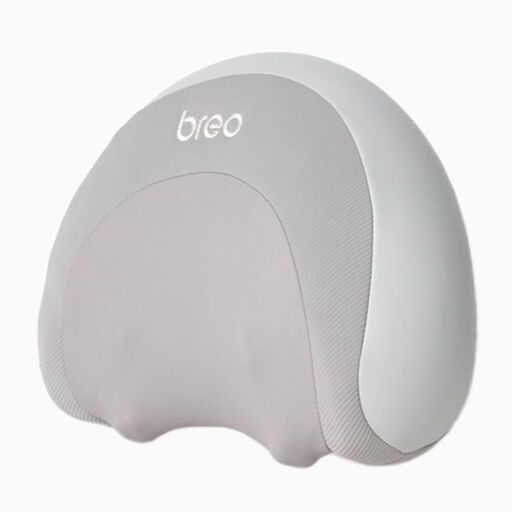
Why it suits this profile: This shiatsu massager is designed for people looking to support their neck, shoulders or lower back with a cushion-style device and adjustable heat.
The product description specifies three operating modes and two heat settings of 40–45 °C. This lets you adjust the function to suit you, rather than relying on a vague claim about heat.
Ergonomic wave design, three settings and adjustable heat. Don’t use while sleeping, driving or near water.
We’ve put together a complete, up-to-date list of products that meet these strict selection criteria and the applicable European safety regulations.
It depends on the type of device, its intensity and how your body responds. It’s best to use a massage gun or foam roller briefly on each muscle group and avoid applying pressure to one spot for too long. If you’re using an electric neck massager, back massager or massage chair, follow the timer and instructions in the manual.
Electricity costs usually depend on the device’s power rating and how long you use it. A cordless model uses a battery that needs charging; for a massage chair or massage cushion with an adapter, the power rating on the label is the main guide. Also check the battery life, included charger and warranty terms.
Don’t use a massage gun on the front or sides of your neck, your spine or bony areas. Some models are intended for specific areas of the body according to their product information, but always follow the instructions. For targeted neck and shoulder massage, a purpose-designed neck massager is generally more practical.
