
Vandaag of morgen in huis

Kwaliteit gegarandeerd

Welkomstaanbiedingen ontgrendelen: GRATIS bezorging | Tot 80% korting | Gratis 30 dagen JoyPlus-proefperiode
Download de app
Visible pores, a shiny T-zone, and stubborn blackheads: for many with oily or combination skin, this is a familiar story. You're looking for a product that actually works, without the empty promises. A good mask for large pores can help to deeply cleanse your skin and refine its texture.
In this article, we provide practical guidance for choosing a suitable mask. We'll look at the ingredients that make a difference and highlight several popular choices, so you can make an informed decision for your skin.
The shelves are packed with options. To help you make the right choice, here are a few key points to consider.
The effectiveness of a purifying mask depends on its active ingredients. Two ingredients that frequently appear are clay and charcoal.
Additionally, many masks contain mild acids, such as salicylic acid (BHA), which help to remove dead skin cells and cleanse pores from the inside out.
Masks come in various forms. The most well-known are traditional masks in a jar and the increasingly popular sheet masks. A mask from a jar can be applied precisely to the areas where it's needed, for example, only on your T-zone. A sheet mask, on the other hand, is quick, hygienic, and easy to use, and it's mess-free. The choice depends on your personal preference and lifestyle.
A deep-cleansing mask is intended as a weekly treatment, not for daily use. Once or twice a week is generally sufficient. Overuse can strip the skin barrier and have a counterproductive effect, causing the skin to produce even more sebum.
Based on product specifications and popular ingredients, we've compiled a list of interesting options for you.
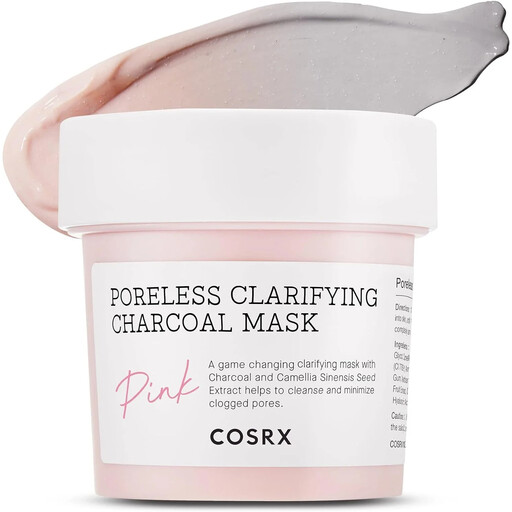
Why It Stands Out: This mask offers a unique experience by changing colour. It starts pink, turns grey upon massaging as the charcoal capsules burst, and dries white. This visual effect makes your skincare routine a little more special.
Pros:
Who Is It For? For those looking for an effective mask for blackheads with a fun twist. It's a great match for the K-beauty enthusiast who wants a quick yet thorough cleanse for blemish-prone skin.
View the COSRX No Poreblem Charcoal Mask
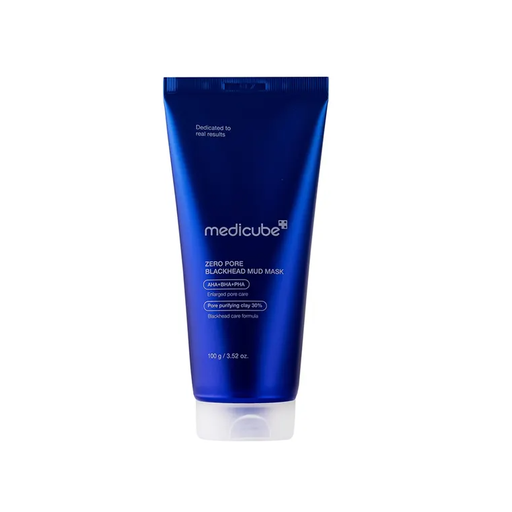
Why It Stands Out: This mask combines a clay base with a blend of three types of acids: AHA, BHA, and PHA. This combination is aimed at thorough exfoliation and purifying clogged pores.
Pros:
Who Is It For? This is a powerful option for people with very oily skin who regularly suffer from blemishes and blackheads. It's ideal if you're looking for a product that both cleanses and exfoliates to refine skin texture.
View the Medicube Zero Pore Blackhead Mud Mask

Why It Stands Out: This product combines the benefits of a clay mask with the convenience of a sheet mask. No fussing with jars and spatulas; you apply the mask in one go and remove it just as easily.
Pros:
Who Is It For? Perfect for those who love the convenience of sheet masks but don't want to miss out on the deep-cleansing action of a mud mask. A practical solution for a quick, effective treatment at home or on the go.
View the Luvum Pore Refining Mud Mask
If your ideal match isn't here or you're curious about other products, there are many more masks that can help purify your skin.
Discover our full range and find the perfect product for your skin type.
View all purifying and deep-cleansing face masks
1. Can you actually shrink pores? Your pore size is genetically determined and cannot be permanently changed. What you can do, however, is keep them clean. A mask for large pores helps remove dirt, sebum, and dead skin cells. Clean pores are less stretched and therefore appear smaller, which gives a pore-minimizing effect.
2. How often should I use a mask for large pores? For most deep-cleansing clay or charcoal masks, using them 1 to 2 times a week is recommended. Always read the instructions on the packaging, as the recommended frequency can vary by product. Most importantly, listen to your skin: if it feels tight or dry, use the mask less often.
3. What is the difference between a clay mask and a charcoal mask? Both clay and charcoal are excellent ingredients for oily and blemish-prone skin. A clay mask is particularly effective at absorbing excess sebum from the skin's surface. A charcoal mask is known for its ability to draw impurities and dirt from deeper within the pores. Many modern masks, like the options mentioned above, combine both ingredients for a dual-action effect.
