
Weekend cook with leftovers
You want to know whether the fridge will do. For mashed potato made with potatoes and semi-skimmed milk, the Netherlands Nutrition Centre recommends keeping it in the fridge for up to 2 days.


For mashed potato made with potatoes and semi-skimmed milk, you don’t automatically need a separate freezer: the Netherlands Nutrition Centre recommends keeping it in the fridge for up to 2 days. If you want to store it for longer, use a freezer that can reach −18 °C. Only buy extra freezer space if you’ll also use it for other portions or meals.
You want to know whether the fridge will do. For mashed potato made with potatoes and semi-skimmed milk, the Netherlands Nutrition Centre recommends keeping it in the fridge for up to 2 days.
You regularly prepare portions in advance and want extra freezer space without adding a large appliance. Compare the external dimensions and capacity of compact models.
You often freeze meals and want to weigh up storage space, accessibility and annual energy consumption. Milieu Centraal recommends checking the annual consumption in kWh on the energy label.
Choose this when: you’ll serve the mash within the recommended storage time and can keep it chilled.
The trade-off: you won’t need another appliance, but this isn’t the right option for longer-term storage.
Choose this when: you want to store the mash for longer and have enough room in a freezer that can reach −18 °C.
The trade-off: check the temperature. According to the Netherlands Nutrition Centre, freezer compartments with one or two stars don’t reach this temperature.
Choose this when: you regularly want to freeze extra portions but have limited space.
The trade-off: its compact design limits storage space. Check the external dimensions, capacity and annual energy consumption.
Choose this when: you regularly freeze larger quantities or meals as well as mash, and have room for a larger appliance.
The trade-off: compare capacity and kWh per year; a larger storage space also takes up more room at home.
| What to consider | What should you check? | Who is this most relevant to? |
|---|---|---|
| Storage option and temperature | Preparation time, ingredients, storage time and whether the freezer can reach −18 °C. | I want to know first whether the fridge will do and whether a freezer is suitable for longer-term storage. Around 33% of consumers prioritise the right storage option and temperature. |
| Capacity and positioning | Available floor space and door clearance, external dimensions, capacity and the size of your containers. | In a small kitchen, I want to fit in portions without choosing an appliance that won’t fit properly. Around 27% of consumers give the right size and positioning top priority. |
| Energy consumption | Compare annual consumption in kWh and capacity on the energy label. | If I add extra freezer space, I also want to take its ongoing energy use into account. Around 20% of consumers prioritise annual energy consumption. |
| Defrosting and accessibility | Check whether the exact model has NoFrost and look at its layout, such as drawers or a chest opening. | I want to find portions easily and avoid defrosting by hand more often than necessary. Around 20% of consumers prioritise maintenance and accessibility. |
Cool freshly prepared mash quickly, then place it in a well-sealed container in the fridge or freezer within 2 hours at the latest. This is a storage requirement, not in itself a reason to buy an extra freezer.
For mashed potato made with potatoes and semi-skimmed milk, the Netherlands Nutrition Centre recommends keeping it in the fridge for up to 2 days. An extra appliance won’t solve the problem if it hasn’t been cooled properly.
Work out when the mash was made and when you’ll serve it. Consider extra freezer space mainly if you’ll also need it for other portions.
An extra freezer uses electricity all the time, even when you’re not storing mash in it.
According to the Netherlands Nutrition Centre, a freezer compartment like this doesn’t reach the recommended temperature of −18 °C.
Check the temperature setting and star rating before freezing portions for longer-term storage.
The energy label shows, among other things, annual consumption in kWh and storage volume. Comparing just one of these figures means you miss the other.
Compare models with a suitable capacity and check their annual kWh consumption on the energy label.
Manufacturers distinguish between NoFrost and technologies that reduce frost build-up. Features vary by model.
Check the feature description for the exact model and choose based on how often you’re willing to defrost it by hand.
According to Inventum, the VR550 is a freestanding under-counter model with a capacity of 88 litres and three drawers.
According to Bosch, the GTV15NWEB is a freestanding under-counter model with a capacity of 83 litres.
According to Liebherr, the FNe 1404 Pure is an under-counter model with a capacity of 92 litres and NoFrost.
The BREMEN132-040BW is an under-counter freezer you can compare using its model specifications.
According to Siemens, the GU21NADE0 is an under-counter freezer designed for a suitable built-in space.
These Joybuy models offer extra freezer space, from compact under-counter models to larger freezers and a chest freezer.
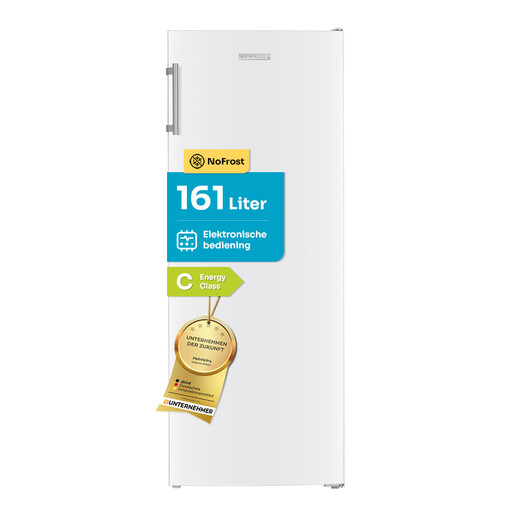 Image unavailable
The listed capacity and three freezer drawers make this a good fit if you want to store a larger stock of food as well as portions for lunch.
161 litres; No-Frost; three freezer drawers; energy class C; temperature range −14 °C to −22 °C.
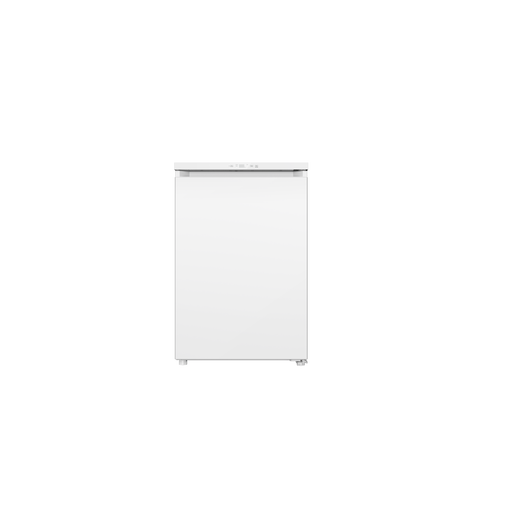 Image unavailable
An under-counter model to consider if you’re looking for extra freezer space and No-Frost is important to you.
Under-counter model; No-Frost; energy class D.
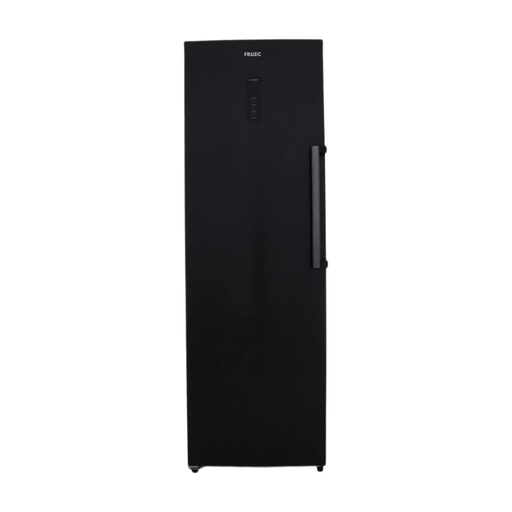 Image unavailable
The listed capacity makes this model worth comparing if you need more freezer space for more than just lunch portions.
274 litres; No-Frost; energy class C.
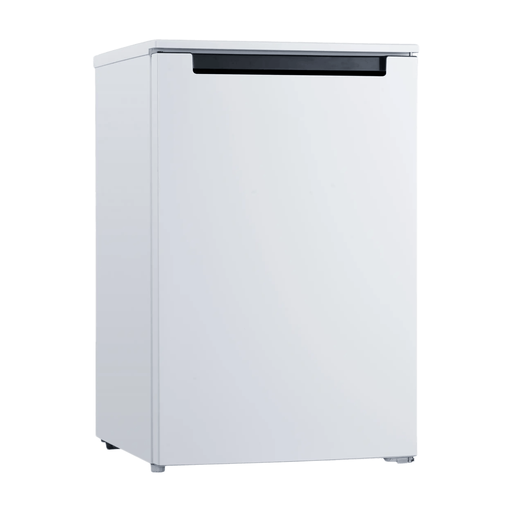 Image unavailable
An under-counter model to compare if you regularly want to freeze portions and are looking for a compact layout.
87 litres; three drawers; energy class B. If a thick layer of frost builds up, you’ll need to defrost it by hand.
 Image unavailable
The top opening and removable basket offer a different way to access your food compared with a model with drawers.
95 litres; convertible between fridge and freezer; energy class E; seven-setting thermostat; removable basket.
No. For mash made with potatoes and semi-skimmed milk, the Netherlands Nutrition Centre recommends keeping it in the fridge for up to 2 days or in the freezer for up to 3 months; its quality may deteriorate after that time. Count from when it was made, and check the relevant storage advice if the ingredients or packaging are different.
Cool the leftovers quickly and put them in a well-sealed container in the fridge or freezer within 2 hours at the latest. It’s best to freeze them in portions you’ll need later. Defrost leftovers in the fridge or microwave, then heat them thoroughly, stirring regularly, until piping hot. It’s best not to refreeze leftovers once they’ve been reheated.
Compare annual consumption in kWh alongside freezer capacity on the energy label. The European Commission says that labels for fridges and freezers provide information about energy class, energy consumption and storage volume. Calculate any running costs using your own electricity tariff.
You’re entitled to a product that works as it should, but there’s no fixed statutory guarantee period. The Dutch government explains that the retailer is your point of contact if a product doesn’t meet requirements; any additional guarantee is separate from this right.
Energy labelling rules apply to household fridges and freezers that fall under the relevant EU product category. The European Commission describes the current label as a scale from A to G; check the label for the exact model.