
Vandaag of morgen in huis

Kwaliteit gegarandeerd

Welkomstaanbiedingen ontgrendelen: GRATIS bezorging | Tot 80% korting | Gratis 30 dagen JoyPlus-proefperiode
Download de app
A good marinade or cooking sauce can transform a dish. But the shelves are packed with bottles making lofty claims. The result? Often, a pantry full of half-used jars and a dish that doesn't quite taste as you'd hoped. Before you buy another bottle that will get lost in the back of the cupboard, let's look at the most common pitfalls.
To avoid these pitfalls, it helps to know what to look for. With a few simple checks, you can make a better choice that suits your cooking style.
The ingredients list is your most important tool. Ingredients are listed in order of quantity. Is sugar, glucose syrup, or water at the top? Then the sauce likely lacks flavour depth. Look for products where the main flavour agents, like fermented soybeans, peppers, or spices, are high on the list. For example, if you want to buy gochujang, check that rice and chilli pepper form the base. With a good ketjap manis, you'd expect a significant percentage of soybeans.
Consider what you'll primarily use the sauce for.
Some Asian flavourings, like a teriyaki marinade, are versatile and can be used for all three purposes. These multi-functional sauces are a smart choice to prevent waste.
Asian cuisine boasts a wide range of flavours. A Korean sauce isn't just a Korean sauce. Bulgogi sauce is predominantly sweet and savoury (umami), perfect for grilled beef. Gochujang, a fermented chilli paste, offers a complex mix of spicy, sweet, and savoury. A traditional Chinese marinade, on the other hand, might draw its complexity from ingredients like star anise and Sichuan pepper. By understanding the flavour profile, you can choose a sauce that truly complements your dish.
To help you get started, we've highlighted a few products that suit different cooking styles and needs.
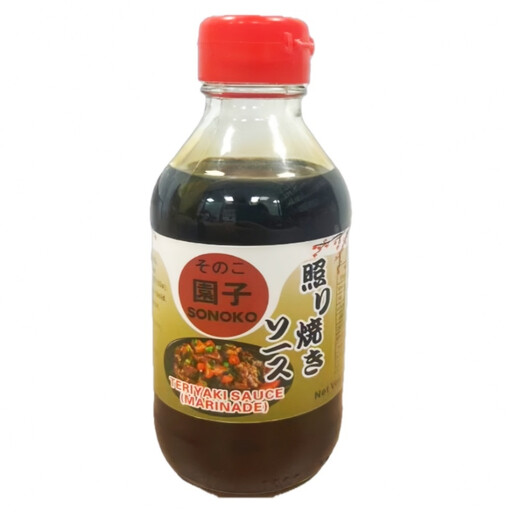
Why This Fits Their Persona: Ideal for those wanting to explore Japanese cuisine without immediately buying an entire arsenal of ingredients. This sauce is an accessible start for chicken, salmon, or vegetable dishes.
This teriyaki is versatile enough to be used as a marinade, glaze, or dipping sauce, helping you avoid the one-time-buy pitfall.
Ready-to-use and made with a naturally brewed soy sauce base, which ensures a good, savoury flavour.
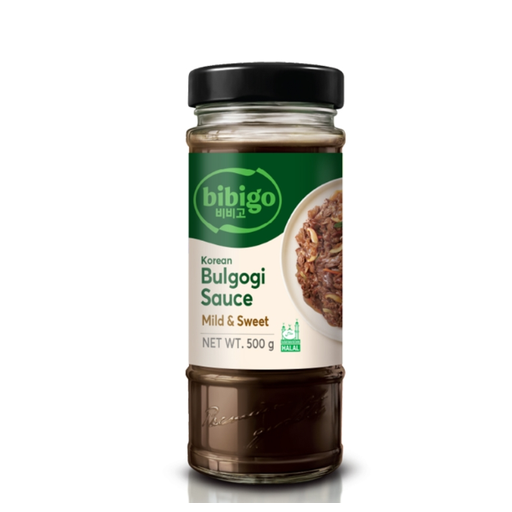
Why This Fits Their Persona: For those who want to bring the true taste of Korean BBQ home. Perfect for marinating beef (bulgogi), but also delicious with chicken or mushrooms.
This product bypasses the "authentic myth" by using traditional ingredients like Korean pear and apple purée for natural sweetness and tenderising.
A balanced, mild, and sweet flavour suitable for the whole family. The sauce is made by Bibigo, a well-known brand in Korean cuisine.
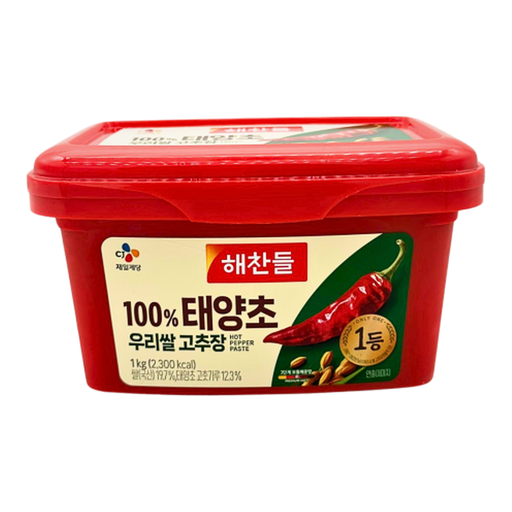
Why This Fits Their Persona: For the cook who likes to be in control. This isn't a ready-made sauce, but a base paste. Use it to create your own marinades, stews (jjigae), soups, and dressings.
Because this is a base ingredient, you control the ratios and additions. This helps you avoid overly sweet or salty results and makes the paste highly versatile.
A large 1 kg package for frequent use. The paste is made from fermented brown rice and soybeans, which provides a deep, complex umami flavour.
We have compiled a complete, up-to-date list of products that meet these selection criteria and current regulations.
How long can you store an opened bottle of marinade? Most marinades and cooking sauces can be kept for several weeks to months in the refrigerator after opening. Sauces with high salt, sugar, or vinegar content tend to last a long time. Always check the label for specific storage advice and use your senses: if it looks or smells strange, don't take the risk.
What is the difference between a marinade and a stir-fry sauce? A marinade is designed to infuse flavour into an ingredient (like meat or tofu), often over a longer period. It frequently contains an acid or enzyme to tenderise it. A stir-fry sauce is added during high-heat cooking for instant flavour and is usually thicker to coat the ingredients well.
Can I use gochujang directly, or does it need to be prepared first? Gochujang is a concentrated paste and is rarely eaten plain. It serves as the base for many other sauces and dishes. You typically mix it with other ingredients like soy sauce, sesame oil, garlic, and sugar to create a marinade, dipping sauce, or dressing. However, a small spoonful can be added directly to a stew or soup for extra depth and spice.
