When choosing a biscuit or bar for marathon training, start with when you plan to eat it, rather than its flavour or whether it says ‘protein’ on the pack. For a long, intense training session, what matters most is the carbohydrate content of each portion you take with you, and whether it’s comfortable to eat on the move. Before setting off, keep the portion small and choose something you know you can tolerate. A protein bar can make a handy snack, but it isn’t automatically a suitable source of carbohydrates while you’re running.
Who is this choice relevant for?
Runners doing long-distance training
You’re looking for something portable that you can eat during a long, intense training session. Voedingscentrum lists sports bars and gels as practical options when you exercise intensely for more than an hour. With an ordinary biscuit or bar, focus on how many carbohydrates each portion provides.
Runners who want a small bite before setting off
You want to keep the portion small and avoid trying an unfamiliar bar for the first time just before a long run. Voedingscentrum advises against large portions and foods high in fat, protein or fibre just before exercise.
Runners looking for a post-training snack
You’re looking for a biscuit or protein bar as a snack, but you distinguish that from the carbohydrates you want to take with you for a long training session. According to Voedingscentrum, most athletes don’t need special protein bars to get enough protein.
What should you look for when choosing?
First decide whether you want to eat the biscuit or bar before, during or after your run. Then compare the nutritional information per portion you’ll actually take with you, rather than looking only at the figures per 100 g.
| What to consider |
What to check when buying |
Who it matters to |
| Carbohydrates on the move |
Check the carbohydrates per bar or biscuit and work out how many portions fit into your fuelling plan. Voedingscentrum recommends 30–60 g of carbohydrates per hour during prolonged exercise. |
When I’m running for a long time at high intensity, I want to know how much each portion I take with me contributes to my carbohydrate intake. Around 36% of consumers prioritise this contribution while running. |
| Tolerance before setting off |
Check the portion size and the amount of fat, protein and fibre per portion. Also look for any warnings about polyols. |
Just before a training session, I’d rather have a small, familiar portion than an unfamiliar bar that might feel heavy. For around 29% of consumers, tolerance before running is the most important factor. |
| Carrying and portioning |
Check the weight of each item and whether the bars are individually wrapped. You may need to wrap loose biscuits yourself. |
For a solo training session, I want to be able to take a portion with me without having to keep an opened pack. Around 21% of consumers consider convenience when carrying food their top priority. |
| Protein as a snack goal |
Compare the protein and carbohydrate content per bar, and check the ingredients, allergens and any warnings about polyols. |
If I’m mainly looking for a post-run snack, I’ll focus on different nutritional values than I would for fuel on the move. Around 14% of consumers choose primarily to meet this snacking need. |
Common mistakes
-
Assuming an individually wrapped biscuit is a complete fuelling plan
The packaging doesn’t tell you how many carbohydrates each biscuit contains. According to Jumbo’s product information, one Lotus Biscoff biscuit provides 5.7 g of carbohydrates, while Voedingscentrum recommends 30–60 g per hour during prolonged exercise.
Before a long training session, add up the carbohydrates in the portions you’ll actually take with you, and practise your food and drink combination during a training run.
-
Trying a new oat or protein bar just before a long run
Voedingscentrum advises against large portions and foods high in fat, protein or fibre just before exercise. According to Voedingscentrum, large amounts of polyols can cause digestive problems. Albert Heijn also warns that its Proteïne reep witte choco cookies & cream may have a laxative effect if consumed in excess.
Try a new product, portion size and timing during an ordinary training session first.
-
Assuming you need a protein bar after running
According to Voedingscentrum, most athletes don’t need special protein bars if they get enough protein from a varied diet. What’s more, the protein content doesn’t tell you how many carbohydrates a bar provides on the move.
Choose a protein bar if it suits your snacking needs. If you want to use it during a long run, check the carbohydrates per portion separately.
-
Judging by the product name alone
A biscuit flavour doesn’t make a protein bar an ordinary biscuit, and not every pack of biscuits contains individually wrapped portions. Product information and ranges can change.
When buying, read the label for ingredients, allergens, portion size and nutritional information, and check which variant you have.
Brands to consider
Lotus Biscoff
The standard speculoos is a loose biscuit that you can portion individually, not a single bar.
- According to Jumbo, one standard 7.8 g biscuit provides 5.7 g of carbohydrates.
- For a long, intense training session, the small amount per biscuit means you’ll need to plan your portions carefully. Check the ingredients: the standard biscuit contains wheat and soya.
Albert Heijn
The range includes a protein bar with a cookies-and-cream flavour, for anyone specifically looking for a protein-focused snack.
- According to Albert Heijn, its Proteïne reep witte choco cookies & cream contains 15 g of protein per 45 g bar.
- That doesn’t automatically make it a suitable source of carbohydrates while running. Albert Heijn also warns that it may have a laxative effect if consumed in excess.
Jumbo
At Jumbo, you can compare the nutritional information for different types of biscuits and bars. The figures always apply to the specific product.
- Jumbo lists around 13 g of carbohydrates per 23.3 g Bolletje Goed Bezig! Naturel bar and 21 g per 33 g LiGA Haverkick bar.
- As well as carbohydrates, compare the portion size and ingredients, and check the current range before relying on a particular variant.
Lidl Sondey
Lidl describes Sondey as a brand offering products including biscuits, cookies and bars.
- The different product types are a good reason to check each item individually to see whether it’s a biscuit or a bar that you can take with you separately.
- When choosing something for marathon training, check the label of the specific variant: portion size, nutritional information and ingredients vary by product.
Biscuits and muesli bars on Joybuy
These biscuit and muesli bars are options to compare if you want something to take with you for a training session. Whether a portion is suitable before or during a long run depends, among other things, on the nutritional information per item and what you find comfortable to eat during training.
 Image unavailable
DPB Hershey Cookies n Crème, 24 × 90 g
If you’re considering a biscuit bar for a long training session, check the carbohydrates and how well you tolerate each bar before adding it to your fuelling plan.
The product name lists 24 bars of 90 g. Also check the packaging for the fat content, ingredients and any allergens per bar.
View on Joybuy
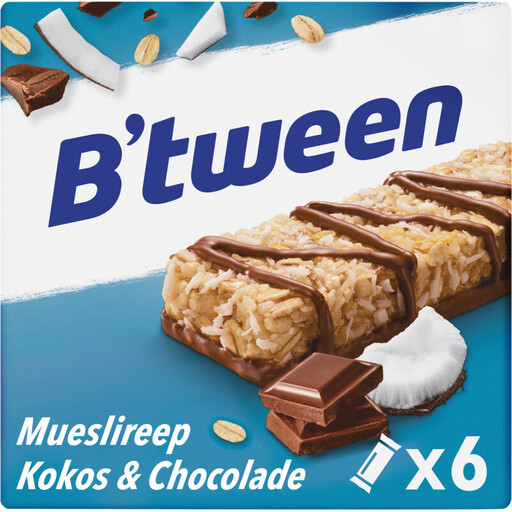 Image unavailable
Hero Coconut Muesli Bar, 6 bars
If you’re looking for a muesli bar to take with you, check whether the portion size and ingredients suit when you plan to eat it.
The product name lists six bars. Check the carbohydrates per individual bar on the packaging before counting a portion towards your fuelling plan for a long run.
View on Joybuy
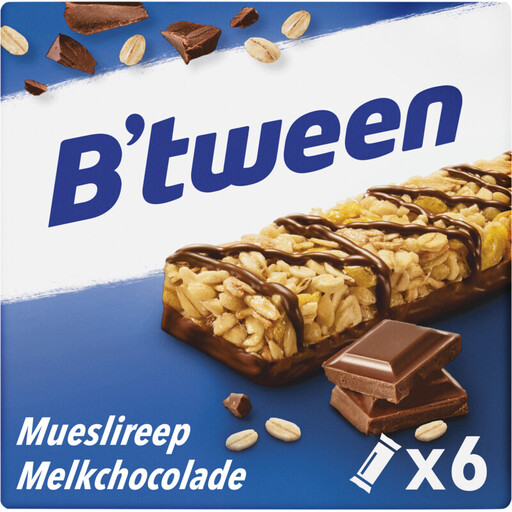 Image unavailable
Hero B'Tween Muesli Bar Milk Chocolate, 150 g
If you’re looking for a muesli bar as a snack or something to eat on the move, compare the individual portion with the amount you want to take with you.
The product name lists a 150 g pack. Check the number of bars and the carbohydrates per bar on the packaging before planning to eat them while running.
View on Joybuy
Frequently asked questions
Do I need a sports bar or gel for every marathon training session?
No. According to Voedingscentrum, sports bars and gels are generally unnecessary for training sessions lasting less than an hour. They can be a practical way to take carbohydrates with you during prolonged, intense exercise lasting more than an hour. Choose something that fits your food and drink plan, and try it during training.
Can I take an ordinary biscuit as fuel on a long run?
You can, as long as you count the carbohydrates per biscuit and find it comfortable to eat while running. According to Jumbo, a standard Lotus Biscoff biscuit contains 5.7 g of carbohydrates. Compare the number of biscuits you want to take with your plan, rather than treating one biscuit as a full portion for an hour.
Why should I avoid trying a protein bar for the first time just before setting off?
Trying an unfamiliar bar just before a long run makes it difficult to know how well you’ll tolerate the portion. Voedingscentrum advises against large portions and foods high in fat, protein or fibre just before exercise. If you’re choosing a protein bar, check the ingredients and any warnings about polyols too.
What should I look for on the label if I have a food allergy?
Check the allergen information on the specific packaging before eating the biscuit or bar. The Netherlands Food and Consumer Product Safety Authority says that allergens must be clearly listed on the labels of pre-packed foods. Don’t rely on the flavour or product name alone.


